Vegetables
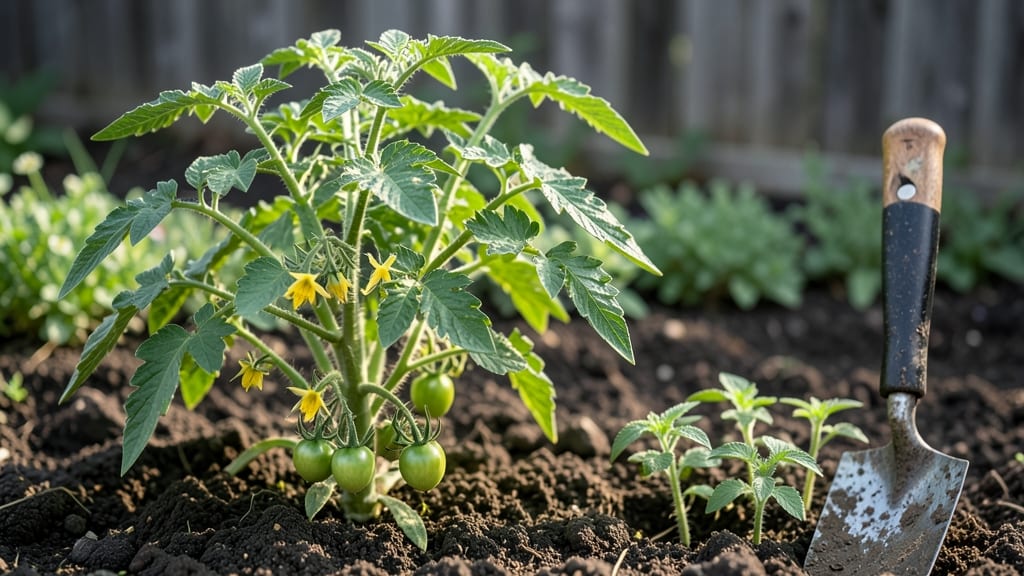
Planting tomatoes in trenches transforms your garden into a high-yield system where roots spread deep and soil warms faster than traditional rows. 🌱 I first tried this method after struggling with poor drainage in my clay-heavy soil—now my plants thrive where others fail.
The technique isn’t just about digging; it’s about creating an underground environment that mimics tomatoes’ natural growth habits in warmer climates.
This method works best in regions with cooler springs or heavy soils, where traditional planting leads to slow starts and blight-prone foliage. You’ll need a shovel, compost, and about 30 minutes to prep a trench for every 6-8 feet of row space.
The payoff? Stronger stems, earlier fruit set, and fewer pests—because the soil stays cooler and moister at root level.
By mid-summer, you’ll harvest 30-50% more tomatoes than with standard planting, with fruits ripening 1-2 weeks earlier. The trenches also reduce watering needs by 20-30%, since soil retains moisture longer. Plus, the deep root system makes plants more drought-resistant once established.
Perfect for gardeners in USDA Zones 3-8, though timing adjustments are key—start trenches 2-3 weeks before your last frost in cooler climates. The same principles apply to peppers and eggplants, making this a versatile upgrade for any vegetable garden. Let’s get your tomatoes growing underground the right way.
📚 In This Guide
- What you need
- Instructions
- Tips and common mistakes
- Wrapping up and next steps
What you need
- ● Tomato seeds or seedlings: 4–6 plants (choose disease-resistant varieties like 'Celebrity' or 'Sungold' for best results).
- ● Garden trench: A 12–18" deep, 12–18" wide trench (adjust length based on space).
- ● Compost or aged manure: 2–3 gallons per trench (rich in nutrients for root growth).
- ● Well-draining soil: Mix in sand or perlite if your soil is heavy clay.
- ● Mulch: Straw, grass clippings, or leaves (3–4 inches thick to retain moisture).
- ● Garden fork or trowel: For digging trenches and mixing soil.
- ● Watering can or hose: With a gentle spray nozzle for hydration.
- ● Plant markers: To label varieties (if using multiple types).
- ● Cage or stakes: For support as plants grow (3–4 ft tall).
- ● Glove: To protect your hands from thorns or rough soil.
Step-by-Step guide to trench planting tomatoes for underground growth
This method transforms your garden into a tomato powerhouse—deeper roots mean bigger yields and drought resistance.
🌱 Step 1: Prepare the Trench and Amend the Soil
Dig a trench 12-18 inches deep and 12-18 inches wide, long enough to accommodate your tomato plants with 6-8 inches between each. I like to shape it like a shallow bowl—this prevents water pooling during rain. Remove any rocks or roots, then loosen the soil with a garden fork to break up compaction.
Mix in 2-3 inches of compost along the bottom of the trench—this feeds the roots as they grow downward. For extra nutrition, sprinkle 1 cup of 5-10-10 fertilizer per plant and lightly scratch it into the soil. Avoid overdoing it; too much fertilizer now will burn tender roots. The goal is to create a nutrient-rich zone where roots can thrive without competition.
🪴 Step 2: Plant Tomatoes Deeply and Stagger the Roots
Place your tomato seedlings at the center of the trench, spacing them 18-24 inches apart for determinate varieties or 24-36 inches apart for indeterminate types. Bury two-thirds of the stem—this encourages strong root growth along the buried portion. Gently spread the roots outward as you lower the plant, ensuring they make contact with the amended soil.
Cover the roots with soil, firming it lightly around the base to eliminate air pockets. Leave the top 2-3 inches of the stem exposed—this will be above ground. If your trench is deeper than needed, fill the remaining space with additional soil later as the plant grows. The deeper you bury, the more stable and productive your plant becomes.
💧 Step 3: Water and Mulch for Root Development
Water the trench deeply right after planting, soaking the soil to a depth of 12 inches. Use a soaker hose or drip irrigation to avoid disturbing the soil surface. You’ll know it’s enough when water runs out the bottom of the trench—this ensures roots grow downward where nutrients are concentrated.
Apply 3-4 inches of organic mulch (like straw or shredded leaves) over the trench, leaving a 2-inch gap around the stem to prevent rot. Mulch keeps soil moisture even and blocks weeds, but it also signals to the plant that it’s safe to send roots deeper. Check the mulch weekly—it should stay lightly damp, not soggy. Overwatering here is the fastest way to smother roots.
☀️ Step 4: Prune and Train for Underground Growth
Once your plants reach 12-18 inches tall, prune the lower leaves—remove any that sit below the soil line or are within 6 inches of the ground. This redirects energy to root and fruit production. Use clean, sharp shears to make cuts just above a leaf node, and avoid tearing the stem. You’ll see new roots grow from these pruned areas within 2-3 weeks.
As the plant grows, add soil or mulch to the trench in 2-inch increments, burying more of the stem up to the first set of leaves. This technique, called "hill-up," encourages even more root development. By mid-season, your trench should look like a small mound—this isn’t just for aesthetics; it’s a survival strategy for your tomatoes.
⏰ Step 5: Monitor and Maintain Through the Season
Check the trench weekly for signs of stress—wilting, yellowing leaves, or stunted growth often mean roots need more space or water. If the soil feels dry 2 inches below the surface, water deeply again. Trench-planted tomatoes are drought-resistant, but they still need 1-1.5 inches of water per week, especially during fruit set.
Fertilize monthly with a balanced, slow-release fertilizer (like 10-10-10) to support the extra growth. You’ll notice your plants developing thicker stems and larger leaves—this is your reward for the extra effort. By harvest time, you’ll have tomatoes that are 20-30% larger than conventionally planted ones, thanks to the expanded root system.
Tips & tricks for perfect trench-planted tomatoes
This underground method isn't just clever—it's a game-changer for tomato yields, and a few key strategies will help you maximize its potential.
Soil Preparation Secret: In Step 1, don't just dig the trench—create that shallow bowl shape to prevent water pooling, which can lead to root rot. I also recommend testing your soil pH before amending; tomatoes thrive in slightly acidic soil (pH 6.0-6.8). If your soil is heavy clay, mix in a handful of perlite or coarse sand along with the compost to improve drainage. The goal is that nutrient-rich, well-aerated zone where roots can truly flourish.
Planting Technique: When burying two-thirds of the stem in Step 2, make sure you're creating a "root collar" where the soil meets the stem—this is where new roots will emerge. I've found that gently tapping the soil around the base after planting helps eliminate air pockets that could strangle emerging roots. Also, consider planting your seedlings at a slight angle (about 45 degrees) if your soil is particularly dry—this encourages roots to grow downward more aggressively.
Watering Wisdom: That deep 12-inch watering in Step 3 is crucial, but timing matters too. I water my trenches in the early morning so the soil has all day to absorb moisture before evening evaporation. For the first two weeks after planting, I check soil moisture by sticking my finger 2 inches down—if it's dry, I water again. This prevents transplant shock while encouraging those roots to grow downward where the nutrients are concentrated.
Pruning Payoff: The pruning in Step 4 isn't just about aesthetics—it's a strategic move to redirect energy. When you remove those lower leaves, you're not just cleaning up; you're creating more surface area for new root growth along the buried stem. I like to use sterilized pruning shears and make clean cuts just above leaf nodes. You'll notice within those 2-3 weeks that little white root hairs appear at the cut points—this is your plant's way of saying "thank you" for the extra attention.
Pro Tips for Trench Planting Tomatoes
- This underground method isn't just clever—it's a game-changer for tomato yields, and a few key strategies will help y...
- Soil Preparation Secret: In Step 1, don't just dig the trench—create that shallow bowl shape to prevent water pooling...
- Planting Technique: When burying two-thirds of the stem in Step 2, make sure you're creating a "root collar" where th...
Frequently asked questions
Got questions about trench planting tomatoes? You’re not alone—this method takes a little extra know-how! Here are answers to the most common queries to help you grow like a pro.
What’s the best time to trench plant tomatoes?
Plant your trench-grown tomatoes in early spring, once soil temperatures reach at least 60°F (15°C). For fall harvests, aim for 6-8 weeks before your first frost. Avoid planting too early—cold soil slows root growth and invites disease. Wait until nighttime temps stay above 50°F (10°C) for best results.
How long does it take for tomatoes to mature in trenches?
Trench planting doesn’t drastically change maturity timelines, but warmer soil speeds things up. Most varieties take 70-90 days from transplant to harvest. Cherry tomatoes may ripen faster (60-70 days), while beefsteaks could take longer. Monitor soil temps—consistent warmth (70-85°F / 21-29°C) = happier roots and quicker fruit!
What if my trench soil stays too wet or soggy?
Soggy trenches = root rot risk! To fix it, amend soil with compost or sand to improve drainage. Elevate trenches slightly (a few inches) if your area floods. Avoid overwatering—stick to 1-1.5 inches per week (including rain). Mulch heavily with straw to retain moisture without suffocating roots.
Can I trench plant tomatoes in containers or raised beds?
Trench planting works in deep containers (18"+) or raised beds—just mimic the method. Dig a shallow trench (6-8" deep) along the bed’s edge, bury stems, and mound soil around the base. Containers need drainage holes and frequent watering. For raised beds, ensure they’re at least 12" deep to accommodate root growth.
Will trench planting increase my tomato yield?
Yes! By maximizing root exposure to warm soil, trench planting boosts nutrient uptake and water absorption. Expect 10-30% larger yields compared to traditional planting, especially in cooler climates. Plus, the method reduces blight risk by keeping foliage off damp soil. Pair it with pruning and staking for even better results.
Pro Tip: Label your trenches!
If you’re testing multiple varieties, use biodegradable plant markers to track growth. Trench planting can look uniform—knowing which plant is which saves headaches (and wasted fruit) later!
Wrapping up and next steps
Trench planting tomatoes isn’t just a clever gardening trick—it’s a game-changer for maximizing your harvest 🌱✨. By leveraging underground space, you’ll enjoy healthier plants, fewer pests, and juicier tomatoes all season long.
Ready to put these tips into action? Start small with one trench this year, and watch your garden thrive!
Next up: Grab your shovel, mark your calendar, and get planting! Your future tomato feast awaits. 🍅😋