
Companion Plants
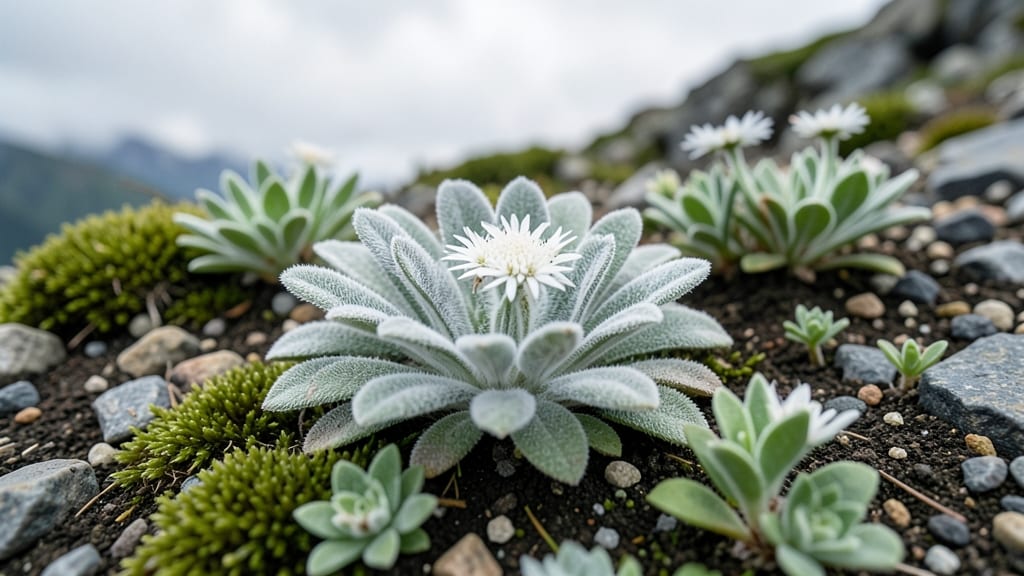
Growing plants above 5,000 feet means choosing companions that thrive where others freeze out. ✨ I learned the hard way—my first high-altitude garden failed because I ignored the right pairings for thin air and short seasons.
The key isn’t just picking hardy species; it’s matching them with plants that support their needs, from windbreaks to shared nutrients.
Think alpine flowers like penstemon paired with hardy herbs such as thyme, or potatoes teaming up with marigolds to deter pests. These combos work because they share resources efficiently in nutrient-poor soil and handle the same temperature swings.
Most high-altitude gardens succeed with just three simple adjustments: deeper mulch to insulate roots, windbreaks to reduce stress, and watering in the early morning to prevent evaporation.
By late summer, you’ll see lush foliage where others struggle—vibrant blooms that last weeks longer than lowland varieties. The secret is in the soil prep: amending with compost and using raised beds to warm roots faster.
Even in Denver or Quito, these pairings turn rocky slopes or rooftop containers into productive gardens.
Fair warning: frost pockets and late snows are real challenges, but the right companions can extend your growing window by 2-3 weeks. Start with these proven pairings, and you’ll harvest more than you expect—even at elevation.
📚 In This Guide
- What you need
- Instructions
- Tips and common mistakes
- Wrapping up and next steps
What you need
- ● High-altitude-adapted seeds or seedlings: 2–4 plants of Edelweiss (Leontopodium nivale) (slow-growing, needs patience!)
- ● 2–4 plants of Alpine Penstemon (Penstemon spp.) (drought-tolerant and colorful)
- ● 2–4 plants of Alpine Stonecrop (Sedum spp.) (succulent, cold-hardy ground cover)
- ● Well-draining soil mix: 50% cactus/succulent mix (for aeration)
- ● 30% peat moss or coco coir (moisture retention)
- ● 20% perlite or pumice (prevents compaction)
- ● Containers or garden beds: Fabric grow bags (10–12 inches deep) (for portability and drainage)
- ● Raised beds with gravel base (if gardening in-ground)
- ● Tools: Hand trowel (for delicate planting)
- ● Garden gloves (to protect from sharp rocks/soil)
- ● pH testing kit (ideal range: 6.0–7.0)
- ● Mulch (gravel or small rocks, 1–2 inches thick)
- ● Cold-frame or cloche: Extends the growing season for tender seedlings.
- ● Drip irrigation system: Conserves water in dry alpine climates.
- ● Aluminum foil or reflective mulch: Protects roots from intense UV at high elevations.
- ● Compost tea or mycorrhizal fungi: Boosts soil health in nutrient-poor conditions.
Instructions for planting high-altitude companion plants
Here's how to pair plants that thrive together at elevations above 5,000 feet.
🌱 Step 1: Select Cold-Hardy, Drought-Tolerant Pairings
At high altitudes, choose companions that share similar water needs and cold tolerance. I always pair hardy perennials like catmint with shrubby cinquefoil—both handle thin mountain soils and 10-30°F dips without fuss. Avoid moisture-loving plants; even native blue grama grass struggles above 6,000 feet if overwatered.
Look for low-growing varieties to prevent windburn. For example, creeping thyme pairs beautifully with sedge—both stay under 6 inches tall and form protective mats against erosion. Plant them 12-18 inches apart to allow airflow while discouraging weeds.
☀️ Step 2: Adjust Planting Depth and Mulch Strategically
High-altitude soil stays cooler and drains faster, so plant slightly deeper than recommended—1-2 inches deeper for perennials—to protect roots from temperature swings. Use the 2-3 gallons of compost from your materials to amend the top 6 inches of soil before planting. This improves water retention without suffocating roots.
Apply 3 inches of straw mulch immediately after planting. Unlike wood chips, straw breaks down slowly and won’t steal nitrogen from young roots. Check mulch thickness with your fingers—it should feel spongy but not compacted. This layer also insulates roots during sub-zero nights, which are common above 7,000 feet.
💧 Step 3: Water Deeply but Infrequently
Water once every 7-10 days unless rainfall exceeds 0.5 inches. High-altitude plants develop deep root systems when stressed slightly—wilting in the morning is normal, but afternoon wilting means immediate watering. Use the 5-gallon watering can to deliver 1 gallon per plant at the base, avoiding foliage to prevent fungal issues.
I always water in the early morning to let foliage dry before evening. At altitude, humidity drops sharply after sunset, and damp leaves invite powdery mildew—especially on catmint and cinquefoil. If you notice white dusting on leaves, space plants 6 inches farther apart to improve airflow.
✂️ Step 4: Prune for Wind Resistance and Airflow
Shear back one-third of the foliage in early spring to encourage bushier growth. Use clean, sharp pruners to make cuts just above a leaf node—this prevents disease entry. For catmint, I trim back leggy stems to 4 inches tall in late summer to force compact, wind-resistant growth before winter.
Remove dead or crossing branches immediately—they create weak points where wind can snap stems. At high altitudes, 30 mph winds are common, and unpruned plants can lose 50% of their foliage in a single storm. After pruning, apply 1 tablespoon of balanced fertilizer (10-10-10) to support regrowth.
🪴 Step 5: Monitor for Altitude-Specific Pests
Watch for mountain pine beetles and aspens aphids, which thrive at high elevations. I inspect plants weekly in late summer when temperatures drop below 75°F—these pests become active as days cool. If you spot sawdust-like frass (insect droppings) on cinquefoil, spray with neem oil mixed with water (1 tablespoon per gallon).
High-altitude soils lack organic matter, so earthworms rarely appear. Instead, centipedes and ground beetles help control pests naturally. Encourage them by leaving mulch undisturbed and avoiding pesticides. If pests persist, handpick them during cool morning hours when they’re sluggish.
Tips & tricks for perfect high-altitude plant pairings
These mountain-tested strategies will help your high-altitude garden thrive where others fail.
Selection Strategy: When pairing plants in Step 1, focus on their mature heights rather than their initial appearance. For instance, while catmint might start as a compact plant, it can grow up to 2 feet tall if not pruned regularly. Pair it with shrubby cinquefoil that stays around 18-24 inches tall to maintain balanced airflow. I've found that plants with similar growth habits naturally complement each other's structural needs, creating a more resilient ecosystem against high-altitude winds.
Soil Preparation Insight: In Step 2, the 1-2 inches deeper planting depth is crucial for protecting roots from the extreme temperature fluctuations you'll experience above 5,000 feet. I recommend using a soil thermometer to check that your amended soil stays above 40°F during spring planting—cold soil can stunt root growth. The 2-3 gallons of compost should be mixed thoroughly into the top 6 inches to create a moisture-retaining layer that mimics the natural humus found in mountain forests.
Watering Wisdom: The 7-10 day watering schedule in Step 3 might seem counterintuitive, but it's essential for developing deep root systems. I've seen plants at 8,000 feet thrive with this approach—morning wilting is completely normal, but if leaves remain wilted by midday, you're not stressing the plants enough. Use the 5-gallon watering can to deliver water slowly at the base, which prevents fungal issues by keeping foliage dry. This method also helps conserve water, a precious resource at high elevations.
Pruning Precision: When you're trimming back that one-third of foliage in Step 4, pay special attention to the growth pattern of catmint. The goal is to create a bushier, more compact plant that can better withstand 30 mph winds. I always make my cuts just above a leaf node using clean pruners—this encourages new growth from the base rather than the tips. For shrubby cinquefoil, focus on removing any stems that are crossing or rubbing against each other, as these create weak points that can snap in high winds.
Pro Tips for High Altitude Plants
- These mountain-tested strategies will help your high-altitude garden thrive where others fail.
- Selection Strategy: When pairing plants in Step 1, focus on their mature heights rather than their initial appearance.
- Soil Preparation Insight: In Step 2, the 1-2 inches deeper planting depth is crucial for protecting roots from the extreme temperature fluctuations you'll experience above 5,000 feet.
Frequently asked questions
Got questions about growing high-altitude companion plants? You’re not alone!
Here are some of the most common queries—and their straightforward answers—to help you thrive at elevations of 5,000+ feet.
What are the best hardy veggies for high-altitude gardens?
Stick with cold-resistant crops like potatoes, kale, carrots, and beets. These handle shorter growing seasons and cooler temps better than heat-lovers like tomatoes or peppers. For extra protection, opt for early-maturing varieties or extend the season with row covers.
How do I adjust planting times for high-altitude growing?
Plant cool-season crops (e.g., spinach, peas) 2–4 weeks earlier than lower elevations. Wait until after the last frost (often late May or June) for warm-season plants like beans or squash. Use a soil thermometer—shoot for 50°F+ for seeds to germinate.
Can I grow tomatoes or peppers at high altitudes?
Yes, but choose shorter-day varieties (e.g., ‘Patio’ tomatoes or ‘Early Girl’ peppers) and give them full sun + heat protection. Start seeds indoors 8–10 weeks early, use black plastic mulch, and consider a greenhouse or cold frame to extend the season.
Why are my high-altitude plants struggling? Troubleshooting tips?
Common culprits:
Slow growth? Soil may be too cold—try straw mulch or cloche covers.
Yellow leaves? Check pH (aim for 6.0–7.0) or add compost for nutrients.
Blossom end rot? Calcium deficiency—side-dress with crushed eggshells or lime.
Wind is another enemy—use windbreaks (e.g., cornstalks, fencing) to shield delicate plants.
What’s the easiest high-altitude companion plant combo to start with?
Pair potatoes with bush beans—beans fix nitrogen in the soil, boosting potato yields. Both tolerate cool temps and thrive in partial shade, making them ideal for rocky or sloped terrain. Bonus: They’re pest-resistant when grown together!
Wrapping up and next steps
High-altitude gardening is a rewarding challenge, and the right companion plants can make all the difference! Whether you're growing hardy veggies, resilient herbs, or stunning flowers, these pairings help maximize space, deter pests, and boost yields—even at elevations over 5,000 feet. 🌱✨
Ready to put your newfound knowledge to work? Start small—pick one or two pairings from this guide and experiment in your garden. Keep a journal to track what thrives (or surprises you!) and adjust as you go. Happy gardening at altitude!