
Plants
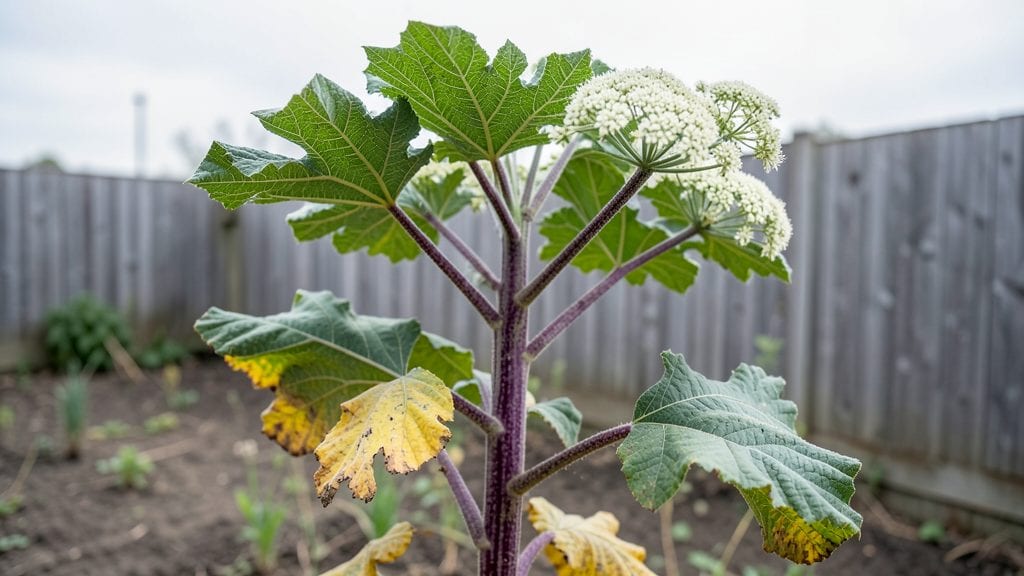
The giant hogweed plant burn happens faster than you think—exposure to its sap can cause severe blisters within minutes. I’ve seen firsthand how this invasive plant turns a simple hike into a painful ordeal, and knowing the right steps can make all the difference.
The key is acting fast before the skin reacts.
This guide covers immediate relief for burns, how to spot the plant (those purple-spotted stems are a dead giveaway), and why protective clothing isn’t optional. Most people don’t realize the sap reacts to sunlight, worsening burns—so washing with cold water and covering the area is critical.
We’ll also tackle safe removal if you’re dealing with an infestation.
You’ll learn fast-acting remedies like vinegar rinses and aloe vera to soothe burns, plus long-term precautions to avoid exposure. The goal? Stop the pain before it spreads. Let’s get you back to enjoying the outdoors safely.
Whether you’re hiking, gardening, or just curious about this plant, this advice keeps you protected. Giant hogweed doesn’t play around—neither should your first aid kit. Here’s how to handle it right.
The Hidden Danger Behind Hogweed
When you encounter Giant Hogweed (Heracleum mantegazzianum), its towering stems and delicate white flowers might look harmless—even beautiful. But beneath that innocent facade lies a phototoxic threat that can leave your skin blistered, swollen, and painfully raw.
Understanding why these burns happen is the first step to avoiding them—and knowing how to react if they do. Here’s a breakdown of the science behind this plant’s deceptive danger.
The primary reason hogweed causes burns is its phototoxic sap, which contains furocoumarins—compounds that react violently with sunlight. When this sap touches your skin, it absorbs UV radiation (even on cloudy days) and triggers a chemical reaction that damages skin cells. Here’s how it works:
- UV Activation: Furocoumarins in the sap don’t burn skin on their own. Instead, they absorb UV light (UVA and UVB rays) and become activated, turning into reactive molecules.
- Cellular Damage: These activated molecules disrupt DNA and cell membranes, leading to inflammation, blistering, and even permanent scarring in severe cases.
- Delayed Reaction: Symptoms often appear 48–72 hours after exposure, giving victims a false sense of security. By then, the damage is already done.
Pro Tip: 💡 Even indirect contact—like brushing against the plant and then touching your face—can transfer sap. The sap is odorless and colorless, so you won’t see or smell it until it’s too late.
Hogweed isn’t just any plant—it’s a biological weapon evolved to deter herbivores. Its high concentrations of furocoumarins serve as a natural defense mechanism. Here’s why this makes it so dangerous to humans:
| Feature | Why It’s Risky |
|---|---|
| Large, Sap-Rich Stems | Breaking or crushing the plant releases more sap, increasing exposure risk. |
| Delicate, Umbrella-Like Flowers | Attracts curious hands (especially kids and hikers), leading to accidental contact. |
| Grows in Moist, Sunny Areas | Thrives where UV exposure is highest, amplifying the phototoxic effect. |
| Invasive Spread | Outcompetes native plants, making it harder to avoid in wild areas. |
Key Insight: Hogweed’s aggressive growth and high sap yield make it far more dangerous than similar-looking plants like cow parsley or wild carrot.
Hogweed burns won’t develop if you’re exposed at night or in complete darkness. The reaction is light-dependent, meaning:
- UV Exposure Window: The longer your skin is exposed to sunlight after contact, the worse the burn. Even 20 minutes of UV light can trigger a reaction.
- Peak Danger Zones:
- 🌞 Midday (10 AM–4 PM): Highest UV index = worst burns.
- 🌤️ Cloudy Days: Up to 80% of UV rays penetrate clouds.
- ❄️ Cold Weather: Snow reflects UV light, increasing exposure.
- Critical First 6 Hours: Washing the sap off immediately (within 15–30 minutes) can dramatically reduce burn severity. After 6 hours, the risk of blistering rises sharply.
Warning: ⚠️ If you’re hiking or working outdoors near hogweed, cover exposed skin and wear UV-blocking clothing—even if you haven’t touched the plant yet.
Not all hogweed burns are created equal. Your skin’s natural sensitivity plays a role in how badly you’re affected:
- Fair Skin (Fitzpatrick Types I–II):
- Higher risk of severe blistering and scarring due to lower melanin protection.
- Reactions may include hyperpigmentation (dark patches) that last months.
- Dark Skin (Fitzpatrick Types IV–VI):
- May experience less visible blistering but still suffer from deep inflammation and pain.
- Higher risk of long-term discoloration in areas of exposure.
- Pre-Existing Skin Conditions:
- Eczema, psoriasis, or sunburned skin can amplify the reaction.
- Open wounds or cuts near exposure sites increase infection risk.
Actionable Tip: 🌡️ If you have sensitive skin or a history of severe sun reactions, treat hogweed exposure like a grade-A emergency—wash, cover, and seek medical help fast.
Quick Fixes for Hogweed Skin Reactions
When giant hogweed (Heracleum mantegazzianum) touches your skin, its sap triggers severe burns and blisters within minutes. But don’t panic—acting fast can ease discomfort and speed up healing. Below are practical, step-by-step solutions tailored to the cause of your reaction, plus prevention tips to avoid future encounters.
Cause: Direct skin contact with hogweed sap Fix: Wash and soothe the area ASAP.
- 🚰 Rinse with Cold Water
- Use lukewarm or cold water (not hot) to dilute the sap immediately.
- Avoid scrubbing—gently pat dry with a clean towel.
- 🧴 Apply a Steroid Cream (1% Hydrocortisone)
- Reduces inflammation and itching. Reapply every 4–6 hours.
- Pro Tip: Keep a small tube in your car or hiking pack for emergencies! 💡
- 🧊 Cool Compress for Blisters
- Soak a cloth in cold water and press it against blisters for 10–15 minutes.
- Repeat 2–3 times daily to prevent swelling.
- 💊 Take an Antihistamine (If Needed)
- Over-the-counter options like Benadryl (diphenhydramine) or Zyrtec can help with itching and allergic reactions.
Cause: Skin irritation from hogweed’s phototoxic compounds Fix: Use plant-based or household items to calm inflammation.
| Remedy | How to Use | Why It Works |
|---|---|---|
| Aloe Vera Gel | Apply a thin layer directly to the burn. Reapply 2–3 times daily. | Hydrates skin and reduces redness. |
| Oatmeal Paste | Mix colloidal oatmeal with water, apply as a paste, and rinse after 15 mins. | Neutralizes irritation and cools skin. |
| Apple Cider Vinegar (Diluted) | Mix 1 part ACV with 2 parts water; dab on affected areas. | Balances pH and fights bacterial infection. |
| Honey (Medical-Grade) | Cover the burn with a sterile bandage dipped in honey. Change daily. | Antibacterial and accelerates healing. |
⚠️ Warning: Never use lemon juice, toothpaste, or ice directly on the skin—these can worsen burns!
Cause: Severe reactions (large blisters, extreme pain, or infection signs) Fix: Seek medical help if:
- Blisters pop open or show signs of infection (pus, foul odor).
- The burn covers a large area (bigger than your palm).
- You experience dizziness, nausea, or swelling (signs of a systemic reaction).
A doctor may prescribe:
- Stronger steroids (e.g., clobetasol).
- Antibiotics if the area becomes infected.
- Photoprotection advice (hogweed burns worsen with UV exposure!).
Cause: Unintentional contact while hiking, gardening, or near waterways Fix: Stay safe with these easy habits:
- 👀 Learn to Identify Hogweed
- Height: 5–14 feet tall (taller than most people!).
- Leaves: Large, hairy, and lobed (like a carrot’s but massive).
- Stems: Purple-spotted, hollow, and thick.
- Pro Tip: Download the iNaturalist app to snap and ID plants in real time! ✨
- 👟 Wear Protective Gear
- Long sleeves, pants, and gloves when near tall, wild plants.
- Goggles if you’re near hogweed patches (sap can cause eye burns too!).
- 🚫 Avoid Touching Unknown Plants
- The "Leave It to the Bees" rule: If you don’t recognize it, don’t touch it!
- Hogweed thrives in disturbed soils (roadsides, riverbanks, forests).
- 🌧️ Wash Clothes & Gear After Exposure
- Hogweed sap can linger on fabrics—wash immediately with detergent.
- Soak hiking boots in vinegar or rubbing alcohol to neutralize sap.
- 📅 Report Hogweed Sightings
- Many regions treat hogweed as an invasive species. Report sightings to local agriculture or park departments.
Final Reminder: Hogweed burns are preventable—but if they happen, act fast with cold water and soothing agents. Stay vigilant, and enjoy the outdoors safely! 🌿🚀
Frequently asked questions
How quickly do hogweed burns appear after exposure?
Hogweed burns typically develop within 48-72 hours after contact, though some reactions may start showing as early as 12 hours. The severity depends on UV exposure after contact—even 20 minutes of sunlight can trigger a reaction. The longer you wait to wash off the sap, the worse the burn will be.
What should I do if I accidentally touch hogweed?
Act immediately: wash the affected area with cold water for at least 15-30 minutes to dilute the sap. Avoid scrubbing, then apply a cool compress and 1% hydrocortisone cream to reduce inflammation. Cover the area and stay out of direct sunlight for 48 hours to prevent worsening.
Can hogweed burns cause long-term damage?
Yes, severe hogweed burns can lead to permanent scarring or hyperpigmentation, especially if left untreated. The phototoxic sap damages skin cells, and deep blisters increase scarring risk. Always seek medical attention if burns cover a large area or show signs of infection (pus, foul odor).
How can I safely remove hogweed from my property?
Never remove hogweed by hand—wear protective gloves, long sleeves, and goggles to avoid sap contact. Cut stems at the base with long-handled tools, then dispose of the plant in sealed bags. For large infestations, contact local agricultural extension services—they may recommend licensed herbicides or professional removal.
Will sunscreen prevent hogweed burns?
No, sunscreen won’t protect you from hogweed burns because the reaction occurs when the sap absorbs UV light after contact. The only prevention is avoiding exposure entirely—wear full-body protective clothing and avoid touching unknown tall plants. If you suspect contact, wash immediately regardless of sunscreen use.