
Plants
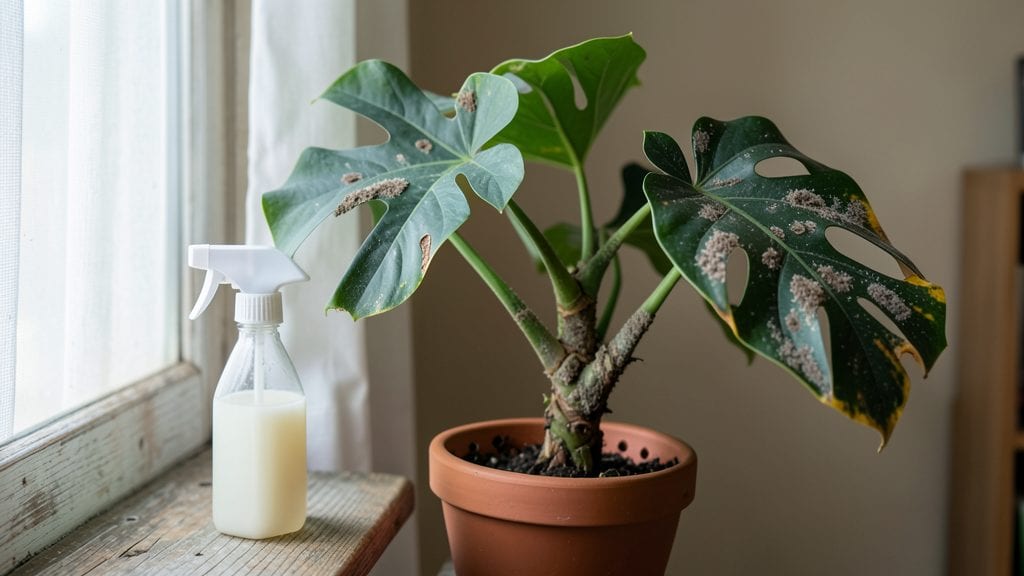
House plant fungus can turn your lush green friends into sad, browned messes in weeks. 🌿 I’ve lost count of the plants I’ve nursed back from fungal infections—powdery mildew, root rot, leaf spots—using a simple neem oil treatment that works faster than store-bought fungicides.
The key is catching it early, before the fungus spreads like wildfire.
Most fungal problems start with too much moisture, poor airflow, or overwatering. That fern you love? It’s probably begging for better drainage. Neem oil disrupts fungal growth naturally, without harsh chemicals, and it’s safe for pets and kids once it dries.
You’ll need just a few drops mixed with water, a spray bottle, and a little patience—no fancy equipment required.
Within a week, you’ll see new growth pushing through, and the brown spots will fade. The real magic happens when you combine this treatment with better airflow and adjusted watering. Your plants won’t just survive—they’ll thrive, with glossy leaves and vibrant color that’ll make your neighbors jealous.
This method works for powdery mildew on snake plants, root rot in overwatered pothos, and even black spots on your prized ferns. The best part? Once you master it, you’ll catch fungal issues before they become disasters. Let’s get those plants back to their best.
Root Causes Of Plant Fungus
Fungal infections in houseplants aren’t random—they thrive when specific conditions align. Understanding these triggers helps you prevent outbreaks and act fast when they appear. Below, we break down the most common causes, backed by science, so you can protect your green friends before they’re overrun.
Fungi love moisture, and overwatering creates the perfect damp, oxygen-deprived environment for spores to germinate. When soil stays soggy for days, root rot (often caused by Phytophthora or Pythium) and foliar fungi (like powdery mildew or downy mildew) take hold.
- Why it happens: Excess water displaces oxygen in the soil, weakening roots and inviting fungal pathogens. Poor drainage traps moisture, while dense, compacted soil prevents excess water from escaping.
- Actionable fix:
- Check soil moisture by sticking your finger 1–2 inches deep—water only when the top layer feels dry.
- Use pots with drainage holes and a well-draining soil mix (add perlite or orchid bark to improve aeration).
- Empty saucers after watering to prevent roots from sitting in standing water.
While most plants thrive in humidity, excessive moisture in the air without airflow creates a fungal paradise. Botrytis cinerea (gray mold) and Alternaria (leaf spot) flourish in these conditions, especially in bathrooms, kitchens, or greenhouses.
- Why it happens: High humidity (above 60%) slows evaporation, keeping leaves damp longer. Stagnant air prevents spores from dispersing, allowing them to land and infect plants.
- Actionable fix:
- Use a hygrometer to monitor humidity—aim for 40–60% for most houseplants.
- Improve airflow with a small fan (set to low) or open windows occasionally.
- Avoid misting leaves in the evening; opt for bottom-watering or a humidifier with a timer.
Fungal spores are everywhere—old soil, garden tools, or even repurposed pots can harbor dormant pathogens. If you reuse containers or soil without sterilizing them, you’re essentially planting a fungal time bomb.
- Why it happens: Spores from previous infections (even from outdoor plants) survive in organic matter. Tools like pruners or trowels can transfer fungi between plants if not cleaned.
- Actionable fix:
- Sterilize soil by baking it at 180°F (82°C) for 30 minutes or using hydrogen peroxide (3% solution, 1 part to 10 parts water).
- Wash pots with hot, soapy water and rinse thoroughly. For plastic pots, soak in a bleach solution (1 part bleach to 9 parts water) for 10 minutes.
- Disinfect tools with rubbing alcohol or a 10% bleach solution between uses.
Stressed plants are like open doors for fungi. Wounds from pruning, pests, or even rough handling provide entry points for pathogens like Fusarium or Verticillium.
- Why it happens: Damaged tissue loses its protective barrier, and stressed plants (from overcrowding, nutrient deficiencies, or sudden temperature changes) have weakened defenses.
- Actionable fix:
- Use sharp, sterilized scissors for pruning and make clean cuts at a 45-degree angle.
- Isolate newly damaged plants until they heal to prevent cross-contamination.
- Reduce stress by avoiding sudden changes in light, temperature, or watering routines.
Some pests don’t just damage leaves—they invite fungi. Sap-sucking insects like aphids or spider mites excrete honeydew, a sticky substance that attracts sooty mold (Capnodium). Meanwhile, chewing pests like slugs or caterpillars create wounds that fungi exploit.
- Why it happens: Honeydew feeds mold spores, while physical damage disrupts the plant’s protective cuticle. Pests also spread fungal spores on their bodies as they move between plants.
- Actionable fix:
- Inspect plants regularly for pests, especially on undersides of leaves.
- Blast off pests with water or use neem oil (a natural fungicide and insect repellent).
- Introduce beneficial insects like ladybugs or lacewings to control pest populations naturally.
Now that you know the culprits, the next step is acting fast with targeted treatments. But prevention starts with breaking the cycle—adjust watering, airflow, and hygiene today to keep your plants fungus-free! 🌿✨
Fixing Fungal Foes in Houseplants
Fungal infections in houseplants can feel like a silent war—until your once-lush leaves start yellowing, wilting, or developing unsightly spots. But don’t panic! With the right approach, you can reverse the damage, save your plants, and prevent future outbreaks.
Below, we break down the most common causes of houseplant fungus and practical, step-by-step fixes tailored to each issue. Plus, we’ll share prevention tips to keep your green babies thriving long-term.
Cause: Too much moisture (especially in poorly draining soil) creates the perfect breeding ground for Phytophthora or Pythium fungi, leading to mushy stems and black, decaying roots.
How to Fix It 1. 🔥 Emergency Rescue: Trim the Damage
- Gently remove the plant from its pot and rinse the roots with room-temperature water to dislodge soil.
- Use sterilized scissors (wipe with rubbing alcohol) to snip off all black, mushy roots.
Healthy roots are firm and white or tan. - Let the roots air-dry for 1–2 hours before replanting.
- 🍳 Repot in Fresh, Draining Soil
- Choose a clean pot with drainage holes (terracotta is ideal).
- Use a fungicide-treated potting mix (or amend regular mix with perlite/sand for better aeration).
- Optional: Add a thin layer of hydrogen peroxide (3%) to the bottom of the pot before adding soil to kill lingering spores.
- 👨🍳 Adjust Your Watering Habits - Water only when the top 1–2 inches of soil are dry.
Stick your finger in the soil—if it’s damp, wait! - Bottom-water your plants (place the pot in a tray of water for 10–15 minutes, then drain) to encourage roots to grow downward and reduce surface moisture. - Avoid wetting leaves when watering to prevent fungal spores from splashing onto foliage.
💡 Prevention Tips
- Upgrade your pots: Glazed pots trap moisture—opt for unglazed terracotta.
- Use moisture meters: These gadgets take the guesswork out of watering.
- Mulch with perlite or orchid bark: Adds airflow to the soil surface.
Cause: Fungal spores (like Alternaria or Cercospora) thrive in humid, poorly ventilated spaces, often spreading when leaves stay wet (from overhead watering or high humidity).
How to Fix It
- 🔪 Prune the Infected Leaves
- Snip off spotted or yellowing leaves with sterilized scissors. Do not compost them—toss in the trash to avoid spreading spores.
- For severe cases, remove up to 1/3 of the plant to improve airflow.
- 🌡️ Treat with Neem Oil (The Plant Doctor)
- Mix 1 tsp neem oil + 1 tsp mild soap + 1 quart water in a spray bottle.
- Spray both sides of leaves (including undersides where spores hide) every 7–10 days for 3–4 weeks.
- Pro tip: Apply in the early morning or late evening to avoid leaf burn from sunlight.
- ✨ Boost Air Circulation
- Space plants 2–3 inches apart to improve airflow.
- Use a small fan (on low) near plants to mimic natural breezes.
- Wipe leaves with a damp cloth weekly to remove dust and spores.
💡 Prevention Tips
- Water at the base: Never use overhead sprinklers or mist leaves.
- Dehumidify: Keep humidity below 60% (use a hygrometer to monitor).
- Quarantine new plants: Isolate them for 2–4 weeks before introducing to your collection.
Cause: This fungal infection (often Erysiphe or Sphaerotheca) loves high humidity + low light, creating a white, powdery film on leaves that weakens the plant.
How to Fix It
- 🧼 Cleanse with Baking Soda Solution
- Mix 1 tsp baking soda + 1 quart water + a few drops of soap.
- Spray directly on infected areas (focus on undersides of leaves).
- Repeat every 5–7 days until the powdery film disappears.
- 🌿 Apply Horticultural Oil or Neem Oil
- Neem oil (as above) or horticultural oil (like JMS Strobe) smothers fungal spores.
- Spray in the evening and avoid direct sunlight for 24 hours.
- 🌞 Increase Light & Reduce Humidity
- Move the plant to a sunnier spot (but avoid direct scorching sun).
- Space plants apart and avoid grouping them too closely.
- Use a dehumidifier or open windows to improve airflow.
💡 Prevention Tips
- Rotate plants weekly to ensure even light exposure.
- Wipe leaves with a vinegar-water mix (1:4 ratio) monthly to deter spores.
- Avoid overhead watering—use a watering can with a narrow spout.
Cause: Fungi like Fusarium or Rhizoctonia enter through wounded stems (from pruning or pests) and cause dark, soft lesions that girdle the plant.
How to Fix It
- 🔪 Surgical Strike: Remove Infected Stems
- Cut off rotten stems below the lesion (at least ½ inch of healthy tissue).
- Dip pruners in hydrogen peroxide (3%) between cuts to sterilize.
- 🧴 Apply Fungicidal Paste
- Mix 1 part cinnamon powder + 1 part neem oil to form a paste.
- Gently rub onto cut stems to seal wounds and prevent further infection.
- 🌱 Repot in Sterile Soil
- Use fresh, sterile potting mix (or bake old soil in the oven at 200°F for 30 minutes to kill spores).
- Water lightly for the first week to avoid stressing the plant.
💡 Prevention Tips
- Avoid over-fertilizing: Too much nitrogen weakens stems.
- Disinfect tools after every cut with rubbing alcohol.
- Space plants to reduce humidity around stems.
No matter the fungus, these habits will fortify your plants’ defenses: ✅ Inspect weekly: Catch early signs (yellowing, spots, mold) before they spread. ✅ Rotate plants: Ensures even light exposure and prevents one-sided growth. ✅ Sterilize tools: Wipe scissors, pots, and trays with rubbing alcohol between uses. ✅ Quarantine new plants: Keep them separate for 4 weeks to monitor for pests/fungus. ✅ Use neem oil monthly: Even healthy plants benefit from preventative sprays.
Final Thought: Fungal infections are manageable—not inevitable! With these targeted fixes and a little vigilance, your houseplants will bounce back stronger than ever. 🌿✨ Which fungus is plaguing your plants? Drop a comment below for personalized tips!
Frequently asked questions about houseplant fungal issues
How do I tell if my plant has fungus instead of a pest problem?
Fungal infections usually show as powdery white coatings (like on powdery mildew), black or brown spots with yellow halos, or mushy stems/roots. Unlike pests, fungi don’t leave visible holes, webbing, or sticky residue. Check the undersides of leaves—fungus often starts there.
Can I save a plant with root rot caused by fungus?
Yes, but act fast! Remove the plant, trim all black/mushy roots, and repot in sterile, well-draining soil. Use a hydrogen peroxide (3%) rinse for roots before replanting. Keep the soil dry for 2 weeks to prevent reinfection. Some plants recover fully, while others may need time to regrow.
Why does neem oil work better than store-bought fungicides?
Neem oil contains azadirachtin, a natural compound that disrupts fungal spores’ life cycles while being pet-safe once dry. Unlike chemical fungicides, it doesn’t harm beneficial soil microbes or leave toxic residues. Plus, it’s multi-purpose—repels pests too! Apply every 7–10 days for best results.
Is it safe to compost leaves with fungal spots?
No! Fungal spores can survive composting and reinfect your garden. Toss infected leaves in the trash (sealed in a bag) to prevent spreading. For severe cases, double-bag and disinfect your compost bin with a 10% bleach solution afterward. Better safe than sorry!
How can I prevent fungus in my terrarium or closed container?
Terrariums need careful balance: Use 1–2 inches of gravel at the bottom for drainage, limit moisture-loving plants, and avoid overwatering. Open the lid daily for 10–15 minutes to improve airflow. If fungus appears, remove the plant, sterilize the container with rubbing alcohol, and repot with fresh, dry soil.