Container Gardens
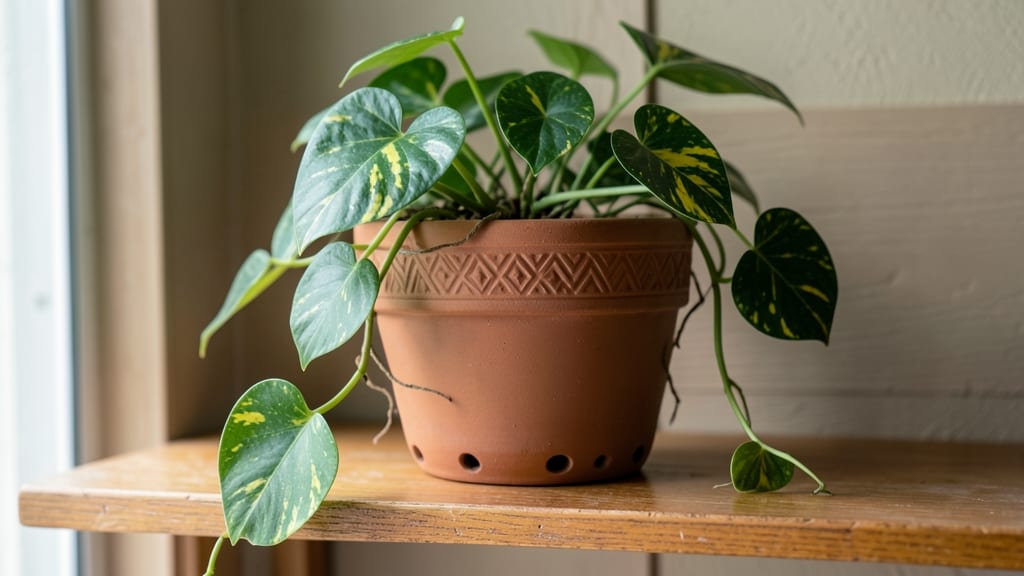
Your houseplants deserve containers that do double duty—stylish and functional. 🌿 I’ve turned thrifted ceramic bowls, woven baskets, and even repurposed teacups into lush green homes for my ferns and succulents, and the best part? They fit seamlessly in any corner of my apartment without sacrificing beauty or care.
The secret lies in matching the container to the plant’s needs—terracotta for moisture-wicking cacti, fabric-lined pots for humidity-loving ferns, and shallow dishes for trailing pothos. Size matters too: roots need room to breathe, but too much space means soggy soil.
I’ve learned the hard way that a 6-inch pot for a snake plant is asking for trouble—it thrives in snug spaces.
By the end, your setup will be a curated display and a thriving ecosystem. Picture glossy leaves cascading over a vintage tray or a geometric terracotta pot cradling a variegated monstera—each container tells a story while keeping your plants happy.
The best part? You’ll never again feel limited by small spaces.
Whether you’re working with a sun-drenched windowsill or a dim corner, these container ideas adapt to any home. Let’s turn your green babies into the stars of your space—without sacrificing their health or your style.
Poor Drainage And Root Stress
When your houseplants struggle in their containers, it’s often because their roots aren’t getting the right conditions to thrive. Let’s break down the key reasons why plants act up in their pots—and how their containers might be the silent culprit.
If your plant’s container lacks drainage holes, excess water pools at the bottom instead of draining away. Over time, this creates a soggy, oxygen-deprived environment that suffocates roots.
- Why it happens: Roots need oxygen to breathe, just like you do. Without drainage, water fills the soil pores, blocking airflow and leading to anaerobic conditions—a root’s worst nightmare.
- Science behind it: Plant roots rely on capillary action and diffusion to absorb water and oxygen. When soil stays waterlogged, harmful bacteria (like Pythium) thrive, causing root rot.
- Actionable fix: Always use containers with drainage holes, or add a layer of perlite or gravel at the bottom to mimic natural drainage.
Plants are living things—they grow! When roots fill a container completely, they become root-bound, circling the pot in search of nutrients and space.
- Why it happens: Roots grow toward moisture and nutrients. In small or tightly packed soil, they twist and compact, restricting water and nutrient flow.
- Science behind it: Root cells in crowded conditions produce ethylene gas, a stress hormone that signals the plant to slow growth or even drop leaves.
- Actionable fix: Repot every 1-2 years (or when roots emerge from drainage holes) into a container 1-2 inches larger in diameter.
Not all containers are created equal. Some materials (like plastic or ceramic) retain heat, while others (like terracotta) dry out too fast. Extreme temps stress roots.
- Why it happens:
- Plastic pots: Trap heat, raising soil temps and accelerating water evaporation.
- Ceramic/glazed pots: Can’t breathe—moisture gets trapped, leading to mold or rot.
- Metal containers: Conduct heat/coolth poorly, shocking roots in temperature swings.
- Science behind it: Roots are sensitive to soil temperature fluctuations. Ideal range? 60–75°F (15–24°C). Outside that, root activity slows, and nutrient uptake drops.
- Actionable fix: Choose terracotta for breathability (but water more often) or fabric grow bags for airflow. Avoid leaving pots in direct sunlight or drafty spots.
Stagnant, humid conditions in containers create the perfect breeding ground for pathogens that attack roots.
- Why it happens: Poor airflow, overwatering, and organic debris (like old leaves) feed fungi like Fusarium or bacteria like Erwinia.
- Science behind it: Fungi release cellulase enzymes that break down root cell walls, while bacteria clog xylem vessels, blocking water transport.
- Actionable fix:
- Sterilize containers with a 10% bleach solution before reuse.
- Use well-draining soil mixes with mycorrhizal fungi (beneficial root partners).
- Avoid wetting foliage when watering to reduce humidity.
Pro tip: 💡 If your plant’s leaves yellow or wilt despite watering, check the roots—they’re often screaming for help before the leaves do!
Fix Common Container Plant Problems
Even the best house plant containers can face challenges—whether it’s root-bound plants, drainage struggles, or pests infiltrating your greens. But don’t worry! With the right fixes and a little preventive care, your plants will thrive in their stylish new homes.
Below, we’ll tackle the most common issues and show you how to turn them around—fast.
Signs: Roots circling the bottom, slow growth, or soil drying out too quickly. Fix: 🔥 Repot with Care – Gently remove the plant, loosen tangled roots, and trim any circling roots with clean scissors. 🍳 Upgrade the Pot – Choose a container 1-2 inches wider (not drastically bigger) to avoid overwatering. 👨🍳 Refresh the Soil – Mix in fresh potting soil with perlite or orchid bark for better aeration.
💡 Prevention Tip: Repot every 1-2 years (or when roots peek out of drainage holes) to keep growth steady.
Signs: Yellowing leaves, moldy soil, or water pooling at the bottom. Fix: 🔪 Add Drainage Holes – If your container lacks them, drill small holes (¼ inch) in the base. ⏰ Use a Cache Pot – Place a decorative outer pot over a functional inner one with drainage. 🌡️ Choose the Right Soil – Opt for well-draining mixes (like cactus or succulent soil) if your plant needs it.
💡 Prevention Tip: Always check for drainage before planting—no exceptions!
Signs: Sticky leaves, webs, or tiny bugs crawling on stems. Fix: 🌿 Isolate & Inspect – Move the plant away from others and check for spider mites, aphids, or mealybugs. 🚿 Wipe Down Leaves – Use a damp cloth or mild soapy water to remove pests. ✨ Natural Remedies – Spray with neem oil or insecticidal soap (follow label instructions).
💡 Prevention Tip: Quarantine new plants for 2 weeks and avoid overwatering (pests love damp soil).
Signs: Drooping, discolored, or crispy leaves. Fix: 📊 Check Watering Habits – Most houseplants prefer slightly dry soil over soggy roots. 💪 Adjust Light Exposure – Move to bright, indirect light (avoid harsh sunburn). 🍎 Fertilize Lightly – Over-fertilizing burns roots; use a balanced liquid fertilizer every 4-6 weeks.
💡 Prevention Tip: Group plants with similar care needs together for consistency.
With these fixes, your house plants will not only survive but thrive in their containers. Remember: prevention is key—regular checks and proper care keep problems at bay. Now go give your greens the love they deserve! 🌿✨
Frequently asked questions
What’s the best material for house plant containers?
It depends on your plant’s needs! Terracotta is great for succulents (breathable, wicks moisture), while plastic retains humidity for tropical plants like ferns. For decorative styles, ceramic or woven baskets work beautifully—just ensure they have drainage or use inner pots. Fabric grow bags are ideal for root-bound plants needing airflow.
How do I choose the right size container for my plant?
Start with a pot just 1-2 inches wider than the root ball. Too much space causes soggy soil, while too little restricts growth. For example, a 6-inch pot suits a small snake plant, but a trailing pothos needs a wider, shallower container to spread its vines. Always check drainage holes first!
Can I reuse old containers for houseplants?
Yes, but sterilize them first! Scrub with soapy water, rinse well, and soak in a 10% bleach solution for 10 minutes to kill bacteria or fungi. Avoid containers that held toxic plants (like dieffenbachia) unless thoroughly cleaned. For decorative reuse, pair with inner pots to ensure drainage.
What’s the best way to style containers for small spaces?
Opt for stackable or hanging containers to save space! Use tiered shelves for vertical displays, or group plants in a single large tray with saucers to catch spills. Mix textures (e.g., matte ceramic + woven baskets) and colors for visual interest. Trailing plants like pothos or string of pearls add movement without taking up floor space.