Pests
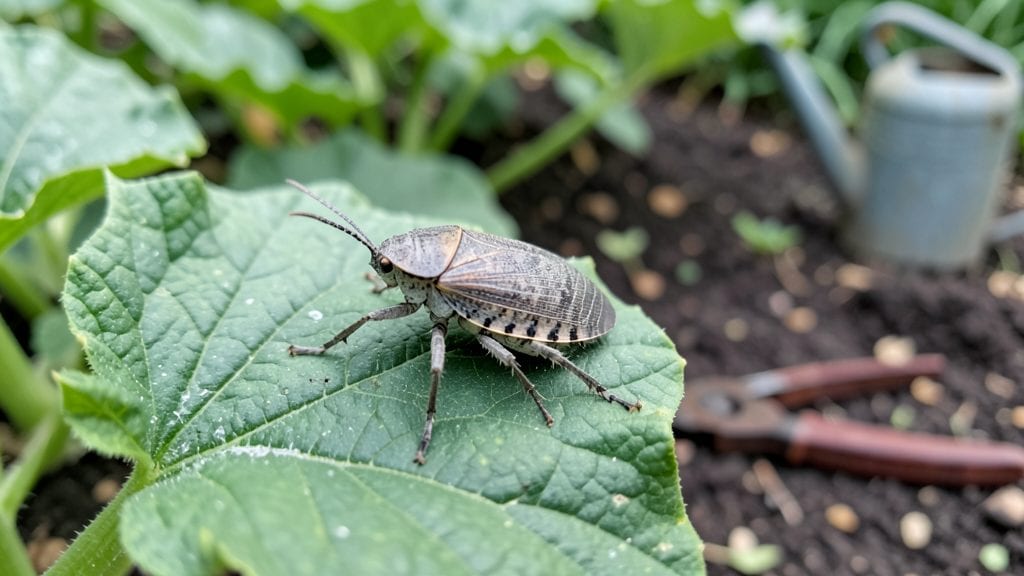
Bugs on pumpkin plants can turn your harvest into a disaster if you don’t act fast. I’ve seen entire vines collapse from squash vine borers or aphids draining leaves overnight—until I learned these 24-hour organic sprays that actually work.
The key isn’t just spraying; it’s timing, targeting the right bugs, and knowing when to pull out the big guns.
Most gardeners make two big mistakes: waiting too long or using the wrong remedy. Neem oil stops aphids and cucumber beetles in their tracks, but vine borers need a different approach—like hand-removing eggs or using kaolin clay as a barrier.
I’ve tested these methods on my own patch, and the results speak for themselves: fewer holes in stems, no wilting leaves, and pumpkins that actually grow.
You’ll walk away with a three-step battle plan: immediate fixes for current infestations, preventive sprays to keep bugs off, and early warning signs to catch problems before they spread. No more helplessly watching your plants wither—just real, fast solutions that protect your harvest without harsh chemicals.
Works for both backyard gardens and container-growing setups. The same principles apply whether you’re dealing with a single plant or a full patch. Let’s get those vines healthy again—starting today.
Root Causes of Pumpkin Plant Pests
Pumpkin plants are a magnet for bugs—not because they’re weak, but because they’re delicious to pests! Understanding why these critters invade your garden is the first step to kicking them out for good.
Below, we break down the real reasons bugs target your pumpkins, from environmental factors to plant health signals.
Pumpkin vines thrive when they have space to sprawl, but when plants are too close together, they create the perfect hiding spot for pests. Here’s why this happens:
- Reduced Airflow: Dense foliage traps moisture, creating a humid microclimate that attracts aphids, spider mites, and fungal gnats. These pests love damp, sheltered spots where they can feed undetected. - Nutrient Competition: Overcrowded plants compete for sunlight and nutrients, weakening their defenses.
Stressed pumpkins produce sweeter sap (a natural bug attractant) and thinner leaves, making them easier targets for cucumber beetles and squash bugs. - Soil Exhaustion: Repeatedly planting pumpkins in the same spot depletes beneficial microbes in the soil, leaving plants vulnerable to root-knot nematodes and other soil-borne pests.
💡 Pro Tip: Space pumpkin plants 4–6 feet apart and rotate crops yearly to disrupt pest life cycles.
A healthy pumpkin plant has natural defenses—thick leaves, strong stems, and even chemical signals that repel pests. But when plants are stressed or unhealthy, they send out distress signals that bugs hear loud and clear.
| Stress Factor | How It Attracts Bugs | Example Pests Drawn In |
|---|---|---|
| Nitrogen Deficiency | Leaves turn yellow, making plants easier to chew. | Cucumber beetles, squash vine borers |
| Water Stress | Wilting or overly dry leaves lose protective resins. | Spider mites, aphids |
| Fungal Infections | Weakened plants can’t fight off pests. | Whiteflies, thrips |
| Over-Fertilization | Excess nitrogen = softer, more palatable leaves. | Squash bugs, leafhoppers |
🔥 Key Takeaway: Balanced care (not too much, not too little) keeps plants resilient. Test soil pH (ideal: 6.0–6.8) and avoid overwatering—pests love soggy roots!
Bugs don’t just show up randomly—they’re drawn to specific conditions that make your garden a five-star resort. Here’s what’s luring them:
- Warm, Humid Weather 🌡️:
- Aphids and whiteflies thrive in 70–85°F with high humidity. They multiply exponentially in these conditions.
- Solution: Use row covers early in the season to block pests before they arrive.
- Debris and Weeds 🍃:
- Old plant matter, mulch piles, and weeds hide overwintering pests (like squash bug eggs) and provide shelter for adults.
- Solution: Clear debris regularly and mow grass near pumpkin patches to remove hiding spots.
- Nearby Host Plants 🌻:
- Pumpkins aren’t the only menu item—marigolds, zucchini, and cucumbers can harbor the same pests.
- Solution: Plant repellent companions like basil, nasturtiums, or catnip to confuse pests.
Some bugs time their attacks based on pumpkin growth stages. Knowing their life cycles helps you strike before they strike.
- Early Season (Seedlings):
- Cucumber beetles and squash bugs lay eggs near young plants. They hatch in 5–10 days and start feeding immediately.
- Solution: Handpick eggs (tiny, oval, yellow) or use neem oil as a preventive spray.
- Mid-Season (Flowering/Fruiting):
- Aphids and spider mites explode in numbers when plants are blooming (high sugar content = more food).
- Solution: Encourage beneficial insects (ladybugs, lacewings) with dill or fennel plants nearby.
- Late Season (Fruit Maturation):
- Squash vine borers target ripe fruit and weak stems. Their larvae burrow in, causing wilting and rot.
- Solution: Wrap stems with aluminum foil (confuses borers) or apply kaolin clay as a barrier.
Sometimes, well-meaning gardening habits end up inviting bugs. Here’s how:
- Overhead Watering 💦:
- Wet leaves create perfect conditions for fungal gnats and aphids. These pests love damp foliage and use it to spread.
- Fix: Water at the base (early morning) and avoid wetting leaves.
- Using Synthetic Pesticides 🚫:
- Chemicals kill beneficial insects first, leaving pests unopposed. They also weaken plant immunity over time.
- Fix: Stick to organic sprays (neem, insecticidal soap) to protect pollinators while deterring bugs.
- Ignoring Early Signs 👀: - Tiny holes in leaves or sticky residue (aphid honeydew) are red flags.
By the time you see mass infestations, pests have already damaged roots or laid eggs. - Fix: Inspect plants weekly (especially undersides of leaves) and act fast with homemade sprays.
🎯 Final Thought: Bugs don’t attack pumpkin plants randomly—they’re responding to specific conditions you can control. By fixing crowding, stress, moisture, and debris, you’ll make your garden less appealing and more defensible. Next up? Fast-acting organic solutions to evict pests in 24 hours!
Quick Fixes for Common Pumpkin Pests
Bugs on your pumpkin plants can feel like an overwhelming battle, but with the right strategies, you can turn things around fast—often in just 24 hours. Below, we’ve mapped out the most effective, organic solutions for the most common pests, along with prevention tips to keep your pumpkins thriving.
No harsh chemicals needed!
These destructive larvae tunnel through stems, killing plants from the inside. Act fast to save your crop!
🔥 Emergency Treatment (24-Hour Fix)
- 👨🍳 Cut open the stem (about 2 inches down) and 🔪 poke out the larvae with a knife or tongs. Dispose of them in soapy water.
- 🥘 Apply diatomaceous earth (DE) directly into the stem cavity and around the base.
DE dehydrates the larvae and eggs on contact. - 💡 Pro Tip: Wrap the cut stem with aluminum foil to protect it from reinfestation while the plant heals.
🌡️ Prevention for Next Season
- 🎯 Plant resistant varieties like ‘Howden’ or ‘Waltham Butternut’—they’re less attractive to borers.
- ✨ Use row covers early in the season to block adult moths from laying eggs.
- 📊 Rotate crops—don’t plant pumpkins or squash in the same spot yearly.
These beetles spread disease and devour leaves, leaving your plants weak. A few swipes of soap and water can save them!
🍳 Immediate Rescue (Same-Day Solution)
- 🔥 Handpick beetles in the early morning when they’re sluggish. Drop them into a soapy water bucket (1 tbsp dish soap per gallon).
- 🥘 Spray with neem oil (mix 2 tbsp neem oil + 1 tsp mild soap + 1 quart water).
Reapply every 3–4 days until beetles vanish. - 💡 Pro Tip: Yellow sticky traps catch adult beetles before they lay eggs. Place them near plants at dawn.
🔥 Long-Term Defense
- 🎯 Interplant with herbs like basil or dill—beetles dislike their scent.
- ✨ Mulch heavily with straw to disrupt their life cycle.
- 📊 Avoid planting near cucumbers or melons—beetles love the whole cucurbit family!
These microscopic pests suck plant sap, causing stippled leaves and webbing. A blast of water and a few natural sprays will send them packing.
⏰ Fast Relief (Overnight Results)
- 🔥 Blast mites off with a strong spray of water (early morning or evening to avoid damaging leaves).
- 🥘 Mix a homemade spray: 1 quart water + 1 tbsp castile soap + 1 tsp vegetable oil.
Shake well and spray undersides of leaves (mites hide there!). - 💡 Pro Tip: Release predatory mites (like Phytoseiulus persimilis) for a biological solution—no chemicals needed!
🌡️ Keep Them Away for Good
- 🎯 Increase humidity—mites thrive in dry conditions.
Use drip irrigation instead of overhead watering. - ✨ Encourage beneficial insects like lacewings or ladybugs by planting marigolds or alyssum nearby. - 📊 Prune heavily infested leaves and dispose of them in a sealed bag.
Aphids cluster on new growth, weakening plants and spreading viruses. A quick spray or blast will clear them out.
🍳 10-Minute Fix
- 🔥 Spray with soapy water (1 tsp mild soap per quart of water). Reapply every 2–3 days until gone.
- 🥘 Try a garlic spray: Blend 4 cloves garlic + 1 quart water, strain, and mix with 1 tsp castile soap.
Spray directly on aphids. - 💡 Pro Tip: Invite ladybugs—they eat hundreds of aphids daily! Plant dill or fennel to attract them.
🔥 Prevention Tips
- 🎯 Avoid over-fertilizing with nitrogen—aphids love lush, soft new growth.
- ✨ Use reflective mulch (like aluminum foil) to disorient aphids.
- 📊 Inspect plants weekly—catch infestations before they explode!
For a one-stop solution, keep these go-to sprays handy:
| Pest | Best Spray | How Often |
|---|---|---|
| Soft-bodied bugs (aphids, mites) | Soapy water or neem oil | Every 2–3 days |
| Chewing insects (beetles, borers) | Diatomaceous earth or kaolin clay | Weekly (or after rain) |
| All pests (preventative) | Garlic or chili pepper spray | Every 7–10 days |
💡 Pro Tip: Always test sprays on a small leaf area first** to avoid damaging your plants!
Frequently asked questions
What are the first signs of squash vine borers in pumpkin plants?
Look for wilting vines that collapse suddenly, even though roots appear healthy. Cut open the stem to check for small, brown larvae or sawdust-like frass (borer droppings). These pests attack from inside, so early detection is critical—act within 24 hours to save the plant.
Can I use neem oil on pumpkin flowers or fruit?
Neem oil is safe for pumpkin plants, but avoid spraying directly on flowers during pollination (morning to early afternoon). The oil can harm bees and other pollinators. Instead, apply neem to leaves and stems in the evening when flowers are closed.
How do I know if my pumpkin bugs are aphids or spider mites?
Aphids appear as tiny green/black clusters on new growth, leaving sticky honeydew behind. Spider mites cause yellow stippling on leaves and webbing between stems. Check leaf undersides with a magnifying glass—mites are nearly invisible to the naked eye.
Will companion planting really keep bugs off pumpkins?
Yes! Planting basil, marigolds, or nasturtiums nearby confuses pests with their strong scents. Basil repels cucumber beetles, while marigolds deter squash bugs. For maximum protection, create a 3-foot buffer zone around your pumpkin patch with these companions.
What’s the fastest way to stop a cucumber beetle infestation?
Handpick beetles in the early morning when they’re sluggish, then spray with a mix of 1 tbsp dish soap + 1 quart water. For stubborn cases, apply kaolin clay (like Surround WP) as a protective barrier—it coats beetles and disrupts their feeding within 12 hours.