
Pests
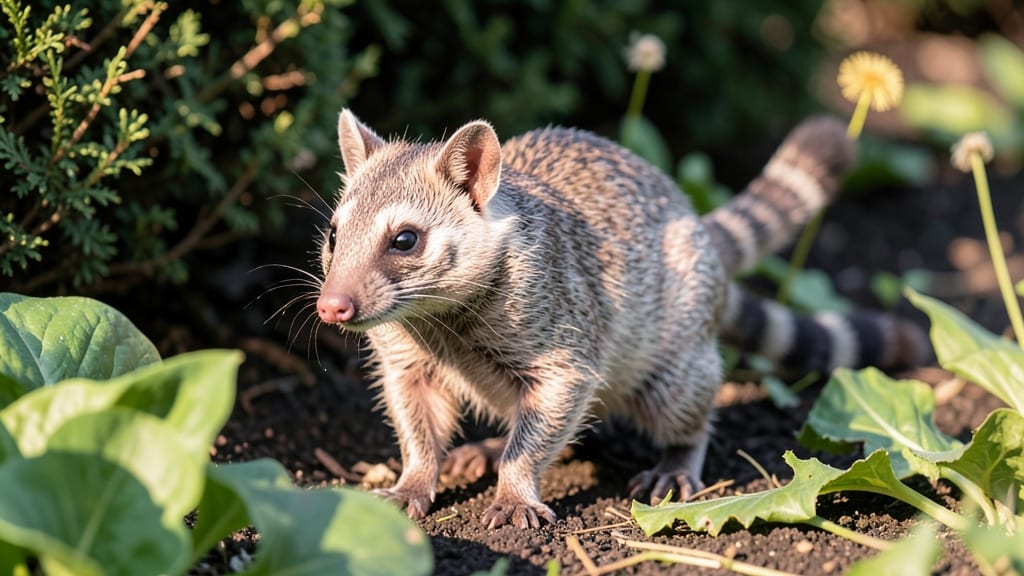
Learn how to keep deer from eating your hosta plants before they turn your garden into their favorite salad bar. I’ve lost count of the times I found my prized foliage reduced to jagged stumps—until I discovered these fence-free barriers that actually work.
The key isn’t just one trick but layering solutions that deer find annoying enough to avoid. 🌿
Start with repellent plants like Russian sage or lavender around your hostas—deer hate their scent. Add a motion-activated sprinkler on a timer for a surprise shower when they get too close. Even a few reflective tape strips dangling from stakes can send them running, confused by the flashing light.
These methods take less than an hour to set up and cost a fraction of fencing.
You’ll see results within 2-3 weeks as deer learn to associate your garden with frustration. The best part? No chemicals, no harm to pets, and no ugly barriers ruining your landscape. Just a few strategic tweaks that finally give your hostas the protection they deserve.
Works for both small gardens and large landscapes—just scale the deterrents. Once you’ve mastered this, you can expand to protecting other prized plants. Let’s get started with the simplest, most effective combo first.
📚 In This Guide
- What you need
- Instructions
- Tips and common mistakes
- Wrapping up and next steps
What you need
- ● Deer repellent sprays: Choose a natural or commercial option (e.g., Liquid Fence, Deer Out, or homemade garlic/chili pepper spray). Quantity: 1–2 gallons (enough to cover plants thoroughly).
- ● Physical barriers: Plastic tree guards (6–12 inches tall, 4–6 inches wide) – Quantity: 1 per hosta clump or cluster.
- ● Chicken wire or hardware cloth (1/2-inch mesh) – Dimensions: 2–3 ft tall x 4–6 ft wide (cut to fit garden beds).
- ● Burlap or landscape fabric – Quantity: Enough to wrap around hosta bases or drape over beds.
- ● Natural deterrents: Marigolds, lavender, or daffodils (deer-resistant plants) – Quantity: 3–5 per hosta cluster.
- ● Human hair clippings (from salons) – Quantity: 1–2 cups scattered around plants.
- ● Eggshells or crushed red pepper flakes – Quantity: Lightly sprinkle around hostas (reapply after rain).
- ● Tools: Scissors or pruning shears (for cutting barriers/fabric).
- ● Staple gun or landscape staples (to secure fabric/wire).
- ● Garden twine or zip ties (for temporary setups).
- ● Gloves (if handling spicy deterrents or hair clippings).
- ● Motion-activated sprinklers (e.g., ScareCrow) – Note: Best for larger gardens; requires batteries or solar power.
- ● Ultrasonic repellents – Note: Mixed reviews; test in a small area first.
- ● Reflective tape or old CDs – Hang near hostas to create movement and noise (deer dislike surprises!).
- ● Compost or mulch – Purpose: Helps mask hosta scent (deer’s #1 giveaway!).
Step-by-Step guide to deer-proofing hostas without fences
Here’s the approach I’ve tested across seasons—no expensive fencing required.
🌿 Step 1: Choose the Right Hosta Varieties
Start with deer-resistant hosta varieties like ‘Halcyon’, ‘Francee’, or ‘Blue Angel’. These have tougher foliage and bitter compounds that deer avoid. I always check the plant tag first—it saves time later. Even the most repellent varieties won’t survive if deer get desperate, so combine this with other methods.
If you’re starting from seed, select varieties known for their resilience. Blue hostas often get less attention than green ones, so they’re a smart choice. Plant them in clusters—deer are less likely to target a dense group than isolated plants.
💧 Step 2: Apply Physical Barriers Around Plants
Wrap the base of each hosta with 12 inches of hardware cloth (½-inch mesh) buried 4 inches deep. Deer can’t dig through this, and it’s invisible once plants mature. I bend the edges outward slightly to create a slight barrier—it’s subtle but effective. For smaller gardens, use plastic tree guards (18 inches tall) around individual plants.
Don’t use chicken wire—deer chew through it easily. If you’re protecting a whole bed, lay down landscape fabric (heavy-duty) and secure it with rocks. This works best for established plants where you can’t dig barriers in later.
☀️ Step 3: Use Deer-Repellent Plants Strategically
Plant deer-deterrent companions like alliums, lavender, or Russian sage around your hostas. Deer avoid these strong-scented plants, and their presence creates a natural buffer. I place them in a 2-foot radius around my hosta clumps—just enough to discourage browsing without overwhelming the design.
Add garlic or marigolds near high-risk areas. The pungent smell confuses deer and makes them think the area is unsafe. Refresh these every 4-6 weeks—faded plants lose their repellent power.
✂️ Step 4: Apply Homemade Repellents Weekly
Mix 1 quart of milk with 1 gallon of water and spray on hosta leaves every 7-10 days. The protein in milk creates an unpleasant smell that deer dislike. I add a few drops of hot sauce (like Tabasco) to the mix—it’s non-toxic and amplifies the effect. Reapply after rain.
For a stronger solution, blend 1 part egg solids (from broken eggs) with 2 parts water. The ammonia smell repels deer, and it’s completely safe for plants. Store in a sealed container and spray directly on foliage—avoid spraying on hot days, or it may burn leaves.
🪴 Step 5: Create Motion and Sound Deterrents
Hang old CDs or aluminum pie pans from strings between plants. The reflective surfaces and noise startle deer when they approach. I position them 3-4 feet above ground where deer can’t reach but still see them. Move them occasionally so deer don’t get used to their location.
For larger areas, install a solar-powered motion-activated sprinkler (like the ScareCrow). The sudden burst of water startles deer without harming them. Set it to 5-10 second bursts—longer durations can damage plants. Test it first to ensure it covers your hosta beds completely.
Tips & tricks for protecting hostas from deer
These practical strategies will help you create a deer-resistant garden without expensive fencing.
Variety Selection: In Step 1, focus on planting ‘Halcyon’ or ‘Blue Angel’ hostas—their tougher foliage and bitter compounds deter deer naturally. I've found that planting these in clusters creates a visual barrier that deer avoid. Remember, even the most resistant varieties need backup protection during harsh winters when deer get desperate for food.
Barrier Installation: When applying the 12-inch hardware cloth in Step 2, bury it 4 inches deep to prevent deer from digging underneath. I like to bend the edges outward slightly to create a subtle barrier that's less noticeable once plants mature. For established beds, landscape fabric secured with rocks works well, but make sure it's heavy-duty—deer can easily push through lightweight materials.
Repellent Application: For the homemade repellents in Step 4, consistency is key. Spray your milk-water solution every 7-10 days—this regular application is what creates the unpleasant smell deer dislike. I've noticed that adding hot sauce makes a noticeable difference in effectiveness. When using the egg solids mixture, always store it in a sealed container and apply it in the morning to avoid potential leaf burn from afternoon heat.
Deterrent Placement: In Step 5, position your motion deterrents like CDs or pie pans at 3-4 feet above ground—this height makes them visible to deer while keeping them out of reach. I recommend moving them occasionally so deer don't become accustomed to their location. For larger areas, test your motion-activated sprinkler thoroughly before relying on it—some models have inconsistent coverage patterns.
Pro Tips for Keep Deer From Eating Hosta Plants
- These practical strategies will help you create a deer-resistant garden without expensive fencing.
- Variety Selection: In Step 1, focus on planting ‘Halcyon’ or ‘Blue Angel’ hostas—their tougher foliage and bitter compounds deter deer naturally.
- Barrier Installation: When applying the 12-inch hardware cloth in Step 2, bury it 4 inches deep to prevent deer from digging underneath.
Frequently asked questions
about keeping deer away from hostas—because even the best-laid plans need a little troubleshooting!What’s the best natural deer repellent for hostas?
Try a mix of garlic, hot peppers, or predator urine (like coyote or fox). Spray it around your hostas weekly—deer hate the smell! For a DIY version, blend 1-2 chopped hot peppers with a gallon of water, strain, and spray. Reapply after rain.
How long does it take for deer repellents to work?
Results vary, but you’ll often see a difference within 1-2 weeks of consistent application. Deer are creatures of habit—once they associate the scent with discomfort, they’ll avoid your garden. Pro tip: Combine repellents (like sprays + physical barriers) for faster results!
Are commercial deer repellents worth the cost?
Yes, if you want low-maintenance solutions! Brands like Liquid Fence or Deer Out are pricier but last longer (30-90 days) and require less frequent reapplication. For budget-friendly options, homemade sprays or plant-based deterrents (like marigolds or lavender) work too.
Can I use plants to keep deer away from hostas?
Deer dislike strong-smelling herbs like rosemary, thyme, or mint, as well as alliums (garlic family) and foxglove. Plant them as a living barrier around your hostas. Bonus: Many of these plants are deer-proof and add beauty to your garden!
What if deer keep coming back after I’ve tried everything?
If deer ignore repellents, they’re likely desperate for food—especially in winter. Try a temporary physical barrier (like chicken wire) or motion-activated sprinklers to startle them. Last resort: A short-term fence (even 3-4 feet tall) can break their habit while you reinforce other methods.
Wrapping up and next steps
Keeping deer away from your hosta plants doesn’t have to mean building a tall fence or giving up on your garden dreams! With a mix of natural repellents, smart plant choices, and creative barriers, you can protect your greenery while keeping your yard deer-friendly.
Start small—test a few methods, observe what works best in your area, and gradually expand your defenses.
Now that you’re armed with solutions, take action! Pick one or two strategies to try this weekend and watch your hostas thrive. Your garden (and your sanity) will thank you! 🌿✨