
Planting
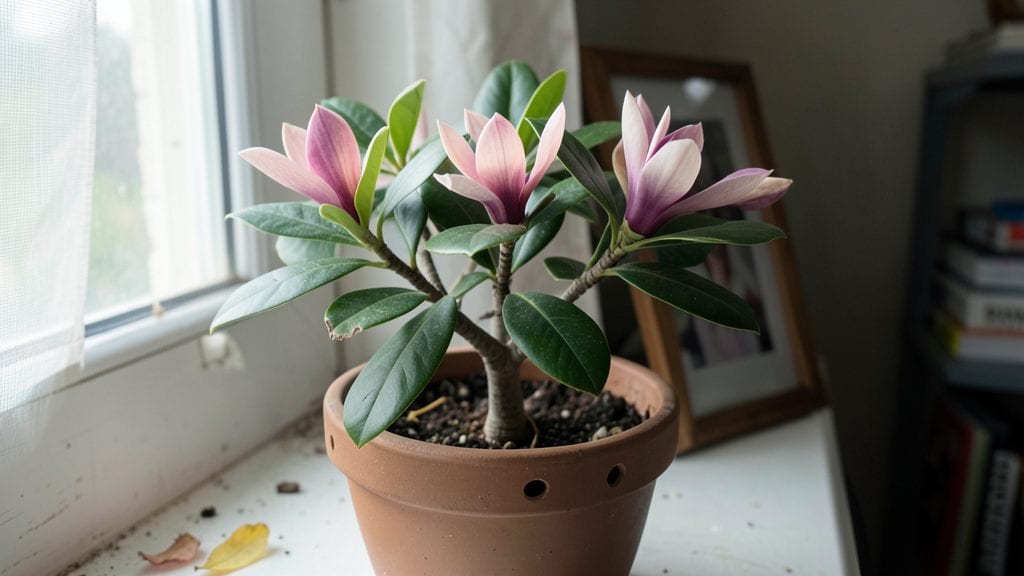
Growing an indoor magnolia plant that blooms reliably and keeps its leaves glossy year-round is easier than you think—especially when you match its tropical roots to your home environment.
I’ve nursed my own back from a sad, bare-branched state to a fragrant, leafy showstopper by focusing on just three things: light, humidity, and patience. The payoff? Those creamy white flowers in spring smell like a garden center, and the deep green leaves stay vibrant even in winter.
Magnolias aren’t fussy, but they do demand bright, indirect light—think east-facing windows or a few feet from a south window. Mine sits under a sheer curtain to filter harsh afternoon sun, which prevents leaf scorch.
As for water, let the top inch of soil dry out between drinks, but never let it bone-dry. Overwatering is the #1 killer, and soggy roots mean no blooms.
A peaty, well-draining potting mix keeps things just right, and a tray of pebbles with water underneath adds the humidity these plants crave.
Here’s the secret weapon: pruning after blooms fade encourages bushier growth and more flowers next year. Snip back leggy stems by a third, and you’ll trigger fresh, compact foliage. My plant now blooms twice a year—once in spring and again in late summer—because I stopped over-pruning in winter.
The glossy leaves stay pest-free too, thanks to occasional neem oil sprays (a 1% solution, once a month).
If your magnolia’s leaves yellow or drop, it’s usually overwatering or low humidity. Move it near a bathroom or kitchen to boost moisture, and check drainage—roots rot faster than you’d expect.
With these tweaks, you’ll have a fragrant, leafy centerpiece that turns heads (and fills your home with that intoxicating spring scent). Ready to bring it back to life?
📚 In This Guide
- What you need
- Instructions
- Tips and common mistakes
- Wrapping up and next steps
What you need
- ● Indoor magnolia plant: Choose a healthy Magnolia liliiflora or Magnolia grandiflora (dwarf varieties work best for indoor spaces).
- ● Pot: A well-draining container (12–16 inches in diameter) with drainage holes. Terracotta or ceramic pots are ideal.
- ● Potting mix: A high-quality, acidic (pH 5.0–6.0) mix—blend 2 parts peat moss, 1 part perlite, and 1 part pine bark.
- ● Fertilizer: A balanced, acid-loving plant fertilizer (e.g., 10-10-10 or 20-20-20), diluted to half-strength for feeding.
- ● Watering can: With a narrow spout for gentle watering.
- ○ Humidity tray or pebble tray: To maintain 50–70% humidity (optional but helpful for indoor conditions).
- ● Pruning shears: Sharp, sterilized shears for trimming dead or overgrown branches.
- ● Spray bottle: For misting leaves (especially in dry climates).
- ● Grow lights: LED or fluorescent lights (12–14 hours/day) if natural light is insufficient.
- ● Mulch (pine needles or bark): To retain moisture and acidity in the soil.
- ● Plant food (Epsom salt): A magnesium boost (1 tsp per gallon of water) every 2–3 months.
- ● Support stake or trellis: If your magnolia grows tall and needs structural support.
Step-by-Step instructions for cultivating an indoor magnolia plant
Here’s how to nurture a lush, blooming indoor magnolia with minimal fuss—just follow these precise steps.
Select the Right Variety and Pot for Your Space
Indoor magnolias thrive best as dwarf varieties like Magnolia stellata or Magnolia soulangeana, which stay compact enough for indoor living. Choose a pot with drainage holes and a diameter 2-3 inches wider than the root ball to allow room for growth without overwhelming the plant. Terra cotta pots help regulate moisture, but avoid anything larger than 12 inches—magnolias resent soggy roots.
Place the pot in a location with bright, indirect light—near an east or west-facing window works best. South-facing windows can scorch delicate leaves if direct sun hits them for more than 2-3 hours daily. If your home lacks natural light, supplement with a grow light positioned 12-18 inches away for 12-14 hours per day. Avoid drafty spots like near air vents or exterior doors, which stress the plant.
Use Well-Draining Soil and Fertilize Strategically
Fill the pot with a mix of 50% peat-based potting soil, 30% perlite, and 20% compost to ensure excellent drainage while retaining moisture. Avoid garden soil—it compacts and suffocates roots. Gently loosen the root ball if repotting an established plant, then place it in the new container, filling gaps with the prepared mix. Press lightly to secure the plant but avoid compacting the soil.
Fertilize once a month during spring and summer with a balanced, water-soluble fertilizer (10-10-10 ratio). Reduce feeding to every 6-8 weeks in fall and winter, as growth slows. Over-fertilizing causes salt buildup, which burns roots. Always water the plant thoroughly before fertilizing to prevent root damage.
Master Watering for Year-Round Health
Water your magnolia when the top 1-2 inches of soil feel dry to the touch, which typically occurs every 7-10 days in winter and every 5-7 days in summer. Stick your finger into the soil—if it’s damp only at the top, it’s time to water. Pour water slowly until it drains freely from the bottom holes, then empty the saucer to prevent root rot. Magnolias are drought-tolerant but hate soggy conditions.
Mist the leaves weekly in dry indoor air to mimic humidity levels they’d experience outdoors. Grouping the plant with other houseplants creates a microclimate that retains moisture. Avoid letting water sit on the leaves for long periods, as this can encourage fungal diseases. If you notice yellowing leaves or drooping, it’s usually a sign of overwatering—adjust your schedule immediately.
Prune and Encourage Blooms Year-Round
Prune your magnolia immediately after flowering to shape the plant and encourage next year’s blooms. Use clean, sharp pruners to trim back any leggy growth or crossing branches, cutting just above a leaf node at a 45-degree angle. Avoid heavy pruning in late summer or fall, as this can reduce next season’s flower production. Remove any dead or diseased branches at the base to prevent spread.
To promote blooming, provide cool nights (55-60°F) and warm days (70-75°F) if possible. If your home stays consistently warm year-round, place the plant near a window with cooler airflow at night. Avoid moving the plant frequently—magnolias prefer stability. If you notice buds forming but not opening, it may need more light or a slight temperature shift to trigger blooming.
Monitor for Pests and Adjust Care Seasonally
Check the undersides of leaves weekly for signs of pests like spider mites or scale, which thrive in dry indoor air. Wipe leaves gently with a damp cloth to remove dust and deter infestations. If you spot pests, treat with neem oil or insecticidal soap, following package instructions. Avoid chemical pesticides, as they can harm the plant’s delicate foliage.
In winter, reduce watering slightly and avoid fertilizing unless you see new growth. Increase humidity around the plant if indoor heating dries the air. If the plant drops leaves or flowers prematurely, it may be reacting to sudden temperature changes—keep it in a stable environment. With consistent care, your magnolia will reward you with glossy foliage and fragrant blooms for years.
Tips & tricks for perfect indoor magnolia plant care
A few subtle adjustments can transform your indoor magnolia from struggling survivor to thriving showstopper. These are the details that make all the difference between a plant that merely survives and one that flourishes with glossy leaves and fragrant blooms.
Light Placement Precision: The 12-14 hours of grow light mentioned in Step 1 is non-negotiable for consistent results. Position your grow light at exactly 12-18 inches away—any closer risks burning delicate foliage, while any farther reduces light intensity. I've found that rotating the plant a quarter turn every week ensures even light exposure all around, preventing lopsided growth. This mimics natural sunlight patterns and encourages balanced development.
Soil Mix Secrets: When creating your 50-30-20 soil mix in Step 2, don't skip the compost—it provides essential micronutrients magnolias crave. For even better results, add a handful of worm castings to the mix. These create beneficial microbial activity that improves root health. The key is maintaining that perfect balance: too much perlite drains too quickly, while too much peat can compact over time and reduce aeration.
Watering Technique: The finger test in Step 3 is crucial, but here's what I've learned: check moisture at the same time each day to establish a routine. Morning is ideal—it gives roots time to absorb moisture before evening. When watering, pour slowly until water flows freely from the drainage holes. This ensures thorough saturation without creating waterlogged conditions. I've seen many magnolias suffer from inconsistent watering patterns that lead to root stress.
Temperature Management: The 55-60°F nighttime temperature range in Step 4 is particularly important for bud formation. If your home stays consistently warm, try placing the plant near a window with cooler nighttime airflow or use a small fan on low setting near the plant for a few hours each evening. This subtle temperature shift mimics natural seasonal changes and triggers blooming hormones. Many indoor gardeners overlook this temperature differential, which is why their magnolias often fail to flower.
Pro Tips for Indoor Magnolia Plant
- A few subtle adjustments can transform your indoor magnolia from struggling survivor to thriving showstopper.
- Light Placement Precision: The 12-14 hours of grow light mentioned in Step 1 is non-negotiable for consistent results.
- Soil Mix Secrets: When creating your 50-30-20 soil mix in Step 2, don't skip the compost—it provides essential micronutrients magnolias crave.
Frequently asked questions
Got questions about keeping your indoor magnolia thriving?
Here are answers to the most common queries—from care tips to troubleshooting—so you can enjoy lush foliage and fragrant blooms all year!
How often should I water my indoor magnolia plant?
Water your magnolia when the top 1-2 inches of soil feel dry—usually every 1-2 weeks, depending on humidity and temperature. Overwatering is the #1 killer, so always use a pot with drainage holes and avoid soggy soil. Pro tip: Stick your finger in the soil to check moisture levels!
Can indoor magnolias survive winter indoors?
Yes! Indoor magnolias (like Magnolia grandiflora or M. soulangeana) thrive year-round indoors if kept in bright, indirect light and moderate temperatures (60–75°F). Avoid drafts, heaters, or AC vents, which can stress the plant. A humidifier helps mimic their tropical habitat.
Why isn’t my indoor magnolia blooming?
Blooms are tricky indoors! Magnolias need consistent care (light, water, humidity) and often take 3–5 years to flower. If it’s mature but still not blooming, check for:
- Low light (move to a brighter spot, like near a south/west window).
- Lack of dormancy (some need cooler temps in winter to trigger blooms).
- Over-fertilizing (too many nutrients can prevent flowering).
What pests should I watch for on indoor magnolias?
Common pests include:
- Spider mites (tiny webs on leaves—treat with neem oil or a damp cloth).
- Scale insects (sticky residue on leaves—scrub with soapy water).
- Aphids (clustered on new growth—blast off with water or insecticidal soap).
Are there low-maintenance alternatives to indoor magnolias?
If magnolias feel too high-maintenance, try these fragrant or glossy-leaved indoor plants:
- Jasmine (Trachelospermum jasminoides) – Sweet-scented, drought-tolerant.
- Fiddle-leaf fig (Ficus lyrata) – Dramatic leaves, thrives in bright light.
- Gardenia (Gardenia jasminoides) – Fragrant blooms, loves humidity.
- Chinese evergreen (Aglaonema) – Nearly indestructible, great for beginners.
Wrapping up and next steps
Growing an indoor magnolia plant is a rewarding journey that brings year-round beauty and a touch of nature indoors.
With the right care—bright, indirect light, consistent moisture, and patience—you’ll enjoy its lush foliage and fragrant blooms for seasons to come. Don’t wait to start! Pick your variety, gather your supplies, and give this elegant plant a home in your space today. 🌿✨
Next step: Choose your favorite magnolia type and begin your growing adventure—your future blooms will thank you!