Plants
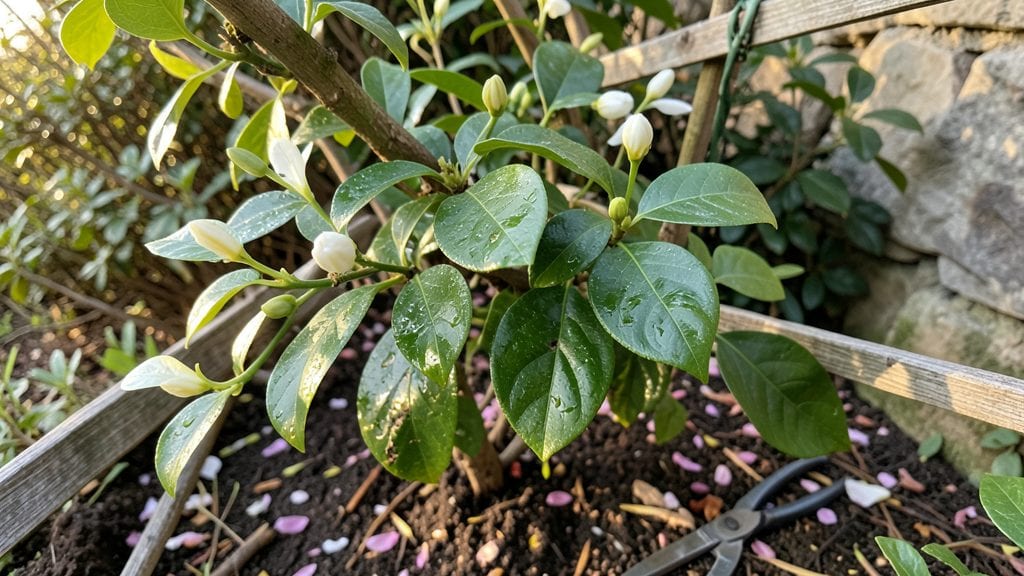
If your jasmine plant’s leaves yellow and the roots reek of rot—or worse, a creeping fungus—hydrogen peroxide could be your plant’s last hope. 🌿 I’ve nursed back more than a dozen jasmine plants from root rot using this simple soak method—no harsh chemicals. just science and elbow grease.
The key is catching it early, before the stems turn mushy and the fragrance fades for good.
Root rot thrives in soggy soil and stagnant air, especially in humid climates where jasmine loves to grow. Poor drainage or overwatering turns the roots black and slimy, while powdery mildew shows up as white, dusty patches on leaves.
My jasmines always struggle after heavy rains unless I adjust their care—better to soak the soil than drown it.
With a 3% hydrogen peroxide solution, you’ll see new growth within two weeks if the roots aren’t completely dead. The solution kills fungus on contact while oxygenating the soil, giving your plant a fighting chance.
Just mix 1 tablespoon per gallon of water, let the roots soak for 10 minutes, then replant in fresh, well-draining mix.
For long-term protection, prune back infected stems immediately and space plants for airflow. If the problem keeps returning, your jasmine might need a bigger pot or a move to a sunnier spot. The goal isn’t just survival—it’s bringing back that intoxicating scent and lush, climbing growth.
Root Causes Of Fungal Spread
Fungal infections in jasmine plants—like the dreaded root rot—don’t just appear out of nowhere. They thrive due to a mix of environmental, cultural, and biological factors.
Understanding these triggers is the first step to preventing (or reversing) fungal damage. Let’s break down the key culprits behind fungal outbreaks in your jasmine.
🌧️ Excessive Moisture & Poor Drainage
Fungi love damp conditions, and jasmine plants are especially vulnerable when their roots sit in soggy soil for too long. Here’s why this happens:
- Overwatering: Jasmine plants prefer well-draining soil, but many gardeners (or even automated systems) water on a rigid schedule without checking soil moisture. If the top 1–2 inches of soil are still wet, the roots suffocate, creating the perfect breeding ground for Phytophthora or Pythium—two common root-rot fungi.
- Compacted or heavy soil: Clay or loamy soils without organic matter compact easily, trapping water near the roots. Even with "proper" watering, stagnant moisture encourages fungal spores to germinate.
- Lack of drainage holes: Pots without drainage or garden beds with a high water table force roots to sit in waterlogged conditions, accelerating fungal growth.
Actionable fix: Test soil moisture with your finger before watering. If it’s damp, wait. Amend heavy soil with perlite or coconut coir to improve aeration.
🌱 Stressed or Weakened Plants
Healthy jasmine plants have natural defenses against fungi, but stress weakens their immunity. Common stressors include:
- Nutrient deficiencies: Low nitrogen or phosphorus levels stunt root growth, making plants more susceptible to fungal invasion. Yellowing leaves or stunted vines are red flags.
- Physical damage: Pruning wounds, pest bites (like spider mites), or even rough handling can create entry points for fungal spores.
- Environmental shocks: Sudden temperature drops, harsh winds, or extreme heat disrupt the plant’s ability to fight off pathogens.
Actionable fix: Fertilize with a balanced, slow-release formula (like 10-10-10) and avoid pruning during rainy seasons. Use mulch to protect roots from temperature swings.
🍄 Contaminated Soil or Tools
Fungal spores are everywhere—in soil, water, and even on garden tools. If your jasmine’s environment is already infected, the plant has little chance. Here’s how contamination spreads:
- Reused infected soil: Old potting mix, garden beds, or compost with fungal spores can reintroduce pathogens when repotting or planting new jasmines.
- Dirty pruners or gloves: Cutting tools carry fungal spores from diseased plants to healthy ones. A single swipe can transfer Fusarium or Rhizoctonia.
- Water sources: Stagnant water in saucers, birdbaths, or irrigation systems can harbor fungal spores that splash onto leaves or roots.
Actionable fix: Sterilize tools with 70% isopropyl alcohol or a 10% bleach solution. Use fresh, sterile potting mix for repotting, and avoid overhead watering.
🌡️ Ideal Fungal Growth Conditions
Fungi don’t just appear—they multiply when conditions are just right. For jasmine root rot, these factors create a fungal paradise:
| Factor | Fungal-Friendly Range | Jasmine’s Comfort Zone |
|---|---|---|
| Temperature | 60–80°F (15–27°C) | 65–75°F (18–24°C) |
| Humidity | 70%+ (especially near roots) | 40–60% (lower in pots) |
| Soil pH | 5.0–6.5 (acidic, common in fungal soils) | 6.0–7.0 (slightly acidic to neutral) |
Actionable fix: Improve airflow with proper spacing, use a fan for indoor jasmines, and adjust pH with lime (to raise) or sulfur (to lower) if needed.
💡 Pro Tip: If your jasmine is already showing signs of fungus (blackened roots, mushy stems, or white mold), act fast. Isolate the plant and treat it with a hydrogen peroxide soak to disrupt fungal growth before it spreads.
Fixing Fungal Issues in Jasmine Plants
Fungal infections like root rot or powdery mildew can turn your fragrant jasmine plant into a sad, wilted shadow of its former self—but don’t panic! With the right approach, you can nurse it back to health and keep future outbreaks at bay.
Below, we’ve mapped out practical, step-by-step solutions tailored to the most common causes, from overwatering to poor airflow. Plus, we’ll share prevention tips to ensure your jasmine thrives long-term.
Cause: Overwatering, poor drainage, or soggy soil creates the perfect breeding ground for fungal pathogens like Phytophthora or Pythium.
How to Fix It:
- 🚰 Stop Watering Immediately
- Let the soil dry out completely before watering again. Stick your finger 1–2 inches into the soil—if it’s damp, wait.
- 🌱 Repot in Fresh, Draining Soil
- Remove the plant gently and trim any black, mushy roots (use sterilized scissors). Healthy roots are firm and white.
- Repot in a well-draining mix (50% potting soil + 50% perlite/sand) and choose a pot with drainage holes.
- 🧴 Hydrogen Peroxide Soak (The Game-Changer)
- Mix 1 part 3% hydrogen peroxide with 4 parts water in a clean container.
- Submerge the roots only for 10–15 minutes to kill fungi and bacteria. Rinse gently afterward.
- ☀️ Improve Airflow & Light
- Move your jasmine to a bright, indirect spot (avoid deep shade) and ensure 3–4 inches of space between plants for airflow.
💡 Prevention Tips:
- Water only when the top 1–2 inches of soil are dry (jasmine prefers slightly dry conditions).
- Elevate pots on feet or trays to prevent water pooling.
- Avoid letting plants sit in saucers of standing water.
Cause: High humidity, poor ventilation, or crowded foliage traps moisture, encouraging Erysiphe or Sphaerotheca fungi.
How to Fix It:
- 🧼 Wipe Down Leaves
- Use a soft cloth dampened with neem oil solution (1 tsp neem oil + 1 quart water) to remove mildew gently.
- 🌿 Prune for Better Airflow
- Trim overcrowded or dead leaves to improve circulation. Aim for open, airy growth.
- 💧 Water at the Base (Not the Leaves)
- Avoid overhead watering, which spreads spores. Water early in the day so leaves dry quickly.
- 🌡️ Adjust Humidity & Light
- If indoors, use a dehumidifier or fan to keep humidity below 60%.
- Move the plant to bright, indirect light (powdery mildew thrives in low light).
💡 Prevention Tips:
- Space plants 6–12 inches apart to reduce humidity buildup.
- Mulch lightly (1–2 inches) to retain moisture in the soil without smothering roots.
- Rotate pots occasionally for even sunlight exposure.
Cause: Fungal infections (Fusarium, Rhizoctonia) enter through wounded stems, often from overwatering or physical damage.
How to Fix It:
- 🔪 Prune Infected Stems
- Cut off dark, soft, or oozing stems at a 45-degree angle with sterilized pruners. Avoid leaving stubs.
- 🧴 Apply Fungicide
- Spray copper fungicide (follow label instructions) on pruned areas and surrounding foliage.
- 🌱 Repot in Sterile Soil
- Use new, fungus-free potting mix and a clean pot. Disinfect tools with rubbing alcohol.
- ⏰ Monitor & Adjust Care
- Reduce watering frequency and never let soil stay soggy.
💡 Prevention Tips:
- Avoid wounding stems when pruning or handling.
- Sterilize tools before and after use (especially if you have multiple plants).
- Isolate infected plants until symptoms disappear.
- 🌿 Boost Plant Immunity: Feed with a balanced, water-soluble fertilizer (20-20-20) every 4–6 weeks during growing season.
- 🌡️ Temperature Check: Keep jasmines in 60–80°F ranges—extreme temps stress plants, making them vulnerable.
- 🧪 Test Your Soil: Use a moisture meter to avoid overwatering guesswork.
Remember: Patience is key! Some plants take 4–6 weeks to recover fully. If your jasmine is severely compromised, start with a cutting—healthy growth can often outpace the fungus. With these steps, your jasmine will be back to blooming beautifully in no time! 🌸
Frequently asked questions about jasmine plant fungus
What are the first signs of fungus on my jasmine plant?
Watch for white powdery patches on leaves (powdery mildew) or black, mushy roots (root rot). Leaves may also yellow, wilt, or develop brown spots. Early detection is key—act fast if you spot these symptoms to prevent spread.
Can I save a jasmine plant with severe root rot?
It depends! If only a few roots are affected, trim the damaged ones, repot in fresh soil, and use a hydrogen peroxide soak (1 tbsp per gallon of water for 10 minutes). However, if most roots are rotted, the plant may not recover—start with healthy cuttings instead.
How often should I treat my jasmine for fungus?
For active infections, treat every 7–10 days with fungicide or natural remedies like neem oil. Once symptoms disappear, switch to preventive care: monthly copper spray or hydrogen peroxide soak during humid months.
Is hydrogen peroxide safe for all jasmine varieties?
Yes, 3% hydrogen peroxide is safe for all jasmines when diluted properly (1:4 ratio). It kills fungus without harming the plant. Just avoid over-soaking—10–15 minutes max is ideal. Rinse roots afterward to prevent residue buildup.
Why does my jasmine keep getting fungus even after treatment?
Persistent fungus often means underlying issues like poor drainage, high humidity, or contaminated soil. Check your watering habits, improve airflow, and repot in sterile mix. If problems persist, test soil pH—jasmines prefer 6.0–7.0.