Aphids
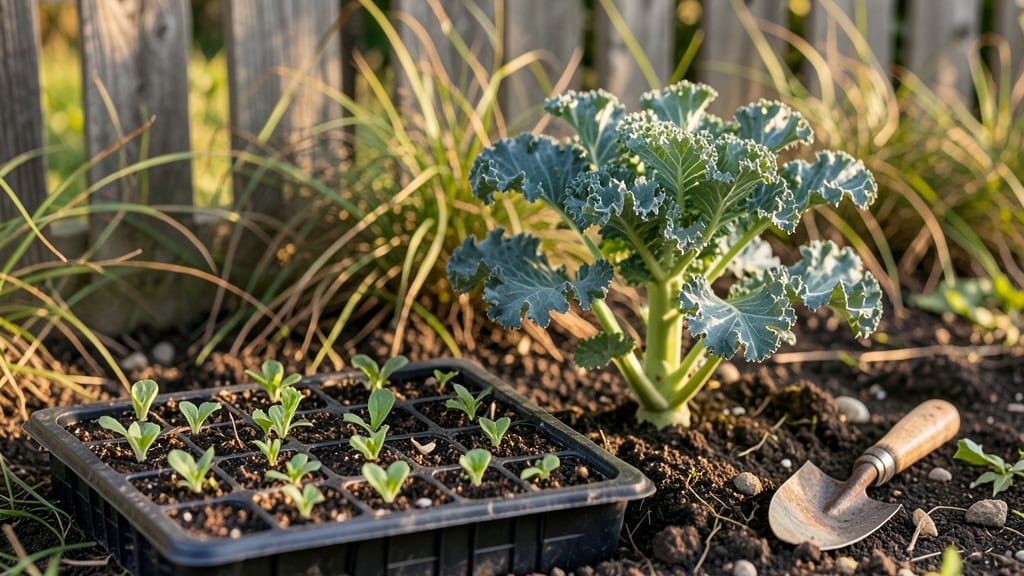
Planting kale in summer can actually work—if you time it right and give it the right care. 🌿 My first attempt ended in wilted leaves, but after learning the tricks for heat tolerance and aphid resistance, I now grow kale that thrives even when temperatures climb.
The key is choosing the right varieties, planting at the perfect moment, and using shade cloth to protect young plants.
You’ll need 3 simple supplies: bolt-resistant kale seeds (like Winterbor or Red Russian), 3-5 feet of shade cloth, and well-draining soil mixed with compost. Space plants 12-18 inches apart in partial shade, and avoid planting after mid-July—that’s when summer heat becomes too intense.
The right soil prep makes all the difference, especially in hot climates.
By following these steps, you’ll harvest tender, aphid-resistant leaves starting in 8-10 weeks, even in summer. The plants stay crisp and flavorful, and you’ll avoid the common pitfalls of bolting or pest damage. With the right companion plants (like dill or marigolds), you’ll also deter those pesky aphids naturally.
This method works in USDA Zones 3-10, though timing shifts slightly by region. In hotter zones, start seeds indoors 6-8 weeks before last frost and transplant after evening temperatures drop below 80°F. The same principles apply—just adjust the schedule to your local climate.
📚 In This Guide
- What you need
- Instructions
- Tips and common mistakes
- Wrapping up and next steps
What you need
- ● Kale seedlings or seeds: Choose aphid-resistant varieties like ‘Winterbor,’ ‘Red Russian,’ or ‘Lacinato’ (10–20 plants for a small garden, 30+ for larger harvests).
- ● If starting from seeds, opt for organic, non-GMO varieties for best resistance.
- ● Well-draining soil: Test soil pH (ideal: 6.0–7.0; amend with compost if needed).
- ● Mix in 2–3 inches of compost or aged manure for nutrients.
- ● Sunlight access: Full sun (6+ hours/day) or partial shade (especially in hot climates).
- ● Watering supplies: Drip irrigation or watering can (avoid overhead sprinklers to prevent fungal diseases).
- ● Consistent moisture is key—aim for 1–1.5 inches/week.
- ● Basic gardening tools: Trowel or transplanting spade (for seedlings).
- ● Garden gloves (to protect from thorns on some varieties).
- ● Aphid deterrents: Neem oil spray (1 tbsp/quart of water, spray every 7–10 days).
- ● Ladybugs or lacewing larvae (natural predators; release at dusk).
- ● Mulch: Straw or wood chips (2–3 inches) to retain moisture and suppress weeds.
- ● Row covers: Lightweight fabric to shield young plants from pests (remove when plants mature).
- ● Fertilizer: Balanced organic fertilizer (10-10-10) or fish emulsion (apply every 4–6 weeks).
Step-by-step instructions for summer kale planting
Here's the straightforward method I've used to grow hardy, aphid-resistant kale all summer long.
🌱 Step 1: Choose the Right Variety and Prepare the Soil
For summer planting, reach for heat-tolerant varieties like 'Vates' or 'Dwarf Blue Curled'—they handle warmer temperatures better than standard types. Kale thrives in well-draining soil with a pH between 6.0 and 7.0, so test your soil if possible. Amend with 2 inches of compost if your soil is heavy clay or sandy, mixing it into the top 12 inches of soil.
Work the compost in thoroughly—kale roots need loose, aerated soil to prevent rot. Here's the thing: if your soil feels compacted when squeezed, add 1 part perlite to every 3 parts soil to improve drainage. Avoid fresh manure, as it can burn tender kale seedlings.
☀️ Step 2: Plant at the Right Time and Depth
Plant kale seeds 4-6 weeks before your first expected frost in fall, but no later than mid-summer—this gives plants enough time to mature before heat stress sets in. Sow seeds ¼ inch deep in rows spaced 18 inches apart, or scatter them thinly if broadcasting. I like to plant in a 3-foot-wide bed with 12-inch spacing between plants for easy harvesting.
Thin seedlings to 12-15 inches apart once they develop 2-3 true leaves—this prevents overcrowding and gives each plant room to grow. If aphids appear early, spray seedlings with a soapy water solution (1 tablespoon mild liquid soap per gallon of water) to deter them before they take hold.
💧 Step 3: Water and Maintain for Continuous Harvest
Water deeply once a week, aiming for 1-1.5 inches of water per week—more in extreme heat. Kale needs consistent moisture, but soggy soil invites rot. I water in the early morning to reduce evaporation and fungal risks. Mulch with 2 inches of straw to retain moisture and suppress weeds, but keep mulch 2 inches away from stems to prevent rot.
Harvest outer leaves when they reach 6-8 inches tall, cutting just above a set of leaves. This encourages bushier growth and keeps plants productive. If temperatures rise above 80°F, provide afternoon shade with a lightweight row cover or shade cloth to prevent bolting. With proper care, your plants will keep producing until a hard frost.
Tips & tricks for perfect summer kale planting
Here's what I've learned after growing aphid-resistant kale through multiple summers—details that make all the difference between healthy plants and disappointing results.
Variety Selection: The heat-tolerant varieties like 'Vates' or 'Dwarf Blue Curled' aren't just recommendations—they're essential for summer success. Regular kale varieties bolt quickly when temperatures climb above 75°F. I've found that 'Vates' maintains its sweet flavor even when other varieties turn bitter. If you can only get one variety, make it one of these two.
Soil Preparation Secret: When amending your soil with compost, don't just spread it on top—mix those 2 inches of compost into the top 12 inches of soil. Kale roots grow deep, and they need that loose, aerated environment all the way down. I've seen plants thrive in amended soil while struggling in surface-only compost applications. For heavy clay soils, that 1:3 perlite mix is non-negotiable—it's what prevents root rot.
Planting Timing: The 4-6 week window before your first frost is critical, but don't wait until mid-summer if your climate gets particularly hot. In my experience, planting by early July gives plants enough time to establish roots before summer heat peaks. If you're in a particularly warm region, consider starting seeds indoors 4 weeks before your last frost date and transplanting seedlings.
Heat Management: That 80°F threshold isn't just a suggestion—it's when kale starts bolting. I've learned to monitor afternoon temperatures closely. When it hits 80°F, I immediately set up that lightweight row cover for the hottest 2-3 hours of the afternoon. The difference in plant health is dramatic—covered plants continue growing while uncovered ones show stress within days.
Pro Tips for Kale Summer Planting
- Here's what I've learned after growing aphid-resistant kale through multiple summers—details that make all the difference between healthy plants and disappointing results.
- Variety Selection: The heat-tolerant varieties like 'Vates' or 'Dwarf Blue Curled' aren't just recommendations—they're essential for summer success.
- Soil Preparation Secret: When amending your soil with compost, don't just spread it on top—mix those 2 inches of compost into the top 12 inches of soil.
Frequently asked questions
Got questions about growing kale in summer? You’re not alone!
Summer planting can be tricky, but with the right approach, you’ll enjoy aphid-resistant leaves all season long. Here are answers to the most common queries to help you succeed.
Can kale survive the heat of summer?
Kale is a cool-season crop, but with the right strategies, it can thrive in summer! Plant it in late summer (August–early September) for a fall harvest, or choose heat-tolerant varieties like ‘Lacinato’ (Dinosaur Kale). Provide afternoon shade and keep soil moist to prevent bolting (flowering).
When is the best time to plant kale in summer?
For summer planting, aim for late July to early August in most U.S. zones (5–9). This gives kale time to establish roots before cooler fall weather arrives. In hotter climates (zones 10+), start seeds indoors 6–8 weeks before the first frost or use shade cloth outdoors.
How do I protect kale from aphids in summer?
Aphids love summer heat! Prevent infestations by spraying plants with water to dislodge them, introducing ladybugs or lacewings, or using neem oil as a natural repellent. Choose aphid-resistant varieties like ‘Winterbor’ or ‘Red Russian’ for extra defense.
What can I plant alongside kale to improve growth?
Kale benefits from companion planting! Try these pairings:
- Herbs: Dill, cilantro, and mint deter pests.
- Flowers: Marigolds and nasturtiums repel aphids.
- Avoid: Strawberries (compete for nutrients) or tomatoes (can attract pests).
What if my kale bolts (goes to seed) too soon?
Bolting happens when kale senses heat or stress. To delay it:
- Keep soil consistently moist (not soggy).
- Use mulch to regulate temperature.
- Harvest outer leaves first to reduce stress.
- Choose bolt-resistant varieties like ‘Vates’ or ‘Winterbor’.
Wrapping up and next steps
Planting kale in the summer might seem tricky, but with the right aphid-resistant varieties and a few smart strategies, you can grow lush, healthy leaves even in warmer months! 🌱 The key is choosing sacred kale or redbor, providing shade, and keeping soil moist—while avoiding overcrowding.
With these steps, you’ll enjoy crisp, nutrient-packed greens straight from your garden.
Ready to get started? Grab your seeds, pick a spot, and dive in! Once your kale takes off, consider expanding your garden with other heat-tolerant greens for a year-round harvest. Happy planting! 🌿