Flowers
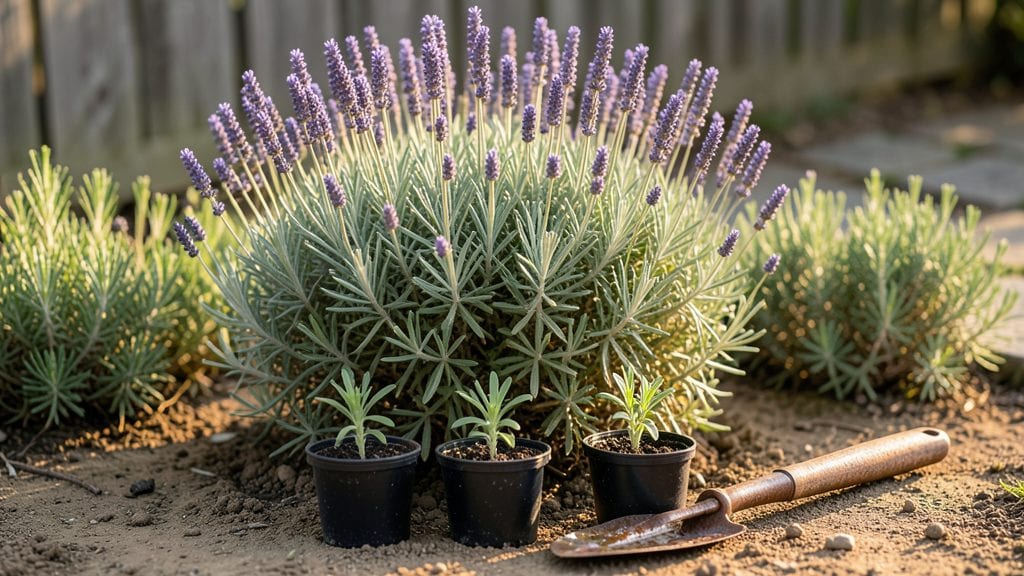
Follow these lavender planting instructions to get started—this fragrant perennial thrives when you mimic its Mediterranean roots with the right soil mix and timing. I learned the hard way that soggy soil or too-shady spots turn it into a sad, leggy mess.
The secret? Well-draining soil with 30% sand or gravel, planted in full sun where it bakes for at least six hours daily.
You’ll need young plants (not seeds) from a nursery, a sunny spot with room to spread, and a trowel. Space them 18-24 inches apart in rows, and dig a hole just as deep as the root ball.
The first watering should be light—lavender hates wet feet and will sulk if you drown it. After that, let the soil dry completely between waterings.
Within weeks, you’ll see stiff stems and silvery foliage pushing through, followed by those signature purple spikes. By summer, your lavender will smell like a Provence summer breeze, and it’ll keep blooming if you deadhead spent flowers. The key to long-term success? Never fertilize—lavender loves lean soil.
For cold climates, mulch lightly in winter; in hot zones, water sparingly to prevent root rot. If your lavender starts looking wilted, it’s usually thirsty—not dead. With the right care, these drought-loving plants will reward you for years with fragrance and beauty that never fades.
📚 In This Guide
- What you need
- Instructions
- Tips and common mistakes
- Wrapping up and next steps
What you need
- ● Lavender plants: 10–20 nursery-grown lavender plants (e.g., Lavandula angustifolia or Lavandula x intermedia for hardier varieties). Choose healthy, root-bound plants with sturdy stems.
- ● Well-draining soil: 6–8 bags of gravel, perlite, or pumice (1 cubic yard total) to improve drainage.
- ● 4–6 bags of sandy loam or cactus/succulent mix (avoid heavy clay soil!).
- ● Sunlight: A full-sun location (6+ hours of direct sunlight daily).
- ● Watering can or hose with a gentle spray nozzle.
- ● Pruning shears or sharp scissors (sterilized with rubbing alcohol).
- ● Organic mulch: 2–3 bags of gravel or coarse sand (to retain heat and deter weeds).
- ● Slow-release fertilizer: 1–2 lbs of low-nitrogen, phosphorus-rich fertilizer (e.g., 5-10-10 or composted manure).
- ● Drip irrigation system (to avoid overwatering).
- ● Windbreaks: Small stakes or a trellis if your garden is exposed to strong winds.
- ● Garden gloves (to protect your hands from prickly stems!).
- ● Lavender companion plants: Rosemary, thyme, or sage (they love the same growing conditions!).
Step-by-step instructions for planting lavender
Lavender thrives with minimal fuss once you nail the soil and sunlight. Here’s how to plant it for vibrant, fragrant blooms year after year.
Choose the Perfect Location
Lavender demands full sun—at least 6 to 8 hours daily—and well-draining soil. I always plant mine in a spot with south or southwest exposure, where it gets the most intense afternoon light. Avoid low-lying areas where water pools, as soggy roots will kill your plants within weeks.
If your soil is heavy clay, consider planting in a raised bed or elevated container to prevent waterlogging. Lavender roots need air, not suffocation. You’ll know you’ve picked the right spot when the plants grow upright, not stretching toward the light, and the fragrance is strongest in the late afternoon.
Prepare the Soil for Optimal Drainage
Lavender refuses to grow in dense, water-retentive soil. Mix 3 parts sand (or perlite) with 1 part garden soil to create a loose, gritty medium. I dig a hole twice as wide as the root ball but only as deep as the container it came in—lavender hates being buried too deep.
If you’re planting multiple bushes, space them 18 to 24 inches apart to allow airflow and prevent disease. Amend the soil with a light layer of compost (no more than 10% of the mix) to feed the roots without compacting the soil. The goal is a texture like coarse sand—when you squeeze a handful, it should crumble easily.
Plant and Water Deeply
Gently remove the lavender from its container and loosen any circling roots with your fingers. Place it in the hole so the top of the root ball sits level with the soil surface—burying the crown too deep will rot the plant. Backfill with your prepared mix, pressing lightly to eliminate air pockets.
Water deeply right after planting to settle the soil, but resist the urge to keep it soggy. Lavender’s roots should dry out between waterings. After the first soak, let the soil dry completely before watering again. Overwatering is the fastest way to kill lavender—you’ll see yellowing leaves and a mushy stem as the first signs of distress.
Mulch and Prune for Long-Term Health
Spread a 2-inch layer of gravel or coarse sand around the base of the plant to suppress weeds and improve drainage. Avoid organic mulch like wood chips, which can smother the roots and retain too much moisture. The gravel should cover the soil surface but not touch the stem.
Prune lavender once a year, right after it finishes blooming in early summer. Cut back one-third of the woody stems to encourage bushier growth and more flowers next season. Use clean, sharp shears and make cuts just above a set of healthy leaves. Never prune into old, bare wood—this kills the plant.
Maintain for Year-Round Fragrance
Lavender is drought-tolerant once established, but it still needs regular watering in the first year to help roots spread. After that, water only when the soil feels dry 2 inches below the surface. You’ll know it’s time when the leaves start to wilt slightly—lavender wilts easily but bounces back quickly.
Fertilize lightly in early spring with a low-nitrogen, balanced fertilizer (like 5-5-5). Too much nitrogen makes lavender grow lush foliage at the expense of flowers. Deadhead spent blooms in late summer to encourage a second flush of flowers. With the right care, your lavender will reward you with fragrant blooms for 10 years or more.
Tips & tricks for perfect lavender planting
These simple yet game-changing tips will help you avoid common pitfalls and ensure your lavender thrives for years to come.
Sunlight is Non-Negotiable: While the instructions mention 6 to 8 hours of sun, I can't stress enough how critical this is. If your location only gets 5 hours of direct sunlight, consider growing lavender in containers and placing them on a sunny patio or balcony during peak sun hours. The afternoon sun between 12 PM and 4 PM is especially valuable for that intense fragrance development.
Soil Texture is Everything: When mixing your 3 parts sand to 1 part soil, don't skimp on the sand. I've seen lavender plants fail spectacularly when gardeners use too much regular soil. For the ultimate drainage, use coarse builder's sand or horticultural grit. You'll know you've got it right when you can easily run your fingers through the mix without resistance—it should feel like dry beach sand.
Watering Wisdom: That first deep watering after planting is crucial, but what happens next is where most people go wrong. Instead of waiting until the soil feels completely dry at the surface, wait until it's dry 2 inches down. Stick your finger in the soil—if the top inch is dry but the second inch still feels damp, wait another day. This mimics natural drought conditions lavender loves.
Pruning Precision: When you prune those one-third of woody stems in early summer, focus on the oldest growth. These are the stems that have already bloomed and are now woody at the base. Cutting these encourages new, vigorous growth from the base. I always make my cuts just above a set of healthy leaves to prevent exposing bare wood, which can lead to rot.
Pro Tips for Lavender Planting Instructions
- These simple yet game-changing tips will help you avoid common pitfalls and ensure your lavender thrives for years to come.
- Sunlight is Non-Negotiable: While the instructions mention 6 to 8 hours of sun, I can't stress enough how critical this is.
- Soil Texture is Everything: When mixing your 3 parts sand to 1 part soil, don't skimp on the sand.
Frequently asked questions
Got questions about growing lavender?
You’re not alone—this fragrant beauty has a few quirks! Here are answers to the most common queries to help you cultivate thriving lavender plants with confidence.
When is the best time to plant lavender?
Plant lavender in early spring or fall when temperatures are mild (50–75°F). Avoid extreme heat or frost, as lavender is sensitive to both. Spring planting gives roots time to establish before summer, while fall allows for root growth before winter dormancy. Pro tip: If planting in summer, water deeply and mulch to protect roots from heat stress!
How long does it take for lavender to grow and bloom?
Lavender typically takes 6–12 months to mature from seed, but established plants (purchased from nurseries) may bloom in the first year, especially if planted in spring. With proper care, you’ll see fragrant spikes by late spring or early summer. Patience is key—some varieties, like English lavender, bloom faster than others like Spanish lavender.
Why isn’t my lavender blooming?
Lavender skips blooms due to over-fertilizing (it thrives in lean soil!), poor drainage, or pruning at the wrong time. Ensure it gets full sun (6+ hours/day) and well-draining soil. Prune after flowering to encourage new growth. If your plant looks leggy or sparse, it may need more sunlight or a transplant to a sunnier spot.
What pests or diseases should I watch for?
Lavender is generally low-maintenance, but keep an eye out for aphids, spider mites, or whiteflies. Treat infestations with neem oil or insecticidal soap. Fungal issues like root rot can occur in soggy soil, so ensure proper drainage. If leaves turn yellow or wilt, check for overwatering or compacted soil. Prevention tip: Space plants for airflow to deter pests!
Can I grow lavender in containers?
Lavender thrives in containers with fast-draining soil (mix potting soil with perlite or sand). Choose a pot with drainage holes and at least 12–18 inches deep for mature plants. Place containers in full sun and water sparingly—overwatering is the #1 killer of potted lavender. Dwarf varieties like Lavandula angustifolia ‘Hidcote’ are ideal for small spaces!
Wrapping up and next steps
Planting lavender is a rewarding journey that fills your garden with fragrance, beauty, and resilience—and now, you’re ready to take the first steps! Whether you’re a seasoned gardener or a beginner, following these lavender planting instructions ensures your purple blooms thrive year after year. 🌿✨
Your next step? Grab your gloves, pick a sunny spot, and let nature’s calming scent transform your outdoor space. Happy planting!