
Planting
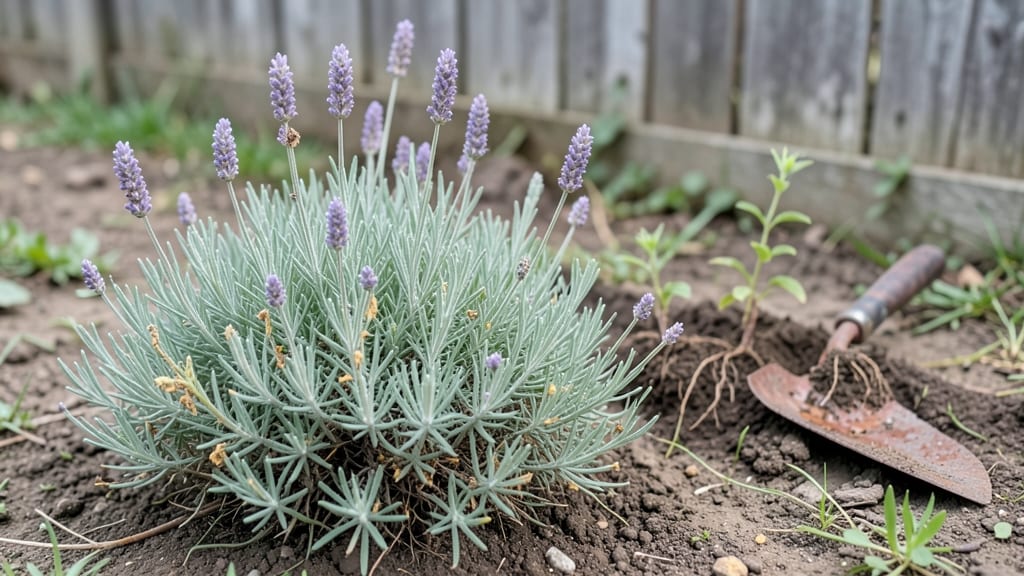
Here are lavender planting tips that will turn your garden into a fragrant retreat when planted in well-drained soil. I learned the hard way—my first lavender wilted after heavy rain because the soil stayed soggy.
The key is starting with the right mix: sandy loam or a blend with perlite and coarse sand to mimic its Mediterranean roots.
Timing matters too: plant in early spring after the last frost or in fall when temperatures drop below 80°F. Space plants 18–24 inches apart to prevent overcrowding, and dig holes twice as wide as the root ball but only slightly deeper.
Water lightly after planting, but resist the urge to drown them—lavender hates wet feet.
📚 In This Guide
- What you need
- Instructions
- Tips and common mistakes
- Wrapping up and next steps
What you need
- ● Lavender plants: 3–5 healthy nursery-grown plants (choose Lavandula angustifolia, Lavandula x intermedia, or Lavandula dentata for best results).
- ● Well-draining soil: 1–2 cubic yards of sandy loam or gravelly soil (pH 6.5–7.5). Mix in compost (1 part compost to 3 parts soil) for nutrients.
- ● Sunlight: A full-sun location (6+ hours of direct sunlight daily).
- ● Watering can or hose: With a gentle spray nozzle (lavender hates soggy roots!).
- ● Pruning shears: Sharp, clean bypass pruners (sterilize with rubbing alcohol).
- ○ Mulch (optional but recommended): Gravel or pebbles (1–2 inches deep) to improve drainage and suppress weeds.
- ● Soil amendments: Perlite or coarse sand (to boost drainage in heavy clay soil).
- ● Fertilizer: Low-nitrogen, phosphorus-rich fertilizer (e.g., 5-10-10 ratio) applied once in early spring.
- ● Drip irrigation kit: For consistent moisture without overwatering.
- ● Plant markers: Stakes or labels to track varieties (especially useful for large gardens!).
- ● Gloves: Garden gloves to protect hands from prickly stems.
Step-by-step instructions for planting lavender
Here’s how to plant lavender for a thriving, fragrant garden that lasts for years.
Choose the Right Location and Prepare the Soil
Lavender thrives in full sun—at least 6-8 hours of direct sunlight daily. If your garden gets less, pick a spot where it gets the most sun possible, even if it’s not perfect. The soil must be well-drained, as lavender hates soggy roots. If your soil is heavy clay, mix in sand or gravel to improve drainage before planting.
Test the soil by squeezing a handful—if it stays in a tight ball, it’s too dense. Amend it with coarse sand or perlite to create a loose, gritty texture. Avoid fertilizing at planting; lavender prefers lean soil. The goal is soil that feels dry and crumbly, not sticky or wet.
Dig Holes and Space Plants Properly
Dig holes twice as wide as the lavender’s root ball but only as deep as the container it came in. Space plants 18-24 inches apart—this gives them room to grow without crowding, which reduces air circulation and invites disease. If planting in rows, keep 3 feet between rows for easy maintenance.
Gently remove the plant from its container, loosening any circling roots with your fingers. Place it in the hole so the top of the root ball sits just below soil level—burying too deep can suffocate the plant. Fill in around the roots with the amended soil and press lightly to eliminate air pockets.
Water Deeply and Establish the Plant
Water deeply right after planting to settle the soil and encourage root growth. Use 1-2 gallons of water per plant, letting it soak in slowly. After that, water sparingly—lavender is drought-tolerant once established. Let the soil dry out completely between waterings; soggy soil is the fastest way to kill lavender.
Mulch lightly with gravel or small rocks around the base to retain heat and discourage weeds, but keep mulch 2-3 inches away from the stem to prevent rot. Avoid organic mulch like wood chips, which can retain too much moisture. Within 2-3 weeks, you’ll see new growth—a sign the plant is rooting in and thriving.
Prune and Maintain for Long-Term Health
Prune lavender once a year in late spring or early summer, right after the plant finishes flowering. Cut back one-third of the woody stems to encourage bushier growth and prevent woody, leggy stems. Use clean, sharp pruners and make cuts just above a set of leaves or a bud.
Deadhead spent flowers in early fall to prevent seed heads from forming, which can weaken the plant. Avoid heavy pruning in fall or winter, as lavender needs its foliage to protect it from cold. With proper care, your lavender will reward you with fragrant blooms for years—and minimal effort once established.
Tips & tricks for perfect lavender planting
A few simple tricks will help you establish healthy lavender plants that thrive for years with minimal effort.
Sunlight is Non-Negotiable: Lavender absolutely demands that 6-8 hours of direct sunlight daily. If your garden doesn't get full sun, consider planting in a raised bed where you can control the environment better. I've seen lavender struggle in partial shade—it simply won't bloom as well or grow as vigorously. Trust me on this: the more sun, the better the fragrance and growth.
Soil Preparation is Key: The soil test you do by squeezing a handful is crucial. If it forms a tight ball, you absolutely need to amend it with coarse sand or perlite. I've made the mistake of skipping this step, and my lavender plants struggled terribly. Aim for soil that feels dry and crumbly—like a handful of sand—rather than sticky or wet. This gritty texture mimics lavender's natural Mediterranean habitat.
Watering Wisdom: That initial deep watering with 1-2 gallons per plant is essential for establishing roots, but after that, resist the urge to overwater. Lavender's native environment is dry, so let the soil dry completely between waterings. I've seen many gardeners drown their lavender by keeping it too moist, which leads to root rot. The plant will tell you when it's thirsty—it starts looking wilted and droopy.
Pruning Strategy: When you prune those woody stems in late spring, focus on cutting just above a set of leaves or a bud. This encourages new growth from the right places. I've learned the hard way that cutting too close to the base can leave ugly scars and reduce flowering. Also, avoid heavy pruning in fall or winter—the plant needs its foliage to protect it from cold weather. Think of pruning as a way to shape the plant while encouraging more blooms.
Pro Tips for Lavender Planting Tips
- A few simple tricks will help you establish healthy lavender plants that thrive for years with minimal effort.
- Sunlight is Non-Negotiable: Lavender absolutely demands that 6-8 hours of direct sunlight daily.
- Soil Preparation is Key: The soil test you do by squeezing a handful is crucial.
Frequently asked questions
Got questions about growing lavender?
You’re not alone! Here are answers to the most common queries to help you cultivate fragrant perfection with ease.
When is the best time to plant lavender?
Plant lavender in early spring or early fall when temperatures are mild (50–75°F). Avoid extreme heat or frost, as lavender is sensitive to both. If you must plant in summer, do it in the morning or evening to reduce stress from heat and sun exposure.
How long does it take for lavender to grow and bloom?
Lavender grows slowly but steadily. Expect 1–2 years for established plants to reach full size (1–3 feet tall). Blooms typically appear in late spring to summer, with some varieties reblooming in fall. Patience pays off—healthy plants reward you with fragrance and beauty!
Why is my lavender turning yellow or brown?
Yellowing or brown leaves often signal overwatering or poor drainage. Lavender thrives in well-drained soil and hates soggy roots. If your plant is wilting or dropping leaves, check the soil—it should dry out completely between waterings. Trim dead growth and adjust your watering routine.
Can I grow lavender in containers?
Lavender adapts well to containers if you use a fast-draining mix (like cactus soil with perlite). Choose a pot with drainage holes and place it in full sun. Dwarf varieties (e.g., ‘Hidcote’ or ‘Munstead’) are ideal for small spaces. Just avoid overcrowding—give roots room to breathe!
Does lavender attract bees or pests?
Lavender is a bee magnet—its flowers provide nectar, making it a pollinator-friendly plant! However, it’s generally pest-resistant. If you spot aphids, spray with water or use neem oil. Avoid chemical pesticides, as they can harm bees and harm lavender’s delicate blooms.
Can I grow lavender in hot or cold climates?
Lavender prefers USDA Zones 5–9 but struggles in humid climates (like the Southeast). For hot areas, plant in partial shade to prevent leaf scorch. In cold zones, mulch lightly in winter and choose hardy varieties like English lavender. Avoid frost-prone spots—lavender dislikes damp, chilly soil.
Wrapping up and next steps
Planting lavender is a rewarding journey that brings beauty, fragrance, and tranquility to your garden—and you’ve got all the expert tips to make it thrive! 🌿✨ From choosing the right soil to mastering spacing and sunlight, these steps ensure your lavender blooms with perfection.
Now that you’re armed with knowledge, grab your gloves, pick a sunny spot, and get ready to cultivate your fragrant oasis.
Ready to dive in? Start planting today! Whether you’re a beginner or a seasoned gardener, every lavender stalk you nurture will thank you with months of color and scent.