
Companion Plants
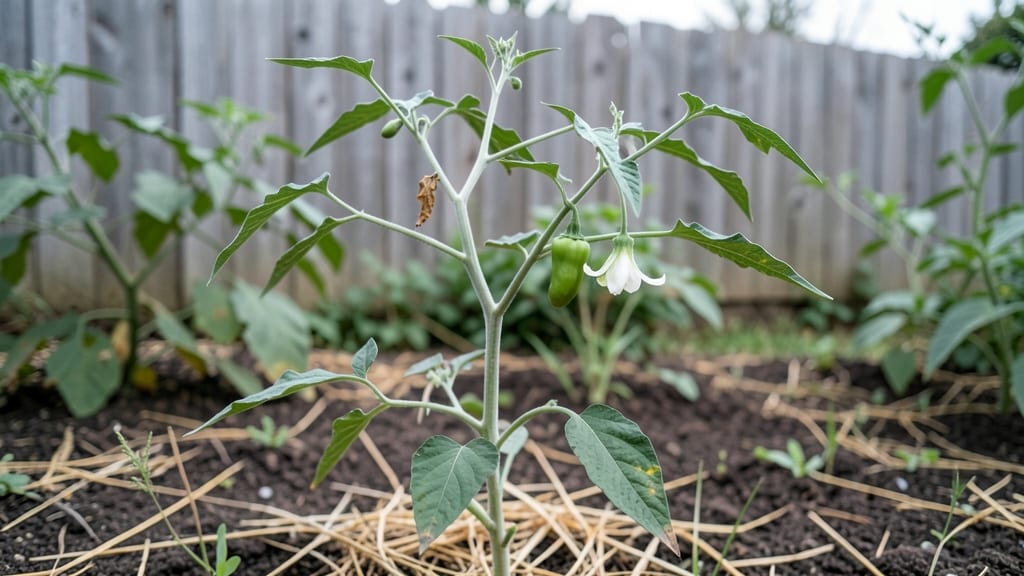
Leggy pepper plants are a common frustration that robs you of the compact, productive bushes you planted for. I’ve spent years perfecting a 3-prune method that transforms weak, stretched seedlings into sturdy, bushy plants ready to bear fruit—no matter how far they’ve already leaned.
The key isn’t just cutting back but understanding why they stretch in the first place, so you can fix the root cause while you prune.
The real culprits are usually insufficient light, overcrowding, or planting too deep, which forces seedlings to reach for survival. My method tackles all three: strategic pruning to encourage branching, adjusting sunlight exposure, and—if needed—transplanting deeper to stabilize the stem.
You’ll see new side shoots within 10-14 days, and those leggy stems become the framework for a stronger plant. No more weak, floppy growth that collapses under pepper weight.
What you’ll end up with is a pepper plant that looks like it belongs in a nursery display—thick stems, multiple branches, and leaves spaced just right for airflow. The pruning itself takes under 15 minutes, and the results last all season.
Plus, you’ll prevent future legginess by spacing seeds properly (2 inches apart) and using grow lights if your natural light is weak. This isn’t just damage control; it’s a reset for your plants’ growth habits.
Works for all pepper varieties—bell, jalapeño, or habanero—and adapts to containers or in-ground beds. The same principles apply whether you’re dealing with seedlings or mature plants that’ve outgrown their space. Let’s turn those spindly stems into the strong foundation your harvest deserves.
The Real Culprits Behind Stretched Plants
Leggy pepper plants aren’t just an aesthetic issue—they’re a cry for help from your plants! Understanding the root causes (literally and figuratively) is the first step to fixing them.
Below, we break down the science behind why your peppers stretch toward the sky like they’re reaching for the clouds—so you can take action and bring them back to their bushy best.
Pepper plants are sun-worshippers, and when they don’t get enough light, they stretch (a process called etiolation) to maximize their exposure to whatever sunlight they can scavenge. Here’s why this happens:
- Photosynthesis slowdown: Light is the fuel for photosynthesis, the process that turns sunlight into energy.
Without enough of it, plants prioritize growing taller to access more light over producing leaves or fruit. - Weak cell walls: Low light triggers the production of auxin, a plant hormone that elongates stems while weakening cell walls.
This makes plants tall, spindly, and prone to snapping. - Reduced chlorophyll: Less light means fewer chlorophyll-rich leaves, so the plant compensates by growing more stem to support what little foliage it has.
Actionable fix: Move your plants to a south-facing window (or under grow lights for 12–16 hours daily). If outdoors, ensure they get 6–8 hours of direct sunlight. For indoor growers, LED or fluorescent grow lights (with a color temperature of 5000–6500K) are your best bet.
Pepper plants thrive in warmth, and extreme temperatures—whether too hot or too cold—can trigger leggy growth. Here’s how:
- Cold stress: Temperatures below 55°F (13°C) slow down metabolic processes, causing plants to stretch in a desperate bid to warm up.
This is especially common for seedlings or plants in early spring. - Heat stress: While peppers love heat, excessive daytime temps above 90°F (32°C) can scorch leaves, reducing photosynthesis.
The plant responds by growing taller to escape the heat (a phenomenon called thermomorphogenesis). - Nighttime temperature swings: A large gap between day and night temps (more than 20°F) can disrupt hormone balance, leading to weak, leggy stems.
Actionable fix:
- Keep daytime temps between 70–85°F (21–29°C) and nighttime temps above 60°F (16°C).
- Use shade cloth (30–50%) on scorching days.
- For seedlings, bottom heat mats (70–75°F) can prevent cold stress.
When pepper plants are too close together, they compete for light and nutrients, leading to weak, stretched growth. But it’s not just about space—poor airflow also plays a role:
- Competition for light: In crowded conditions, plants grow taller to outcompete neighbors, resulting in leggy, unstable stems.
- Humidity buildup: Stagnant air traps moisture, creating a high-humidity microclimate that encourages fungal diseases (like powdery mildew) and weakens stems.
- Root restriction: Overcrowded roots struggle to absorb water and nutrients efficiently, forcing the plant to grow upward for survival.
Actionable fix:
- Space plants 18–24 inches apart (or follow variety-specific spacing guidelines).
- Prune lower leaves to improve airflow and reduce humidity around the base.
- If growing in containers, ensure drainage holes and use well-aerated potting mix.
Leggy growth can also stem from nutritional mismanagement, particularly an overabundance of nitrogen or deficiencies in phosphorus and potassium.
- Excess nitrogen: While nitrogen fuels leafy growth, too much (especially early in the season) promotes soft, weak stems and excessive foliage at the expense of sturdy structure. - Phosphorus deficiency: This nutrient is crucial for root and flower development.
Without enough phosphorus, plants prioritize stem growth to reach light sources. - Potassium deficiency: Potassium strengthens cell walls. A lack of it leads to weak, floppy stems that can’t support the plant’s weight.
Actionable fix:
- Balance your fertilizer: Use a low-nitrogen, high-phosphorus/potassium ratio (e.g., 5-10-10 or 3-4-6) once plants are established.
- Flush the soil every 4–6 weeks to prevent salt buildup from fertilizers.
- Add compost or worm castings for slow-release nutrients and microbial health.
Even after you’ve given your peppers the perfect conditions, transplant shock or root damage can cause leggy regrowth. Here’s how:
- Root disturbance: When roots are damaged during transplanting, the plant diverts energy to regrowing roots instead of strengthening stems, leading to weak, stretched new growth.
- Delayed acclimation: Seedlings moved too quickly from cozy indoor conditions to harsh outdoor environments (or vice versa) can go into survival mode, growing tall to adapt.
- Waterlogging or drought stress: Roots that are too wet or too dry struggle to absorb nutrients, forcing the plant to prioritize stem elongation.
Actionable fix:
- Hardening off seedlings gradually (5–7 days of outdoor acclimation before full transplant).
- Water deeply but infrequently to encourage deep root growth.
- Use root stimulators (like mycorrhizal fungi or seaweed extract) to help damaged roots recover faster.
Revive Tall, Leaning Pepper Plants
Now that you understand why your pepper plants stretch like overenthusiastic sunbathers, let’s roll up our sleeves and bring them back to their compact, productive selves! The good news? Most leggy pepper plants can bounce back with a few targeted fixes—no sad, spindly stems required.
Below, we’ll tackle the most common causes and map them to simple, actionable solutions.
If your peppers are stretching toward the sky like they’re auditioning for a ballet, they’re begging for more light. Here’s how to correct it:
🔥 Step 1: Move Them to a Sunnier Spot
- Immediate fix: Relocate your peppers to a spot that gets 6–8 hours of direct sunlight daily.
South- or west-facing windowsills or a sunny patio are ideal. - Greenhouse/grow light hack: If outdoor space is limited, supplement with a full-spectrum LED grow light (12–16 hours/day).
Place it 6–12 inches above the plants and adjust as they grow. - Prevention tip: 🌡️ Start seedlings indoors with a grow light (not just a regular bulb) to avoid legginess from the get-go.
🍳 Step 2: Prune Strategically to Encourage Bushiness
- Trim the top: Snip off the top 1–2 inches of the main stem just above a leaf node (where leaves grow).
This redirects energy to lateral branches. - Pinch side shoots: If your plant has long, bare stems, gently pinch off the top 1–2 sets of leaves to encourage branching below. - Pro tip: ✨ Use clean, sharp scissors (or your fingers for small pinches) to avoid damaging the plant.
Prune in the morning so wounds heal by nightfall.
👨🍳 Step 3: Support Weak Stems
- Stake or cage: If stems are floppy, insert a small tomato cage or bamboo stake beside the plant and gently tie the main stem to it with soft plant ties or old T-shirt strips.
- Weight training (literally): For extra support, place a small rock or clay pot near the base to anchor the plant without crushing roots.
When peppers compete for space, they’ll stretch upward instead of outward. Here’s how to give them room to breathe:
🔪 Step 1: Thin Out the Garden
- Dig up and repot: If seedlings are too close, carefully transplant the leggiest ones to their own pots (6–8 inches deep) with fresh potting mix.
- Space them out: In the ground, ensure peppers are 18–24 inches apart (check your variety’s needs—some like jalapeños need less space than bell peppers).
- Prevention tip: 🎯 Start with the right spacing!
If planting in rows, leave 3 feet between rows for airflow and root growth.
🌱 Step 2: Fertilize for Stronger Roots
- Balanced feed: Use a 5-10-10 or 10-10-10 fertilizer (low in nitrogen, which promotes leafy growth over roots).
Follow label instructions for dosage. - Compost boost: Mix 1–2 inches of compost into the soil at planting time to improve drainage and nutrient uptake. - Avoid overwatering: 💡 Water deeply 1–2 times per week (check soil moisture—top inch should be dry). Soggy soil = weak roots.
Peppers are tropical divas—they hate cold drafts and love warmth. If they’re stretching toward heat sources, they’re in distress:
⏰ Step 1: Regulate Your Growing Environment
- Keep them warm: Peppers thrive in 70–85°F during the day and 60–70°F at night.
Use a heat mat for seedlings or move potted plants indoors if temps dip below 50°F. - Avoid cold drafts: 🌡️ Keep them away from windows, doors, or AC vents that create sudden temperature swings. - Humidity help: If air is dry (common indoors), place a humidity tray (pebble tray with water) nearby or mist leaves lightly in the morning.
🌿 Step 2: Harden Off Gradually
- If you’re transitioning seedlings outdoors, acclimate them slowly over 7–10 days: 1. Start with 1–2 hours of sunlight/day, then increase by 1–2 hours daily.
- Bring them back inside at night for the first few days. - Prevention tip: ✨ Use shade cloth (30–50%) on hot days to prevent sunburn while they adjust.
Once your peppers perk up, keep them bushy with this proactive pruning routine:
| When to Prune | What to Do | Why It Works |
|---|---|---|
| Seedling stage | Pinch off the top set of leaves when the plant has 2–3 true leaves. | Encourages branching early. |
| 4–6 weeks after transplant | Remove the top 1–2 inches of the main stem. | Promotes lateral growth for more flowers. |
| During flowering | Trim succulent (soft) growth near the base. | Redirects energy to fruit production. |
Bonus tip: 💡 If your peppers are still leggy after pruning, they might be root-bound. Gently loosen roots and repot into a larger container (1–2 inches wider) if growing in pots.
Remember: Patience is key! Leggy peppers may take 2–4 weeks to recover, but with the right care, they’ll reward you with bushier growth, more flowers, and a bumper crop of peppers. Now go forth and prune like a pro! 🌶️✂️
Frequently asked questions about leggy pepper plants
Why do my pepper seedlings grow so tall and thin?
Leggy seedlings usually result from insufficient light or cool temperatures. When peppers don't get enough sunlight, they stretch (etiolation) to reach light sources, creating weak stems. Cold soil below 60°F (16°C) also slows growth, making plants grow upward instead of outward. The fix? Move them to a sunnier spot or use grow lights for 12+ hours daily.
Can I still save a severely leggy pepper plant?
Start by pruning the top 1-2 inches just above a leaf node to encourage branching. Add support with a small stake or cage, and move the plant to a brighter location. Within 2-3 weeks, you should see new side shoots forming. For extra help, use a balanced fertilizer (5-10-10 ratio) to strengthen roots and stems.
How often should I prune leggy pepper plants?
For best results, prune leggy peppers once every 2-3 weeks during the growing season. Focus on removing the top growth just above leaf nodes to prompt branching. Avoid over-pruning—never remove more than 25% of the plant's foliage at once. The goal is to create a bushier shape while maintaining the plant's ability to photosynthesize.
Will leggy pepper plants still produce fruit?
Yes, but they may produce fewer peppers than healthy, bushy plants. Leggy stems can snap under fruit weight, and the plant may prioritize stem growth over flowering. However, with proper pruning and support, you can encourage fruit production. Focus on removing leggy growth below the first 5-6 inches to redirect energy to fruit-bearing branches.
Can I prevent leggy growth in future pepper plants?
Prevention starts with proper spacing (18-24 inches apart) and adequate light from day one. Use grow lights for seedlings (12-16 hours daily) and harden off plants gradually before transplanting outdoors. For containers, choose pots at least 12 inches deep and use well-draining soil. Finally, maintain consistent temperatures between 70-85°F (21-29°C) during the day.