Propagation
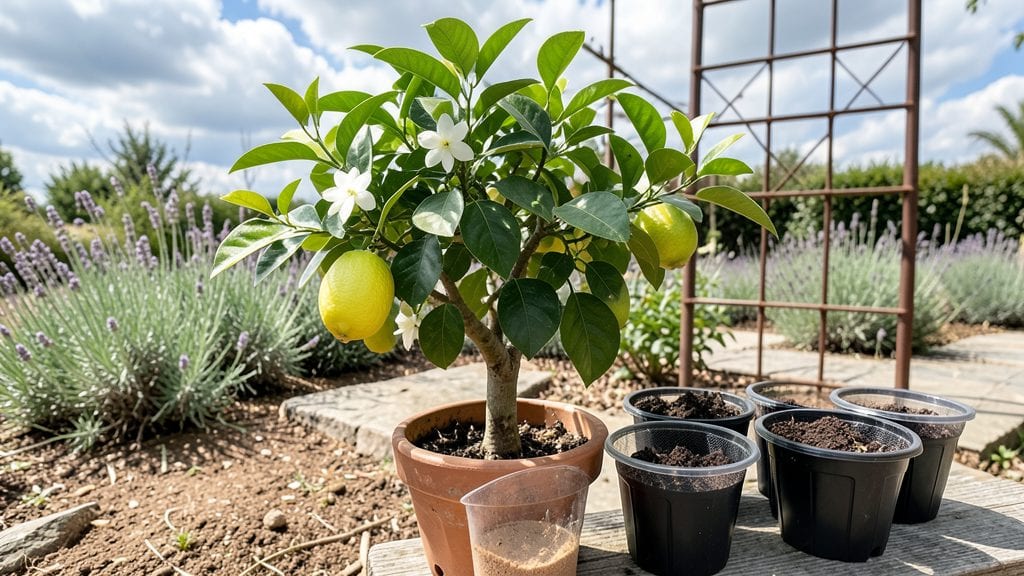
Fast lemon plant propagation doesn’t require patience—just a sharp pair of shears and a sunny windowsill. 🌱 I’ve rooted cuttings in just two weeks using nothing but water and a plastic bag, and the results are hard to ignore: lush, leafy stems ready to transplant.
The best part? You’ll skip the nursery price tag and end up with plants that stay true to the parent’s sweet, fragrant blooms and—with time—even fruit.
This method works best with 4-6 inch semi-hardwood cuttings taken in late spring or early summer, when the plant’s energy is focused on growth. You’ll need clean scissors, rooting hormone (optional but helpful), and either water or a well-draining soil mix.
Most people overthink the soil part—just grab a basic potting mix and you’re set. The real secret is keeping humidity high while roots form, whether you’re using a jar of water or a simple DIY greenhouse.
By the time those first roots appear—10-14 days in—you’ll have a thriving young plant that’s already stronger than anything from a store. The foliage stays vibrant, the growth is steady, and the citrus scent becomes impossible to ignore.
Best of all, you’ll know exactly how your new tree was grown, from seedling to sapling. Here’s how to get started without the usual waiting game.
Works for Meyer lemons, Eureka varieties, or even that mystery lemon tree in your neighbor’s yard. Just remember: propagated plants may take 3-5 years to bear fruit, but the journey—especially the first flush of new leaves—is worth every minute. Let’s get those cuttings growing!
📚 In This Guide
- What you need
- Instructions
- Tips and common mistakes
- Wrapping up and next steps
What you need
- ● Healthy lemon plant cuttings: 4–6-inch stems with at least 2–3 leaf nodes (preferably from new growth). Use sharp, sterilized scissors or pruning shears.
- ○ Rooting hormone (optional but recommended): A small bottle (1–2 oz) of powder or gel formula to boost root growth.
- ● Water propagation: A clear glass or jar (8–12 oz) filled with filtered or distilled water.
- ○ Optional: Rooting tabs (like hydroponic clay pebbles) to keep stems submerged without touching the bottom.
- ● Soil propagation: A small pot (4–6 inches in diameter) with drainage holes.
- ● Well-draining potting mix: 50% perlite or coarse sand + 50% peat moss or coconut coir.
- ○ Optional: Sphagnum moss (for humidity retention) or a plastic bag (to create a mini greenhouse).
- ● Basic tools: Rubbing alcohol (70% or higher) and cotton swabs (to sterilize tools).
- ● A spray bottle (for misting soil or humidity control).
- ● Light: Bright, indirect sunlight (6+ hours/day). Avoid direct midday sun, which can stress cuttings.
- ● Temperature: Keep between 65–75°F (18–24°C)—warmth speeds up rooting!
- ● Humidity: Aim for 60–70% (use a humidity tray or mist daily if needed).
Step-by-Step lemon plant propagation: fast roots in minutes
Here’s the quickest way to grow new lemon trees—no waiting weeks for roots!
🌱 Step 1: Select and Prepare Healthy Cuttings
Choose a mature branch from your lemon plant with at least 3-4 leaves—this gives the cutting energy to root. Use clean, sharp pruning shears to make a 45-degree cut just below a leaf node (that little bump where leaves grow). This angled cut maximizes surface area for root growth.
Strip the lower leaves off the stem, leaving only the top 2-3 leaves. This reduces moisture loss while the cutting focuses on rooting. I like to dip the cut end in rooting hormone powder (optional but speeds things up). If you skip it, just make sure the cut is fresh—no dried edges!
💧 Step 2: Root in Water for Fast Results
Fill a clean glass with room-temperature water and place the cutting so the stripped stem sits 1-2 inches underwater, leaving the leaves above. Change the water every 3-4 days to prevent bacterial growth. You’ll see tiny white roots forming in as little as 2 weeks—sometimes even faster!
Keep the glass in bright, indirect light (no harsh sun). A windowsill facing east or west works perfectly. If you notice the water getting cloudy before roots appear, that’s a sign it’s time for a fresh change. Roots mean it’s ready for soil—no waiting months!
🪴 Step 3: Transfer to Soil When Roots Are Ready
Once roots reach 1-2 inches long, it’s time to plant! Fill a 6-inch pot with well-draining potting mix (I mix 50% potting soil with 50% perlite for extra airflow). Gently place the cutting into the soil, burying the roots and the lower stem up to the first set of leaves.
Water lightly to settle the soil, then place the pot in bright, indirect light for a week to help it adjust. Avoid direct sun at first—it can stress the new plant. You’ll know it’s thriving when fresh growth appears in 2-3 weeks. That’s your signal to start fertilizing lightly!
☀️ Step 4: Acclimate to Sun and Care for Growth
After 10-14 days in soil, gradually introduce the plant to morning sun (2-3 hours daily). Over 2 weeks, increase sun exposure until it gets 6+ hours of bright light per day. This slow transition prevents leaf scorch—trust me, I’ve seen it happen!
Water when the top inch of soil feels dry, but don’t let it sit soggy. Lemon plants hate wet feet! Once established, fertilize every 4-6 weeks with a balanced citrus fertilizer to keep it happy. Watch for new leaves—each one means your cutting is officially a thriving lemon tree!
Tips & tricks for perfect lemon plant propagation
Here's how to supercharge your lemon plant propagation for those fast, stunning roots!
Timing Secret: The 2-week rooting window in water is your golden opportunity! Check your cuttings every 3-4 days for the first signs of tiny white roots. If you notice roots forming before the full 2 weeks, you can transfer to soil sooner—just make sure they're at least 1/2 inch long for stability. I've seen roots appear in just 7-10 days with ideal conditions!
Lighting Hack: That bright, indirect light in Step 2 is non-negotiable! If your windowsill isn't bright enough, supplement with a grow light for 6-8 hours daily. I place my cuttings under a simple LED grow bulb in the evenings when natural light fades. The key is keeping leaves vibrant green—not yellow or brown.
Rooting Hormone Game-Changer: While rooting hormone is optional, it can cut your rooting time by nearly half! I use a simple powder form—just dip the cut end and let excess shake off. For even faster results, try gel rooting hormone which stays put better. If you skip it, make absolutely sure your cut is fresh and your water is room temperature.
Soil Transition Tip: When moving your rooted cuttings to soil in Step 3, don't rush the bright indirect light requirement! I've seen new plants get leaf scorch within hours of direct sun exposure. Start with just 2-3 hours of morning sun on day 1, then gradually increase over those 2 weeks. Patience here means stronger plants!
Pro Tips for Lemon Plant Propagation
- Here's how to supercharge your lemon plant propagation for those fast, stunning roots!
- Timing Secret: The 2-week rooting window in water is your golden opportunity!
- Lighting Hack: That bright, indirect light in Step 2 is non-negotiable!
Frequently asked questions
Got questions about growing your own lemon tree from cuttings? We’ve got answers! Here are some of the most common queries—plus expert tips to help you succeed.
How long does it take for lemon cuttings to root in water?
With patience and the right conditions, lemon cuttings typically root in water within 2–6 weeks. Keep the water changed every 2–3 days, and place the jar in bright, indirect light. If you see tiny white roots (about 1–2 inches long), it’s time to transplant to soil!
Can I propagate a lemon plant from a store-bought lemon?
Yes! Store-bought lemons (organic, untreated) can work, but avoid conventional lemons—they’re often treated with fungicides that inhibit rooting. Instead, use a cutting from a healthy, disease-free lemon tree. For best results, choose a semi-hardwood cutting (pencil-thick) with 3–4 leaf nodes.
Should I use water or soil for lemon plant propagation?
Both work, but water is faster and lets you monitor root growth. For soil propagation, use a well-draining mix (like perlite + coconut coir) and keep it moist (not soggy). Water propagation is easier for beginners, while soil mimics natural conditions better for long-term success.
Why are my lemon cuttings turning yellow or mushy?
Yellowing or mushy cuttings usually mean rot or overwatering. If roots are black/mushy, trim them and replant in fresh water or dry soil. Ensure the cutting isn’t submerged too deep (just the lower nodes should touch water/soil). Also, check for pests like fungus gnats or bacterial infections—isolate the cutting if needed.
Can I propagate lemon plants in winter?
Winter propagation is possible, but growth slows due to lower light and cooler temps. Use a grow light if natural light is weak, and keep cuttings in a warm spot (65–75°F). Semi-hardwood cuttings taken in late winter/early spring root better than soft summer cuttings. Just be patient—roots may take longer!
Wrapping up and next steps
Growing your own lemon plant from cuttings is easier than you think—whether you choose water or soil propagation, you’re just a few steps away from a thriving citrus tree! 🌱 With patience and the right techniques, you’ll soon enjoy fresh lemons straight from your home.
Now that you’re armed with tips and answers, why not start your propagation today? Grab those cuttings and watch your green thumb grow!