Companion Plants
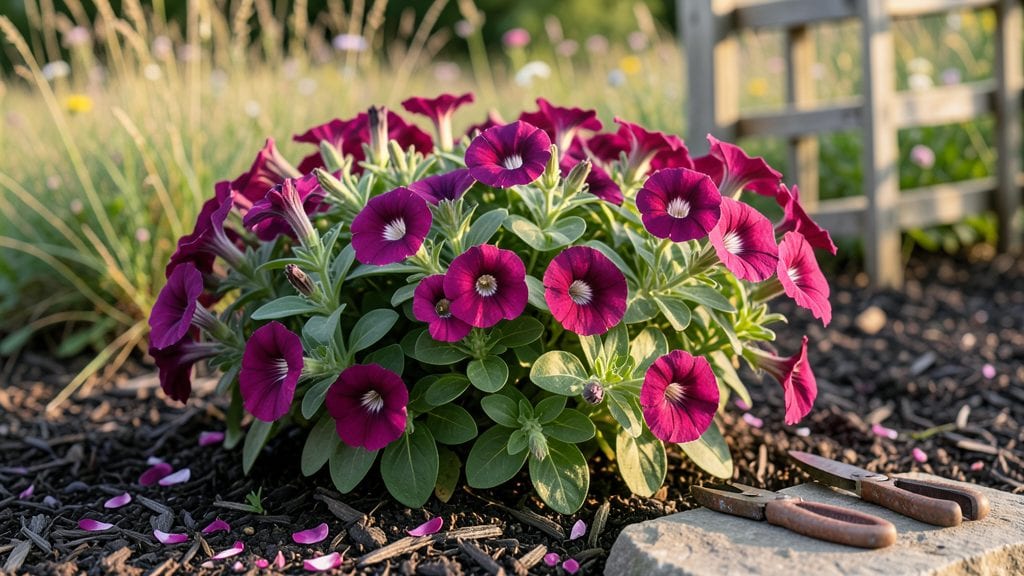
Live petunia plants bring instant color to any garden or container, and I’ve learned the secret to keeping them blooming like crazy with almost no fuss. 🌸 The key starts with picking sturdy plants at the nursery—look for ones with full, vibrant flowers and no yellowing leaves, because those are the ones that’ll reward you with weeks of nonstop blooms.
Once you bring them home, the real magic happens with just three basics: bright, indirect light for at least six hours a day, well-draining soil (mix in compost for extra nutrients), and watering only when the top inch of soil feels dry.
Overwatering is the #1 way to kill petunias, so let them tell you when they’re thirsty—droopy leaves mean it’s time to water, not drown.
With regular feeding (every two weeks with a balanced fertilizer) and deadheading spent blooms, you’ll have a petunia showstopper that lasts all season.
The flowers stay vibrant longer than you’d expect, and the plants bounce back from pests like aphids if you catch them early with a simple spray of soapy water.
Works just as well in hanging baskets, window boxes, or garden beds—just give them room to spread (12-18 inches apart) and they’ll fill in faster than weeds. Here’s how to keep them thriving from spring through fall.
Understanding Petunia Struggles
Petunias are beloved for their vibrant blooms and low-maintenance charm, but even the hardiest varieties can face challenges that dim their beauty. If your live petunia plants aren’t thriving, the issue often stems from a mix of environmental, cultural, or biological factors.
Below, we break down the most common causes—and why they happen—so you can diagnose and fix the problem like a pro.
Petunias hate soggy roots. When soil stays too wet for too long, root rot sets in, cutting off oxygen and nutrients.
This is especially true in: - Clay-heavy soils (which compact and trap moisture). - Containers without drainage holes (water pools at the bottom). - Overzealous watering schedules (petunias prefer consistent moisture, not constant saturation).
Why it happens: Fungi like Phytophthora and Pythium thrive in waterlogged conditions, attacking roots and stunting growth. Even if your petunias look fine above ground, yellowing leaves, wilting, or mushy stems are red flags.
Actionable fix:
- Test your soil’s moisture by sticking your finger 1–2 inches deep. Water only if it’s dry.
- Amend heavy soil with perlite or sand to improve drainage.
- Use self-watering pots with a moisture meter to avoid guesswork.
On the flip side, petunias wilting dramatically or dropping buds can signal thirst. Unlike succulents, petunias need even moisture to keep their cells plump and blooms vibrant.
Why it happens:
- High heat + low humidity causes water to evaporate faster than roots can absorb it.
- Shallow root systems (common in young plants) struggle to reach deep water sources.
- Ignoring wilting signs—by the time leaves crisp, the damage is often irreversible.
Actionable fix:
- Water deeply 2–3 times per week (more in extreme heat).
- Mulch with straw or bark to retain soil moisture.
- Group petunias with thirsty companions (like salvias or marigolds) to create a microclimate.
Petunias are heavy feeders, especially during bloom season. If they’re not getting the right nutrients, you’ll see:
- Yellow leaves (nitrogen deficiency).
- Pale or small flowers (phosphorus lack).
- Stunted growth or weak stems (potassium or micronutrient issues).
Why it happens:
- Poor-quality soil (lacking organic matter) depletes nutrients quickly.
- Over-reliance on synthetic fertilizers can cause salt buildup, burning roots.
- Improper pH levels (petunias prefer 6.0–7.0; acidic or alkaline soil locks out nutrients).
Actionable fix:
- Feed every 2–3 weeks with a balanced liquid fertilizer (10-10-10 or 20-20-20).
- Use compost or worm castings for slow-release organic nutrients.
- Test soil pH with a kit—amend with lime (to raise pH) or sulfur (to lower it) if needed.
Petunias attract aphids, spider mites, whiteflies, and fungal diseases like powdery mildew or botrytis. These pests and pathogens sap energy, leading to:
- Sticky leaves (aphid honeydew).
- Webbing or speckled foliage (spider mites).
- Gray mold on buds (botrytis blossom rot).
- White powdery coating (powdery mildew).
Why it happens:
- Crowded plants reduce airflow, trapping humidity and inviting fungi.
- Weakened plants (from stress or poor care) are easier targets for pests.
- Overhead watering keeps leaves damp, promoting fungal growth.
Actionable fix:
- Inspect leaves daily—catch pests early with a strong spray of water or neem oil.
- Prune for airflow—remove crowded stems and dead blooms.
- Avoid watering at night to keep foliage dry.
- Use row covers in early spring to block pests before they arrive.
Petunias love sun but hate heat stress or frost.
If they’re struggling: - Leggy, sparse blooms = too much shade (they need 6+ hours of sunlight daily). - Dropped buds or scorched leaves = intense afternoon sun (especially in hot climates). - Blackened or mushy stems = frost damage (they die at below 32°F/0°C).
Why it happens:
- Partial shade (from trees or buildings) starves petunias of light, leading to weak, stretchy growth.
- Heatwaves cause transpiration stress, making leaves crisp or buds abort.
- Late-season frosts kill tender petunia foliage overnight.
Actionable fix:
- Plant in full sun (morning sun + afternoon shade in hot zones).
- Use shade cloth (30–50%) in peak summer to protect from scorching.
- Move potted petunias indoors or to a garage before frost hits.
- Choose heat-tolerant varieties like ‘Wave’ or ‘Mitchell’ series for hot climates.
Even after repotting or moving petunias, they may wilt, drop leaves, or refuse to bloom for weeks.
This is transplant shock, caused by: - Root damage during digging or repotting. - Sudden environmental changes (e.g., moving from shade to full sun). - Improper handling (rough stems or buried stems too deep).
Why it happens: Petunias have delicate root systems that take time to recover. Stress triggers ethylene gas production, which signals the plant to drop leaves and conserve energy.
Actionable fix:
- Repot gently—loosen roots before transplanting to encourage regrowth.
- Water deeply after moving to reduce shock.
- Avoid fertilizing for 1–2 weeks post-transplant (focus on recovery first).
- Use rooting hormone if dividing petunias to speed up establishment.
Petunias aren’t aggressive, but poor companions can steal their resources:
- Invasive ground covers (like mint or creeping Charlie) smother roots.
- Heavy feeders (tomatoes, peppers) compete for nitrogen.
- Tall plants (sunflowers, corn) block sunlight.
Why it happens: Petunias thrive in well-draining, nutrient-rich soil. If neighbors compete for water or nutrients, they’ll show stress first.
Actionable fix:
- Pair with light feeders like marigolds, basil, or salvias.
- Mulch heavily to suppress weeds and retain moisture.
- Space petunias 10–12 inches apart to reduce competition.
Sometimes, hidden culprits like:
- Salt buildup (from tap water or over-fertilizing).
- Herbicide drift (from nearby lawn treatments).
- Alkaline soil (locks out iron, causing yellowing between veins).
Why it happens: Petunias are sensitive to sodium and chlorine in water. Over time, salts accumulate in the soil, burning roots and preventing nutrient uptake.
Actionable fix:
- Flush soil monthly with rainwater or distilled water to leach salts.
- Avoid herbicides (even "organic" ones) near petunias.
- Add compost or peat moss to improve soil structure and buffer pH.
Most petunia problems stem from simple mismatches between their needs and your care routine. By monitoring soil, water, and pests proactively, you’ll keep your live petunia plants blooming like champions—with minimal fuss! 🌸✨
Revive Your Petunias Fast
Petunias are resilient, but even the hardiest blooms need a little TLC when problems pop up. Below, we’ve mapped out practical fixes for common issues—plus prevention tips to keep your plants thriving. No green thumb required!
Fix it fast:
- Check the soil: Stick your finger 1–2 inches deep. If it’s soggy, your petunias are drowning. 💦
- Solution: Let the top layer dry out before watering again. Use a pot with drainage holes if growing in containers.
- Flush the roots: If overwatered, repot the plant in fresh, well-draining potting mix to prevent root rot.
- Boost nutrients: Yellowing from hunger? Feed with a balanced liquid fertilizer (like 10-10-10) every 2–3 weeks during blooming season.
Prevent it: ✅ Water wisely: Early morning is best—avoid evening watering to prevent fungal issues. ✅ Mulch matters: Add 1–2 inches of organic mulch (like shredded bark) to retain moisture and regulate soil temperature.
Fix it fast:
- Blast them off: Spray plants with a strong stream of water to dislodge aphids or mites. 💦
- Neem oil rescue: Mix 1 tsp neem oil + 1 tsp mild soap + 1 quart water, spray thoroughly (repeat every 5–7 days).
- Introduce predators: Ladybugs and lacewings love munching on pests—buy them online or attract them with companion plants like marigolds.
Prevent it: 🛡️ Inspect regularly: Check undersides of leaves weekly for early signs of pests. 🌿 Deter with herbs: Plant basil, mint, or lavender nearby—their scents repel many garden pests.
Fix it fast:
- Move to sunlight: Petunias crave 6+ hours of direct sun daily. If indoors, place near a south-facing window or use a grow light for 12–14 hours/day.
- Trim for shape: Snip back leggy stems to encourage bushier growth. 🌱 Pro tip: Cut just above a leaf node (where new growth sprouts).
- Hydrate deeply: Wilting often means thirst. Water at the base (not leaves) to avoid fungal diseases.
Prevent it: ☀️ Rotate pots: If growing in containers, turn them weekly so all sides get even sunlight. 🌡️ Shade cloth help: In scorching heat (above 90°F), use 30% shade cloth to protect delicate blooms.
Fix it fast:
- Soak the roots: Let the plant sit in 1 inch of water for 10–15 minutes to rehydrate (great for container-grown petunias).
- Flush salts: If using tap water, salts can accumulate. Rinse the soil with distilled or rainwater every few months.
- Adjust humidity: Brown edges in dry air? Place a pebble tray with water nearby or mist leaves lightly (avoid soggy foliage).
Prevent it: 💧 Water consistently: Inconsistent moisture causes stress. Stick to a schedule (e.g., every 2–3 days in summer). 🚫 Avoid tap water: If your water is hard, use filtered or bottled water for potted petunias.
Fix it fast: - Cut back on fertilizer: Too much nitrogen = lush leaves, no flowers.
Switch to a bloom-boosting formula (like 5-10-10). - Deadhead daily: Snip spent blooms above the next set of leaves to encourage new flowers. 🌸 - Pinch back growth: If petunias get too leggy, trim the tips to promote bushier, flower-heavy growth.
Prevent it: 🌞 Prioritize sun: Petunias will bloom more in full sun—even trailing varieties need bright light. 📅 Fertilize seasonally: Feed every 2 weeks in spring/summer, then reduce in fall/winter.
Fix it fast:
- Repot immediately: Remove the plant, trim black/mushy roots with sterilized scissors, and repot in fresh, sterile potting mix.
- Fungicide spray: Use copper fungicide or a baking soda spray (1 tsp baking soda + 1 quart water + a drop of soap).
- Isolate the plant: Fungal diseases spread fast—keep it away from healthy petunias until recovered.
Prevent it: 🧼 Sterilize tools: Clean pruners with rubbing alcohol between plants. 🌧️ Water at the base: Avoid wetting leaves to prevent fungal spores from taking hold.
Final Pro Tip: 💡 Keep a plant journal! Note when you water, fertilize, and repot. Patterns will help you spot issues before they become crises.
With these fixes, your petunias will bounce back—and stay vibrant with minimal fuss. Happy gardening! 🌼
Frequently asked questions about petunias
How do I choose healthy live petunia plants at the nursery?
Look for plants with vibrant, fully open blooms and dark green leaves—avoid any with yellowing or brown spots. Check the stems for firmness (not mushy) and roots for a healthy white color if potted.
Can I grow petunias in containers, and what size pots do they need?
Yes! Petunias thrive in containers with at least 6–8 inches of depth and drainage holes. For trailing varieties, use 12–14 inch pots to give roots room. Group 3–5 plants per container for a fuller look.
Why are my petunia leaves turning yellow?
Yellowing leaves usually mean overwatering (check for soggy soil) or nutrient deficiency. If lower leaves yellow first, it’s likely overwatering. If new growth yellows, feed with a balanced fertilizer (like 10-10-10).
How often should I fertilize petunias for maximum blooms?
Feed every 2 weeks during spring/summer with a bloom-boosting fertilizer (5-10-10 ratio). Reduce to once a month in fall. Always water before fertilizing to prevent root burn.
Are petunias annuals or perennials, and can I save them for next year?
Petunias are typically grown as annuals, but in mild climates (Zones 9–11), they may return as perennials. To overwinter, move potted plants indoors to bright light and reduce watering.