Diseases
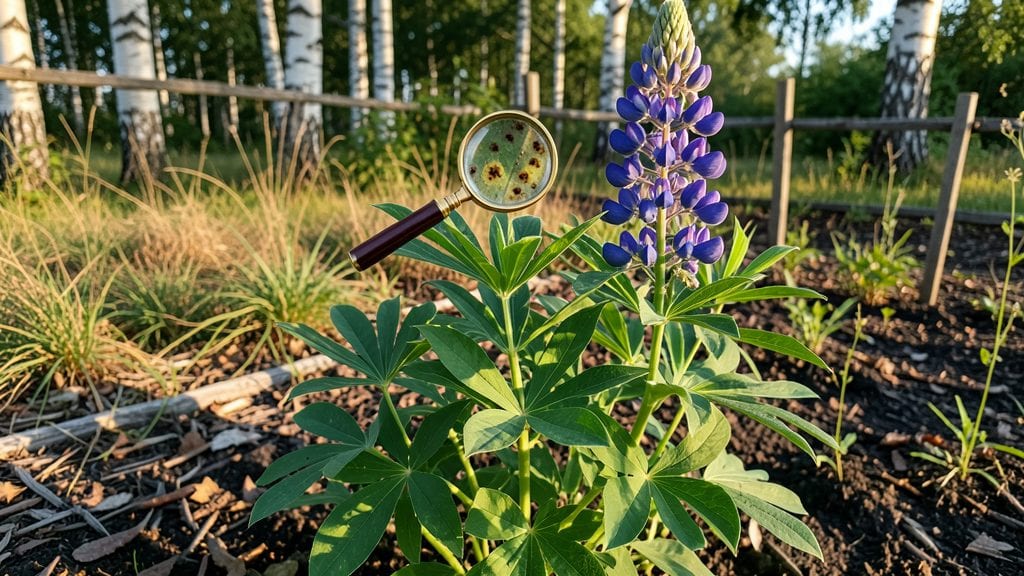
Lupine plant diseases can turn your vibrant purple blooms into a sad, spotted mess if you don’t catch them early. 🌿 I’ve watched my own lupines go from showstopper to sad in just a few weeks—until I learned the telltale signs of fungal infections like powdery mildew or root rot.
The good news? Most of these problems have simple fixes once you know what to look for.
Fungal diseases thrive when lupines are stressed—too much moisture, poor air circulation, or overcrowded plants create the perfect storm. My biggest mistake was ignoring the white fuzz on leaves until it spread to the stems.
Now I check for damp foliage, yellowing leaves, or stunted growth every time I water, and I adjust my care routine before problems start.
With the right organic remedies—neem oil sprays, copper fungicides, or even a baking soda solution—you can revive affected plants and prevent future outbreaks. The key is acting fast: prune infected parts immediately, improve airflow, and water at the base (never overhead) to keep those blooms lush and healthy all season.
Whether you’re dealing with powdery mildew in summer or root rot from winter rains, these strategies work for all common lupine diseases. Let’s get your plants back to their vibrant best before next season’s blooms arrive.
Underlying Causes Of Lupine Ailments
Lupine plants, with their striking blue-purple blooms and nitrogen-fixing superpowers, are a gardener’s dream—until disease strikes. When fungal pathogens take hold, they don’t just appear out of nowhere. Environmental stress, poor cultural practices, and even the plant’s own biology set the stage for trouble.
Let’s break down the root causes of lupine plant diseases so you can address them head-on.
Fungal spores thrive in damp, stagnant conditions, and lupines are no exception. When plants grow too close together, their foliage becomes a dense, humid canopy. This traps moisture, creating the perfect breeding ground for pathogens like Botrytis cinerea (gray mold) and Fusarium species.
Why it happens:
- Competition for nutrients: Overcrowding weakens lupines, making them more susceptible to stress-related infections.
- Stagnant air: Poor airflow prevents water from evaporating quickly, keeping leaves wet longer—ideal for fungal spores to germinate.
- Soil-borne pathogens: Dense planting allows fungal spores in the soil to spread more easily between plants.
Actionable fix: Space lupines 12–18 inches apart (depending on variety) and prune regularly to improve airflow. If growing in containers, ensure pots aren’t packed too tightly.
Lupines are drought-tolerant once established, but too much water is a fast track to fungal infections. Waterlogged soil suffocates roots, while soggy foliage invites diseases like Phytophthora root rot and downy mildew.
Why it happens:
- Poor drainage: Clay-heavy or compacted soil holds water against roots, creating anaerobic conditions that stress plants.
- Overhead watering: Wet leaves for extended periods allow spores to latch on and multiply.
- High humidity: Coastal or rainy climates keep lupines in a persistently damp state, accelerating fungal growth.
Actionable fix:
- Water at the base of plants (use drip irrigation or soaker hoses).
- Amend soil with compost or perlite to improve drainage.
- Avoid watering in the evening—allow foliage to dry before nightfall.
Fungal diseases often spike when lupines experience rapid temperature changes or prolonged humidity. For example, powdery mildew flourishes in warm (70–80°F), humid conditions, while rust fungi prefer cooler, wetter springs.
Why it happens:
- Nighttime dew: Condensation on leaves creates a film that fungal spores exploit.
- Sudden heat waves: Stress from heat weakens lupines, making them vulnerable to secondary infections.
- Poor ventilation in greenhouses: Enclosed spaces trap moisture, amplifying fungal pressure.
Actionable fix:
- Space plants for cross-ventilation, especially in greenhouses.
- Use shade cloth in peak summer to reduce heat stress.
- Water early in the day to allow foliage to dry before evening humidity sets in.
Lupines are nitrogen-fixers, but poor soil health or nutrient deficiencies (like phosphorus or potassium) weaken their natural defenses. Malnourished plants can’t fight off fungal invaders like Verticillium wilt or root rots.
Why it happens:
- Depleted soil: Over time, lupines deplete phosphorus, which is critical for root and flower development.
- Improper fertilization: Too much nitrogen (without balancing P/K) leads to lush, weak growth prone to disease.
- Compacted or acidic soil: Lupines prefer slightly alkaline soil (pH 6.0–7.0); extreme pH levels hinder nutrient uptake.
Actionable fix:
- Test soil and amend with bone meal (for P) or wood ash (to raise pH).
- Use a balanced fertilizer (10-10-10) in early spring to avoid nitrogen overload.
- Mulch with compost to improve soil structure and microbial activity.
Fungal spores can hitchhike on pruners, gloves, or even water from infected plants, spreading diseases like Sclerotinia stem rot across your garden.
Why it happens:
- Reused tools: Pruners or shovels contaminated with Fusarium or Phytophthora spores can transfer pathogens to healthy plants.
- Infected plant debris: Leaving old lupine stems or roots in the soil provides a reservoir for spores.
- Cross-contamination: Moving soil or mulch from diseased areas to new plantings spreads pathogens.
Actionable fix:
- Sterilize tools with rubbing alcohol or bleach solution between uses.
- Remove and dispose of infected plant material (do not compost if disease is severe).
- Avoid working in the garden when foliage is wet to minimize spore spread.
Quick Fixes for Lupine Fungal Woes
When your lupines start showing signs of distress—yellowing leaves, black spots, or stunted growth—it’s time to act. Fungal diseases can spread fast, but with the right approach, you can save your plants and prevent future outbreaks.
Below are targeted solutions for the most common lupine fungal issues, along with preventive tips to keep your garden thriving.
Cause: Erysiphe or Sphaerotheca fungi thrive in humid, shaded conditions, creating a white, powdery coating on leaves.
How to Fix It:
- 🧼 Remove Infected Parts: Prune and dispose of heavily infected leaves (don’t compost them—bag and trash them).
- 💦 Wash Leaves: Use a hose with a gentle spray to dislodge mildew from foliage. Do this in the early morning so leaves dry quickly.
- 🌿 Apply Fungicide: Spray with a neem oil solution (1 tsp neem oil + 1 tsp mild soap per quart of water) or a baking soda mix (1 tbsp baking soda + 1 quart water + a drop of soap). Reapply every 7–10 days until symptoms vanish.
- 🌞 Boost Airflow: Thin out overcrowded plants and space them 12–18 inches apart to improve air circulation.
💡 Prevention Tip: Water at the base of the plant (not overhead) and avoid late watering—wet leaves overnight invite mildew.
Cause: Puccinia or Uromyces spores cause orange-brown pustules on leaves, weakening the plant.
How to Fix It:
- 🗑️ Remove All Rusty Leaves: Cut off and dispose of infected foliage immediately to stop spore spread.
- 🛡️ Use Fungicidal Sprays: Apply a copper fungicide (like copper sulfate or copper hydroxide) every 10–14 days until new growth is rust-free.
- 🍂 Mulch Properly: Use straw or pine needles (not wood chips) to keep soil dry and reduce spore splash.
- 🌱 Rotate Plantings: Avoid growing lupines in the same spot year after year—fungi linger in the soil.
💡 Prevention Tip: Resistant varieties like Lupinus polyphyllus ‘Russell Hybrid’ tolerate rust better than others.
Cause: Phytophthora or Pythium fungi thrive in waterlogged, poorly drained soil, causing black, mushy roots.
How to Fix It:
- 💧 Fix Drainage: Amend soil with perlite, sand, or compost to improve aeration. If planting in containers, use a mix with 30% perlite or vermiculite.
- 🌱 Repot Infected Plants: Gently remove the plant, trim blackened roots, and replant in sterilized, well-draining soil.
- 🧴 Apply Hydrogen Peroxide: Soak roots in a 3% hydrogen peroxide solution (1 part peroxide to 4 parts water) for 10 minutes before replanting.
- ⚠️ Avoid Overwatering: Let the top 1–2 inches of soil dry out between waterings.
💡 Prevention Tip: Plant lupines in raised beds or on slopes where water drains quickly.
Cause: Alternaria or Septoria fungi create dark, circular spots with yellow halos, often in wet conditions.
How to Fix It:
- 🗑️ Prune & Destroy Spots: Snip off spotted leaves and sterilize pruners with rubbing alcohol between cuts.
- 🌿 Apply Organic Fungicide: Spray with a garlic or potassium bicarbonate solution (follow label instructions) every 10 days.
- 🚫 Isolate Plants: Keep infected lupines at least 3 feet away from healthy ones to prevent spread.
- 🌱 Improve Sanitation: Clean garden tools with bleach or alcohol and rotate crops to break the fungus cycle.
💡 Prevention Tip: Water early in the day so leaves dry before evening humidity sets in.
No matter the fungus, these universal steps help stop the spread:
- ✂️ Prune Regularly: Remove yellow or spotted leaves weekly.
- 🌿 Mulch Strategically: Use straw or gravel (not thick organic mulch) to keep foliage dry.
- 🌱 Strengthen Plants: Feed with a balanced fertilizer (10-10-10) in early spring to boost immunity.
- 🔄 Crop Rotation: Avoid planting lupines in the same spot for 3+ years.
🎯 Final Pro Tip: Act fast! Fungal diseases spread faster than you think—catch them early, and your lupines will bounce back stronger. 💪
Frequently asked questions about lupine plant diseases
What are the first signs of fungal infection in lupine plants?
Watch for white powdery coatings (powdery mildew), orange-brown pustules (rust), or dark circular spots with yellow halos (leaf spot diseases). Early symptoms also include yellowing leaves, stunted growth, or blackened stems—especially if your lupines are crowded or overwatered.
Can I save a lupine plant already showing severe disease symptoms?
It depends on the disease! For root rot, prune blackened roots and repot in sterilized soil. With powdery mildew or rust, remove infected foliage and apply fungicide immediately. If more than 50% of the plant is affected, consider removing it entirely to prevent spread.
Are there organic fungicides that work well for lupines?
Yes! Try a neem oil solution (1 tsp oil + 1 tsp soap per quart of water) for powdery mildew, or a baking soda spray (1 tbsp baking soda + 1 quart water). Copper fungicides also work against rust and leaf spots—just follow label instructions for safety. Always test sprays on a small area first.
How do I prevent lupine diseases before they start?
Space plants 12–18 inches apart for airflow, water at the base (never overhead), and avoid late watering. Use resistant varieties, rotate plantings every 3 years, and sterilize tools between uses to block fungal spread.
Why do my lupines get diseases more often in summer?
Summer’s high humidity and heat create perfect conditions for fungal spores to thrive. Poor airflow from dense foliage and frequent evening dew also contribute. To help, prune regularly, water early in the day, and use shade cloth if temperatures exceed 85°F.