Fertilization
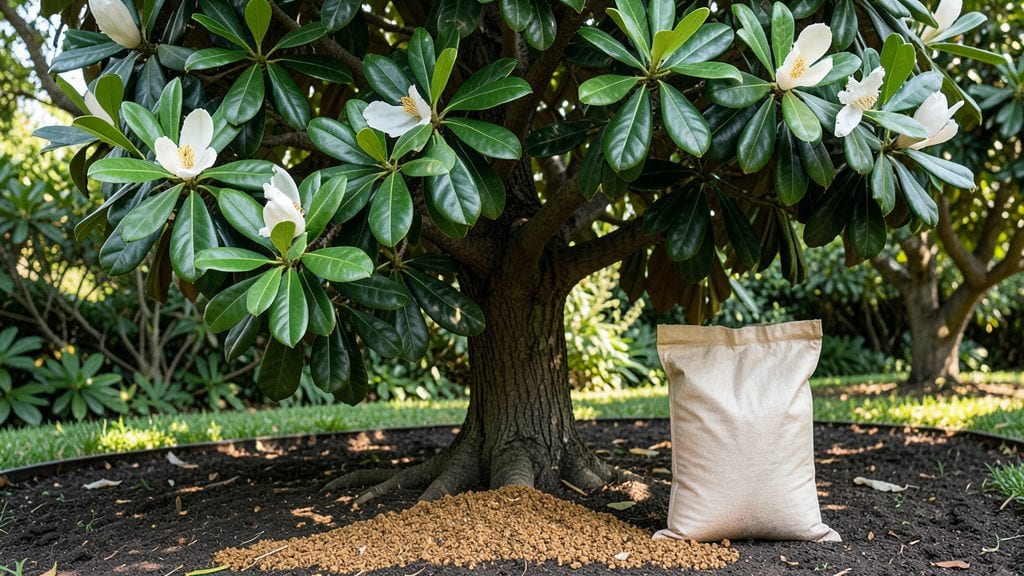
The right magnolia plant food transforms your yard from "pretty in spring" to "showstopper all year." ✨ I learned the hard way that generic fertilizers leave magnolias struggling—until I switched to an acid-loving formula tailored for their exact needs.
The difference? Thicker foliage, bigger blooms, and fewer yellowing leaves by midsummer.
Magnolias crave low pH soil (around 5.0–6.5) and micronutrients like iron and manganese, which most fertilizers ignore. Organic options like sulfur-coated urea or fish emulsion work, but synthetic blends designed for acid-loving plants cut prep time.
I apply mine in early spring and again after blooms fade—never in summer, when roots get stressed.
You’ll notice the change within 6–8 weeks: glossier leaves, sturdier stems, and blooms that last longer. The key is consistency—overdoing it burns roots, but skipping it leaves your magnolia starving for nutrients it can’t find elsewhere. Think of it as a slow-release energy boost, not a quick fix.
Works for both container-grown and in-ground magnolias, though potted plants need half the dose. Fair warning: If you’ve been using all-purpose fertilizer, your soil might need a pH test first—magnolias won’t forgive neglect. Here’s how to feed them right without the guesswork.
📚 In This Guide
- What you need
- Instructions
- Tips and common mistakes
- Wrapping up and next steps
What you need
- ● Acid-loving fertilizer: A balanced, slow-release fertilizer (e.g., Miracle-Gro Azalea, Camellia & Rhododendron Food) or a magnolia-specific fertilizer (e.g., Jobe’s Azalea, Camellia & Rhododendron Food). Look for a 16-4-8 or 10-10-10 NPK ratio with micronutrients like iron and manganese.
- ○ Organic amendments (optional but beneficial): Peat moss (5–10 lbs) – improves soil acidity and drainage.
- ● Pine bark fines (3–5 lbs) – adds organic matter and retains moisture.
- ● Sulfur (1–2 lbs) – lowers soil pH if needed (test first!).
- ○ Compost or well-rotted leaf mold (optional): 2–3 gallons to enrich soil naturally.
- ● Garden gloves – to protect your hands from soil and chemicals.
- ● Hand trowel or garden fork – for mixing amendments into the soil.
- ● Watering can or hose with a gentle spray nozzle – for even watering.
- ● pH testing kit – to ensure soil pH is between 4.5–6.0 (ideal for magnolias).
- ● Measuring cups/spoons – for precise fertilizer application.
- ○ Mulch (optional): 2–3 inches of pine straw or shredded bark to retain moisture and acidify soil over time.
How to feed magnolias for vibrant, year-round blooms
This is the acid-loving fertilizer routine I’ve used to coax dramatic spring blooms and keep my magnolias thriving through summer and fall.
🌱 Step 1: Test Soil pH Before Feeding
Magnolias demand acidic soil—aim for a pH of 5.0 to 6.0. Grab a soil test kit (or send a sample to your local extension office) to confirm levels. If your soil tests above 6.5, you’ll need to amend it first with elemental sulfur or pine fines before applying fertilizer. I’ve seen magnolias refuse to bloom when pH creeps above 7.0—the roots simply can’t access iron and manganese.
Dig a 6-inch deep hole near the drip line (not the trunk) and collect a soil sample. Test it immediately—don’t guess. If pH is already in range, you’re ready to feed. If not, adjust for 4-6 weeks before applying fertilizer, giving the soil time to stabilize.
🌿 Step 2: Apply Acid-Loving Granular Fertilizer
Use a magnolia-specific fertilizer (look for high sulfur and micronutrients) or a balanced acid-loving formula like 10-10-10 with sulfur. Sprinkle ½ cup of granules 6 inches from the trunk in a 12-inch diameter circle. Avoid direct contact with the trunk—this can burn roots.
Gently scratch the granules into the top ½ inch of soil with a hand rake. Water the area deeply until moisture reaches 6 inches down. This ensures the fertilizer dissolves and moves into the root zone. I like to water again 3 days later to flush any excess salts away—magnolias are sensitive to buildup.
☀️ Step 3: Feed in Early Spring and Mid-Summer
Apply the first dose 4-6 weeks before bud break (usually February or March in most climates). This jumpstarts root activity and fuels the energy needed for dramatic spring blooms. The second feeding goes down mid-summer (around July) to support foliage health and next year’s flower buds.
Skip fall applications—magnolias enter dormancy, and feeding at this time can encourage late-season growth that won’t harden off properly. If you’re in a hot, humid climate, reduce the summer dose by half to avoid stressing the plant.
💧 Step 4: Supplement With Organic Matter
Magnolias thrive with organic mulch to maintain acidity and moisture. Spread a 3-inch layer of pine straw or finely shredded pine bark over the root zone, keeping it 6 inches away from the trunk. This mimics their natural forest floor habitat and slowly releases nutrients as it decomposes.
Replenish the mulch layer annually in early spring. Avoid using cedar or oak mulch—both can raise soil pH over time. I also add a thin layer of compost (¼ inch) in spring to boost microbial activity without overfeeding.
⏰ Step 5: Monitor for Nutrient Deficiencies
Yellowing leaves between the veins? That’s iron chlorosis, a classic sign of poor iron uptake—often caused by high pH or compacted soil. If you see this, apply a chelated iron supplement (like Ironite) according to package instructions. For purple or red foliage, your magnolia may need more phosphorus—switch to a 5-10-10 fertilizer for a season.
Brown leaf edges in summer usually mean over-fertilizing or underwatering. Cut back on feedings and water deeply 2-3 times per week (check soil 2 inches down—it should feel damp, not soggy). Magnolias are drought-tolerant once established, but they hate salt buildup from over-fertilizing.
Tips & tricks for perfect magnolia plant food application
These acid-loving secrets will help you avoid common pitfalls and maximize your magnolia's dramatic blooms every season.
The pH Factor: When testing soil pH in Step 1, don't rely on visual cues—use a digital meter for accuracy. I've seen home gardeners guess their soil is acidic when it's actually neutral (pH 7.0), which explains why their magnolias refused to bloom. The 5.0-6.0 range is critical for iron and manganese uptake—the nutrients that fuel those iconic flowers. If your test shows 6.5 or higher, elemental sulfur is your best friend, but apply it 4-6 weeks before feeding to avoid shocking the roots.
Fertilizer Placement: In Step 2, precision matters when applying that ½ cup of granules. Create a 12-inch diameter circle starting 6 inches from the trunk—this targets the root zone where most nutrient absorption happens. I've noticed that spreading fertilizer too close to the trunk can cause root burn, while placing it too far out wastes valuable nutrients. Use a measuring cup for accuracy, and avoid piling granules directly on the soil surface—they need to be gently scratched into the top ½ inch for proper activation.
Seasonal Timing: The 4-6 weeks before bud break window in Step 3 is your golden opportunity to jumpstart spring blooms. For most climates, this means February or March—use your local frost dates as a guide. The second feeding in mid-summer (around July) supports foliage health, but skip fall applications entirely. Magnolias enter dormancy, and late-season growth won't harden off properly, leaving them vulnerable to winter damage. In hot, humid climates, I reduce the summer dose by half to prevent stress.
Organic Matter Strategy: That 3-inch layer of pine straw in Step 4 isn't just decoration—it's a slow-release acidifier that mimics the magnolia's natural forest floor habitat. Replenish it annually in early spring, but keep it 6 inches away from the trunk to prevent rot. The ¼-inch compost layer I add boosts microbial activity without overfeeding, creating the perfect environment for root development. Avoid cedar or oak mulch—they can raise soil pH over time, working against your acid-loving goals.
Pro Tips for Magnolia Plant Food
- These acid-loving secrets will help you avoid common pitfalls and maximize your magnolia's dramatic blooms every season.
- The pH Factor: When testing soil pH in Step 1, don't rely on visual cues—use a digital meter for accuracy.
- Fertilizer Placement: In Step 2, precision matters when applying that ½ cup of granules.
Frequently asked questions
Got questions about feeding your magnolias for those stunning blooms? You’re in the right place! Here are some of the most common queries—plus straightforward answers to keep your acid-loving trees thriving.
When is the best time to apply magnolia plant food?
Feed your magnolia twice a year: once in early spring (as new growth appears) and again in late summer (after blooming). Avoid fertilizing in fall or winter—this can stress roots or encourage tender growth that won’t survive cold snaps. For container magnolias, follow the same schedule but halve the dose.
What if my magnolia’s leaves turn yellow after fertilizing?
Yellowing leaves often mean over-fertilization or wrong pH. Flush the soil with water to dilute excess nutrients, then test your soil’s pH—magnolias thrive in acidic soil (pH 5.0–6.0). If the soil is too alkaline, amend it with sulfur or peat moss. Stop fertilizing until new growth appears.
Can I use regular garden fertilizer instead of magnolia-specific food?
While balanced fertilizers (10-10-10) can work in a pinch, magnolias need acid-loving nutrients like iron and manganese. Look for a slow-release, acidic fertilizer (e.g., with sulfur-coated urea) or a pine tree fertilizer (similar pH needs). Avoid high-nitrogen lawn fertilizers—they can burn roots and disrupt blooming.
How do I know if my magnolia needs more food?
Watch for these signs: Slow growth, small or sparse blooms, pale green leaves, or bare stems. Healthy magnolias should have vibrant green foliage and plentiful flowers. If you see yellowing between leaf veins, it’s a classic sign of iron deficiency—time for a chelated iron supplement!
Should I water before or after applying magnolia plant food?
Always water deeply 24 hours before applying fertilizer to help nutrients penetrate the soil. After spreading, water again lightly to activate the granules (follow product instructions). Avoid heavy watering right after—it can wash fertilizer away or cause root burn. Mulch around the base (2–3 inches deep) to retain moisture and slow nutrient release.
Wrapping up and next steps
Choosing the right magnolia plant food is the secret to vibrant, long-lasting blooms that turn heads in every season! 🌸 By focusing on acid-loving fertilizers rich in iron, phosphorus, and organic matter, you’re giving your magnolia the perfect care it craves.
Whether you’re a seasoned gardener or just starting out, a little extra attention to soil health and feeding habits will make all the difference.
Ready to see your magnolia thrive? Take the next step—test your soil pH, pick the right fertilizer, and start feeding! With patience and the right nutrients, your magnolia will reward you with stunning, fragrant blooms for years to come. Happy gardening! 🌿✨