
Companion Plants
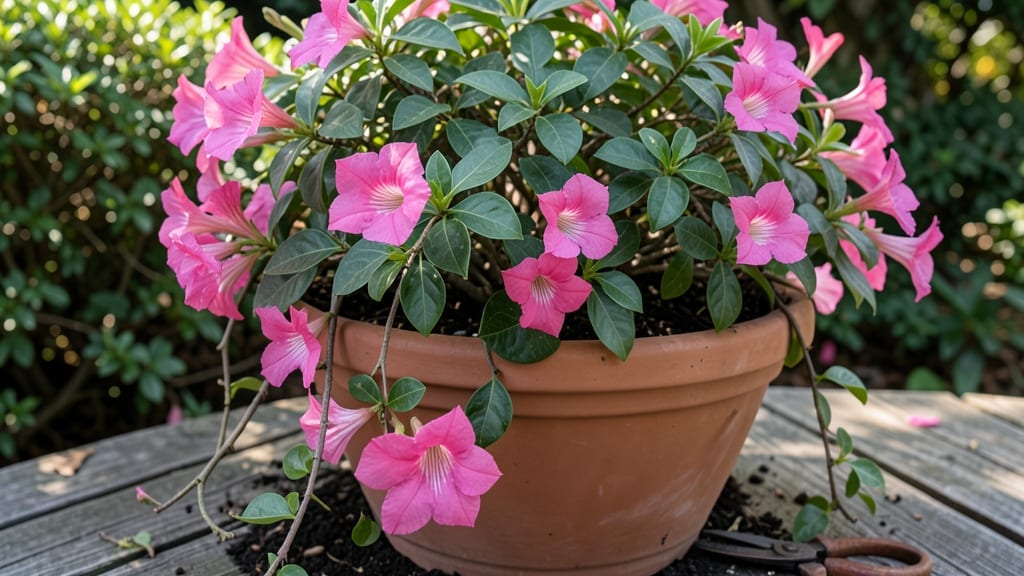
Fast-growing Mandevilla-like plants transform bare walls into lush privacy screens within a single season—whether you’re masking an ugly fence or adding vibrant color to your outdoor space. 🌿 I’ve grown these tropical beauties for years, and they’re the secret weapon for instant greenery. a balcony.
The key is choosing the right look-alike: Dipladenia mimics Mandevilla’s flowers but thrives in partial shade, while Rhodochiton offers delicate white blooms that last longer in heat.
These plants crave warmth, bright light, and well-draining soil—think fast-draining potting mix with perlite. Most beginners overwater, so let the top inch dry between waterings. Prune aggressively in spring to encourage bushier growth, and watch them rebound with vibrant new shoots within weeks.
The trade-off? They’re frost-sensitive, so bring pots indoors before temperatures dip below 50°F.
By midsummer, you’ll have a wall of glossy leaves and trumpet-shaped blooms that hummingbirds can’t resist. The best part? Unlike invasive vines, these stay contained with regular pruning.
Dipladenia even blooms year-round in warm climates, while Allamanda’s golden flowers add a citrusy punch to any garden. For fast results, start with cuttings—rooting takes just 2-3 weeks.
Perfect for containers, trellises, or ground covers, these vines adapt to almost any space. Just avoid windy spots and keep them away from drafts. Here’s how to pick the right one for your climate and style—no green thumb required.
📚 In This Guide
- What you need
- Instructions
- Tips and common mistakes
- Wrapping up and next steps
What you need
- ● Mandevilla-like plants: Choose from Dipladenia, Allamanda, or Plumeria (3–5 plants for full coverage). Ensure they’re healthy with vibrant foliage.
- ● Well-draining potting mix: 5–10 gallons, depending on pot size (avoid heavy clay soil). A blend of cactus/succulent mix + perlite works best.
- ● Containers or garden space: Pots: 12–18" diameter (1–2 plants per pot) with drainage holes.
- ● Garden beds: Full sun (6+ hours daily) with loose, fertile soil.
- ○ Support structures (optional but recommended): Trellises, arbors, or obelisks (6–10 ft tall for climbing vines).
- ● Stakes or cages (for bushier varieties like Allamanda).
- ● Fertilizer: Balanced 10-10-10 or 20-20-20 liquid fertilizer (diluted to half-strength).
- ● Mulch: Organic mulch (e.g., pine bark) to retain moisture and regulate soil temp.
- ● Gloves & long sleeves: Protect against thorns (common in Dipladenia).
- ● Pruning shears: Sharp, sterilized shears for trimming dead growth.
- ● Watering can or hose: With a gentle spray nozzle for hydration.
- ○ pH test kit (optional): Ideal soil pH: 6.0–7.0 for most mandevilla-like plants.
- ○ Sunlight meter (optional): Ensure your spot gets bright, indirect light (or full sun in warmer climates).
- ● 🌡️ Temperature: Most thrive in 65–85°F; protect from frost (below 40°F is deadly).
- ● ✨ Humidity lovers: Mist leaves weekly or use a humidity tray for indoor setups.
- ● 🔄 Fast growth hack: Feed every 2–4 weeks during spring/summer for lush vines!
Step-by-Step instructions for growing Mandevilla-like vines
Here's how to cultivate stunning, fast-growing vines that deliver lush privacy screens in record time.
🌱 Step 1: Select and Prepare Your Containers
Mandevilla-like vines thrive in 5-gallon containers with excellent drainage. Choose pots with at least four drainage holes to prevent root rot—a common killer for these tropical beauties. I always use a mix of 50% potting mix and 50% perlite to ensure the roots get both moisture retention and aeration. The perlite prevents compaction, which is critical for vines that grow aggressively.
Fill each container to 2 inches below the rim with your prepared mix. Tap the pot gently on the table to settle the soil without compacting it. Leave space at the top because these vines will grow rapidly, and you'll need room for watering without spillage. A 3-inch layer of gravel at the bottom helps with drainage but doesn't count toward your soil volume.
☀️ Step 2: Plant and Position for Maximum Light
Dig a hole in the center of the container that's just deep enough to accommodate the root ball of your vine. Place the plant so the top of the root ball sits ½ inch below the soil surface. This ensures stability as the vine grows upward. Gently firm the soil around the roots to eliminate air pockets, but don't pack it down too tightly.
Mandevilla-like vines demand full sun exposure (6-8 hours daily). Position your containers where they'll receive morning sun and afternoon shade if you're in a hotter climate. If you're in a cooler zone, they can handle full sun all day. You'll notice the leaves are glossy and deep green when they're happy—anything dull or yellow signals insufficient light.
💧 Step 3: Water and Fertilize for Rapid Growth
Water your newly planted vines until moisture runs freely from the drainage holes. This ensures the roots establish quickly in their new environment. After the initial watering, maintain the soil at a consistently moist but not soggy level. Stick your finger 1 inch into the soil—if it feels dry, it's time to water. Overwatering is the fastest way to kill these vines, so always check before adding more moisture.
Feed your vines with a balanced liquid fertilizer (10-10-10) every 2 weeks during the growing season (spring through fall). Reduce to monthly in winter when growth slows. You'll see vigorous new growth within 4-6 weeks if the fertilizer and watering are on point. Avoid high-nitrogen fertilizers—they promote leafy growth at the expense of those stunning blooms.
✂️ Step 4: Prune and Train for Structure
Prune your vines in early spring to encourage bushier growth. Cut back any leggy stems by ⅓ their length to stimulate branching. Remove any dead or diseased foliage immediately—this keeps the plant healthy and prevents pests from moving in. I also trim back any flowers that fade to redirect the plant's energy toward new blooms rather than seed production.
Train your vines to climb by gently tying them to a trellis, fence, or obelisk using soft plant ties. Avoid wire or anything that could damage the delicate stems. As the vines grow, adjust the ties to keep them secure but not constricting. With proper training, you'll see a 10-foot tall privacy screen in just one growing season—that's the magic of these fast growers.
🌿 Step 5: Overwinter for Year-Round Privacy
When temperatures drop below 50°F, move your containers to a sheltered location like a garage or patio covered with a frost cloth. Reduce watering to once every 2-3 weeks and stop fertilizing entirely. The goal is to keep the roots just barely alive until spring. You'll know you're doing it right if the leaves yellow and drop, but the stems remain firm and green.
In late winter, before the last frost, prune back the vines by half their length and repot into fresh soil if needed. Resume regular watering and fertilizing as temperatures rise. With this care, your vines will burst back to life and continue providing that lush, fast privacy screen you love.
Tips & tricks for perfect Mandevilla-like vine growth
Fast-growing vines like these deliver stunning results—but only if you nail the fundamentals. Here's what I've learned after watching mine grow from scraggly starts to 10-foot privacy screens in a single season.
Container Selection: In Step 1, don't skimp on container size. While 5-gallon pots work well, if you're planting multiple vines, consider larger containers (7-10 gallons) to reduce competition. The key is ensuring the root ball has room to expand—these vines can double in size within just 6-8 weeks of full sun exposure. I've seen plants in undersized containers become root-bound within months, stunting their growth potential.
Light Positioning: When positioning your vines in Step 2, pay attention to seasonal sun patterns. In summer, afternoon shade becomes crucial in hotter climates to prevent leaf scorch. I recommend placing containers where they'll receive morning sun and afternoon shade during peak summer months. The glossy, deep green leaves are your best indicator—if they start looking dull or yellow, it's time to adjust the position or provide some shade cloth.
Watering Strategy: The 1-inch soil check in Step 3 is critical, but timing matters just as much. Water in the morning so excess moisture can evaporate during the day, preventing fungal issues. I've found that these vines actually prefer slightly drier conditions than most tropical plants—overwatering is the #1 reason they fail. If you notice the leaves curling or dropping, you're likely overwatering rather than underwatering.
Fertilizer Timing: That 2-week feeding schedule in Step 3 works wonders, but there's a trick: always water your vines first, then fertilize. This prevents root burn from concentrated fertilizer. I also recommend using a slow-release fertilizer in the soil mix at planting time for an extra nutrient boost. The goal is to fuel that rapid growth without overwhelming the plant—think of it as giving your vines a high-performance engine rather than just a tune-up.
Pro Tips for Mandevilla Like Plants
- Fast-growing vines like these deliver stunning results—but only if you nail the fundamentals.
- Container Selection: In Step 1, don't skimp on container size.
- Light Positioning: When positioning your vines in Step 2, pay attention to seasonal sun patterns.
Frequently asked questions
Got questions about growing Mandevilla-like plants? You’re not alone! Here are answers to the most common queries—from care tips to troubleshooting—to help you keep your vines thriving.
What are the best Mandevilla alternatives for cold climates?
If your zone is too chilly for Mandevilla, try Campsis radicans (trumpet vine) or Bignonia capreolata (crossvine). Both offer bold blooms and tolerate cooler temps better. For evergreen options, consider Jasminum nudiflorum (winter jasmine) or Trachelospermum jasminoides (star jasmine).
How long does it take for Mandevilla-like vines to grow?
With proper care, these vines can grow 10–15 feet in a single season! Expect rapid growth from late spring to early fall. Prune regularly to encourage bushier growth and prevent overcrowding. In cooler climates, growth slows in winter but resumes in spring.
Why are my Mandevilla-like leaves turning yellow?
Yellow leaves often signal overwatering or poor drainage. Let the top inch of soil dry out between waterings, and ensure pots have drainage holes. Check for pests like spider mites or fungal issues (like powdery mildew) if yellowing spreads. Adjust care based on your plant’s specific needs!
Can I grow Mandevilla-like plants in containers?
Many varieties thrive in large containers (15+ gallons) with well-draining soil. Use a mix of potting soil and perlite, and repot every 2–3 years. Move containers indoors or to a sheltered spot in winter if frost is a concern. Just ensure they get at least 6 hours of sunlight daily.
Are Mandevilla-like plants toxic to pets or humans?
Most Mandevilla varieties are mildly toxic if ingested, causing nausea or vomiting in pets. Keep them out of reach of curious cats and dogs. Wear gloves when handling (especially sap) to avoid skin irritation. If you have pets, opt for non-toxic alternatives like Clematis or Honeysuckle.
Wrapping up and next steps
Transforming your space with mandevilla-like plants is easier—and more rewarding—than you think! These stunning vines offer year-round privacy, vibrant blooms, and low-maintenance charm, making them a dream for gardeners of all levels.
Whether you’re climbing trellises, draping balconies, or filling gaps in fences, these fast-growing beauties bring life and color to any corner.
Ready to take the next step? Start small—pick one variety, gather your supplies, and let nature do the rest! With a little care, you’ll soon enjoy a lush, thriving privacy screen that’s as stunning as it is functional. Happy planting! 🌿✨