
Companion Plants
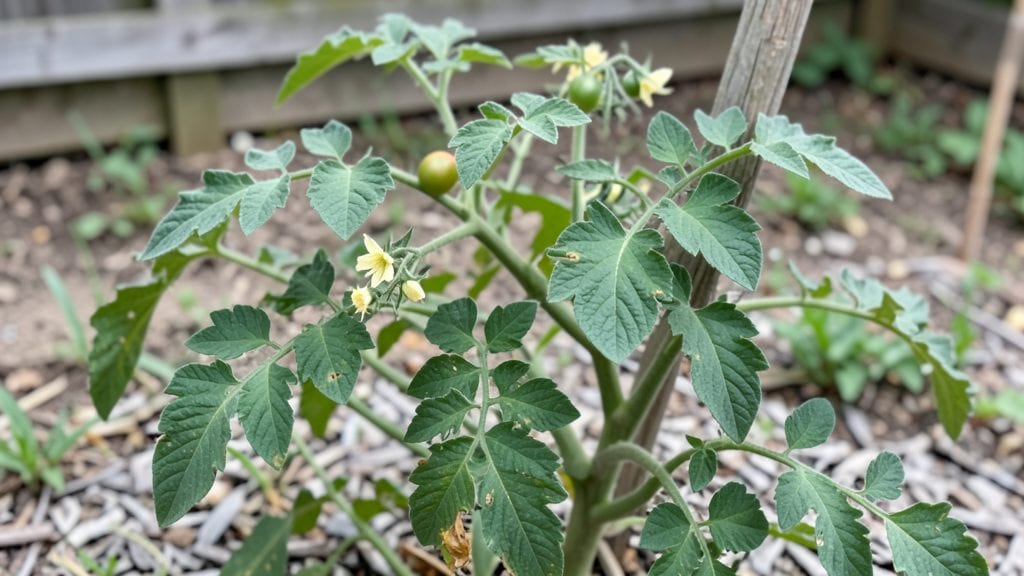
Growing Moonglow tomato plants feels like cheating—these disease-resistant beauties produce heavy yields with almost no fuss. I planted mine last spring, and by July, neighbors were asking where I got my "supermarket tomatoes" from my backyard.
The secret isn't luck—it's their built-in resistance to common tomato diseases like early blight and fusarium wilt.
These plants thrive in full sun (6-8 hours daily) and well-draining soil that's rich in compost. They're not picky about soil pH, but adding a handful of calcium at planting prevents blossom-end rot.
Water consistently at the base—never overhead—to keep those glossy green leaves free of fungal spores. A sturdy cage or stakes prevents sprawl, and you'll see fruit forming within 60-70 days of transplanting.
What makes Moonglow special is their flavor: sweet with a touch of smokiness, and they stay firm even when overripe. The plants keep producing until frost, so you'll harvest pound after pound of tomatoes perfect for slicing, sauces, or eating fresh off the vine.
Prune suckers regularly to focus energy on fruit, and watch for hornworms—they love these plants too.
Perfect for small spaces, containers, or large gardens. These tomatoes grow well in zones 4-10, and their disease resistance means fewer chemical sprays. Once you try Moonglow, you'll wonder why you ever grew anything else. Here's how to get started with these reliable producers!
📚 In This Guide
- What you need
- Instructions
- Tips and common mistakes
- Wrapping up and next steps
What you need
- ● Moonglow tomato seeds or seedlings: 3–5 plants (check for disease-resistant labels).
- ● Containers or garden bed: For containers: 5-gallon pots (1 per plant) with drainage holes.
- ● For in-ground planting: Well-draining soil with full sun (6+ hours/day).
- ● Potting mix: High-quality, organic mix (e.g., Miracle-Gro Potting Soil or FoxFarm Ocean Forest).
- ● Fertilizer: Balanced fertilizer (10-10-10) or compost: 1 tbsp per plant at transplanting.
- ○ Tomato-specific fertilizer (e.g., Espoma Tomato-Tone): Optional for extra nutrients.
- ● Support system: Cages (5–6 ft tall) or stakes (6 ft) with twine.
- ● Mulch: Straw or shredded leaves (2–3 inches) to retain moisture.
- ● Watering can or hose with gentle nozzle: For deep, even watering.
- ● Pruning shears: For trimming suckers and dead leaves.
- ● Companion plants: Basil, marigolds, or onions to deter pests.
- ● Drip irrigation system: For automated, efficient watering.
- ● Plant markers: To label Moonglow varieties.
- ● Epsom salt (magnesium sulfate): 1 tbsp per gallon of water monthly for leaf health.
Instructions for cultivating Moonglow tomato plants
This heirloom variety thrives with the right balance of sunlight, airflow, and consistent care.
Prepare the Planting Site for Optimal Growth
Moonglow tomatoes need a location with full sun exposure for at least 8 hours daily. Choose a spot with well-draining soil—these plants hate soggy roots. If your garden bed has heavy clay, amend it with 2-3 inches of compost mixed into the top 12 inches of soil. This variety is disease-resistant, but poor drainage still stresses plants.
Test your soil's pH before planting—Moonglow performs best in slightly acidic to neutral soil with a pH between 6.0 and 6.8. If your soil tests lower, add pelletized lime following package instructions. Work the amendments into the soil 2-3 weeks before transplanting to allow microbes time to incorporate them.
Transplant Seedlings with Care to Avoid Root Shock
Wait until nighttime temperatures stay consistently above 55°F before transplanting Moonglow seedlings. Harden them off by placing them outdoors in a sheltered spot for 3-5 days before moving permanently. Choose a cloudy day for transplanting to reduce stress on the plants.
Dig holes twice as wide as the root ball but no deeper. Gently remove the seedling from its container, loosen the roots if they're circling, and place it in the hole so the top of the root ball sits just below soil level. Fill the hole with soil and press lightly to eliminate air pockets. Water deeply to settle the soil and encourage root contact.
Establish a Support System Early for Healthy Growth
Moonglow tomatoes grow 4-5 feet tall with indeterminate vines, so install 5-6 foot stakes or a sturdy trellis at planting time. This prevents breaking stems later. Drive the stake 6 inches deep beside each plant, then loosely tie the main stem to it with soft plant ties as it grows.
Prune suckers (the small shoots that form in the leaf axils) regularly to direct energy toward fruit production. Remove any leaves touching the soil to improve airflow and reduce disease risk. You'll see stronger, more productive plants when you maintain this open canopy structure.
Water Consistently to Prevent Cracking and Blossom Drop
Moonglow tomatoes need 1-1.5 inches of water weekly, delivered at the base rather than overhead. Water deeply 2-3 times per week during dry spells, adjusting for rainfall. The soil should remain consistently moist but never waterlogged—let the top 2 inches dry out between waterings to prevent root rot.
Morning watering is ideal—it allows foliage to dry before evening, reducing fungal diseases. You'll notice healthier plants when leaves stay crisp rather than wilting or developing yellow edges. Mulch with 2-3 inches of organic material to conserve moisture and regulate soil temperature.
Fertilize Strategically for Maximum Yield
Apply a balanced fertilizer (10-10-10) at planting time following package rates. Then, switch to a low-nitrogen, high-phosphorus formula (5-10-10) when flowers appear to encourage fruiting. Avoid high-nitrogen fertilizers later in the season—they promote leafy growth at the expense of tomatoes.
Side-dress with compost or well-rotted manure every 4-6 weeks during the growing season. Work it into the soil around the base, keeping it 3-4 inches away from the stem. You'll see larger, more abundant fruit when plants receive steady nutrients without sudden spikes that burn roots.
Tips & tricks for perfect Moonglow tomato cultivation
These essential insights will help you coax the most vibrant growth and abundant harvests from your Moonglow tomato plants.
The Sunlight Factor: While the instructions specify 8 hours of daily sun, I've found that positioning your plants to capture morning sunlight—when UV rays are less intense—reduces stress on young foliage. If you're in a region with intense afternoon sun, consider using shade cloth (30% coverage) during peak hours to prevent leaf scorch while still maintaining optimal photosynthesis.
Soil Preparation Secret: The 2-3 weeks of soil amendment time before transplanting is non-negotiable. I've seen plants struggle when rushed—microbes need this period to break down compost and adjust pH. For faster results, mix in 1 cup of mycorrhizal fungi with your compost; these beneficial microbes form symbiotic relationships with tomato roots, improving nutrient uptake by up to 30%.
Transplanting Timing: The 55°F nighttime temperature threshold is your best indicator, but I recommend waiting until daytime temperatures consistently reach 70°F before transplanting. Cold snaps after transplanting can cause stunted growth. Use a soil thermometer to verify—roots need warmth to establish quickly in Step 2.
Support System Strategy: When installing your 5-6 foot stakes in Step 3, drive them at a 15-degree angle rather than straight up. This creates more stability against wind and prevents stems from breaking when heavy fruit develops. I've also found that using two stakes per plant—positioned diagonally—provides even better support for indeterminate varieties like Moonglow.
Pro Tips for Moonglow Tomato Plants
- These essential insights will help you coax the most vibrant growth and abundant harvests from your Moonglow tomato plants.
- The Sunlight Factor: While the instructions specify 8 hours of daily sun, I've found that positioning your plants to capture morning sunlight—when UV rays are less intense—reduces stress on young foliage.
- Soil Preparation Secret: The 2-3 weeks of soil amendment time before transplanting is non-negotiable.
Frequently asked questions
Got questions about growing Moonglow tomato plants? You’re not alone! Here are answers to the most common queries to help you cultivate a thriving, bountiful harvest with ease.
How long does it take for Moonglow tomatoes to produce fruit?
Moonglow tomatoes are early producers, typically yielding fruit 55–65 days after transplanting. With proper care—like consistent watering and sunlight—they’ll reward you with juicy, flavorful tomatoes in just a few months!
Can Moonglow tomatoes survive frost?
No, these plants are not frost-tolerant. Moonglow thrives in USDA Zones 4–10 but needs warm soil (at least 50°F/10°C) to germinate. Start seeds indoors 6–8 weeks before your last frost date for the best results.
What pests or diseases should I watch for with Moonglow tomatoes?
Moonglow’s disease resistance (to fusarium and verticillium wilt) is a game-changer, but pests like hornworms, aphids, and whiteflies can still target them. Use neem oil or row covers for prevention. Keep plants healthy with balanced fertilizer to boost natural defenses!
Are Moonglow tomatoes good for containers? How big should the pot be?
Moonglow’s compact size (3–4 ft tall) makes it perfect for containers. Use a pot at least 12–18 inches deep with drainage holes, and pair it with a tomato cage or stakes for support. Just ensure it gets 6–8 hours of sunlight daily!
What’s the best companion plant for Moonglow tomatoes?
Moonglow loves teamwork! Plant them with basil, marigolds, or onions to deter pests and improve growth. Avoid brassicas (like cabbage), as they compete for nutrients. Herbs like thyme or oregano also thrive nearby and enhance flavor!
Wrapping up and next steps
Growing Moonglow tomato plants is a rewarding journey that brings disease-resistant, flavorful rewards to your garden! 🌱 With the right companion plants, soil prep, and care, you’ll enjoy a bountiful harvest while keeping pests at bay.
Whether you're a beginner or seasoned gardener, these tips make success simple—so grab your gloves and get planting!
Ready to take the next step? Start by sketching your garden layout—place your Moonglows near basil, marigolds, or onions for extra protection and flavor boosts. Then, watch your garden thrive with minimal fuss! 🌿