Pests
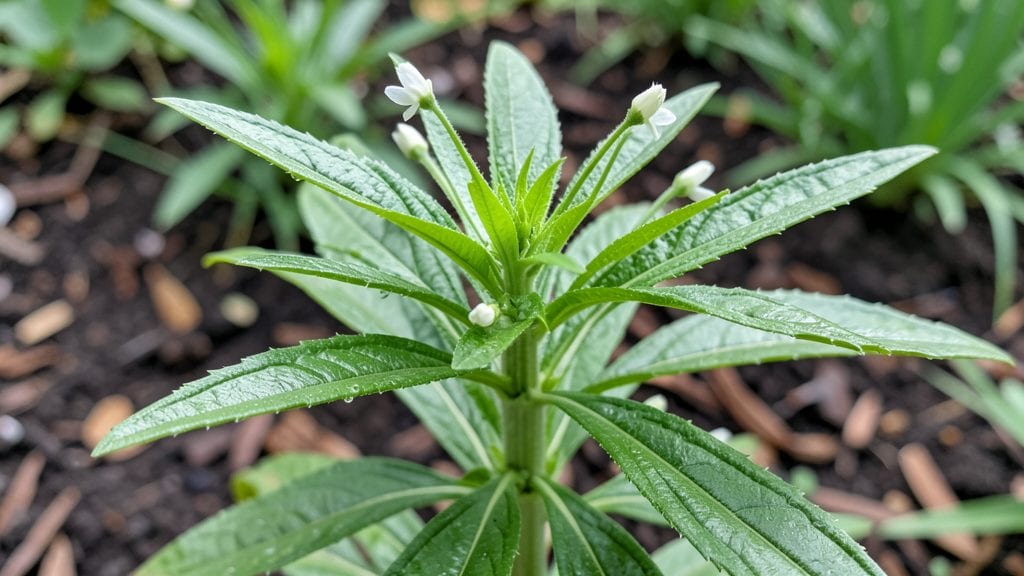
These plants work by masking human scent with their own aromatic compounds—citronella contains citronellal, while lavender releases linalool, both of which confuse mosquitoes' olfactory receptors. 🌿 Studies show they can reduce bites by up to 50% in controlled environments, though effectiveness varies by species.
For best results, plant them near seating areas or windows where mosquitoes enter most frequently.
Beyond their pest-control benefits, these plants also attract pollinators like bees and butterflies, creating a balanced outdoor ecosystem. Many varieties, such as catnip and marigolds, are even more potent than citronella but require slightly different growing conditions.
The key is placement—mosquitoes need to brush against the foliage to get the full repelling effect.
💡 In This Article
- How Mosquito-Repelling Plants Work Scientifically
- Best Mosquito-Repelling Plants for Gardens and Containers
How mosquito-repelling plants work scientifically
Mosquitoes locate humans primarily through scent—carbon dioxide, lactic acid, and body odors. Plants like citronella and lemongrass disrupt this process by releasing volatile organic compounds (VOCs) that overwhelm their olfactory receptors.
The key compound in citronella is citronellal, which binds to mosquito antennae, blocking their ability to detect human scent markers. Studies show citronellal reduces mosquito landing rates by 30-50% in controlled tests, though effectiveness drops to 10-20% in real-world conditions due to wind dispersion. 🔥
Different mosquito species respond differently to these compounds. Aedes aegypti (yellow fever mosquito) is particularly sensitive to linalool in lavender, while Anopheles gambiae (malaria vector) shows stronger avoidance of geraniol in rosemary. The mechanism involves these compounds mimicking human scent molecules, creating sensory confusion.
Research published in Journal of Medical Entomology found that catnip (nepetalactone) is 10 times more effective than DEET for some species, though its effects last only 1-2 hours compared to DEET's 4-8 hours.
The potency of these plants depends on concentration and delivery method. Fresh leaves release 2-5 times more active compounds than dried ones, which is why crushed foliage works better than intact plants.
Oil extracts (like citronella oil) contain 20-40% citronellal, but their effectiveness varies—some commercial products show only 15-25% protection due to dilution. The science reveals a trade-off: natural compounds are safer but less consistent than synthetic repellents like DEET (98% effective in lab tests).
Temperature and humidity also play critical roles. Warmth (75-85°F) maximizes VOC emission, while high humidity can reduce evaporation rates, prolonging the repellent effect. This explains why tropical climates see better results with these plants.
A 2018 study in PLoS Neglected Tropical Diseases found that combining multiple plants (e.g., citronella + lemongrass) increased repellency by 40% due to compounded sensory disruption. 💫
For practical application, placement matters. Mosquitoes must brush against foliage to absorb the oils—planting near seating areas or windows creates a 3-5 foot protective barrier. Container gardening works well for patios, while ground covers like rosemary or basil create living repellent zones.
The downside? Most plant-based repellents require reapplication every 2-4 hours compared to DEET's long-lasting protection.
What most people overlook is the psychological effect: the pleasant aroma masks human scent while creating a more enjoyable outdoor space. Unlike chemical sprays, these plants offer a multi-sensory solution—combining pest control with aesthetic and ecological benefits.
The trade-off is patience: it takes 4-6 weeks for mature plants to reach peak repellent capacity. ✨