
Pests
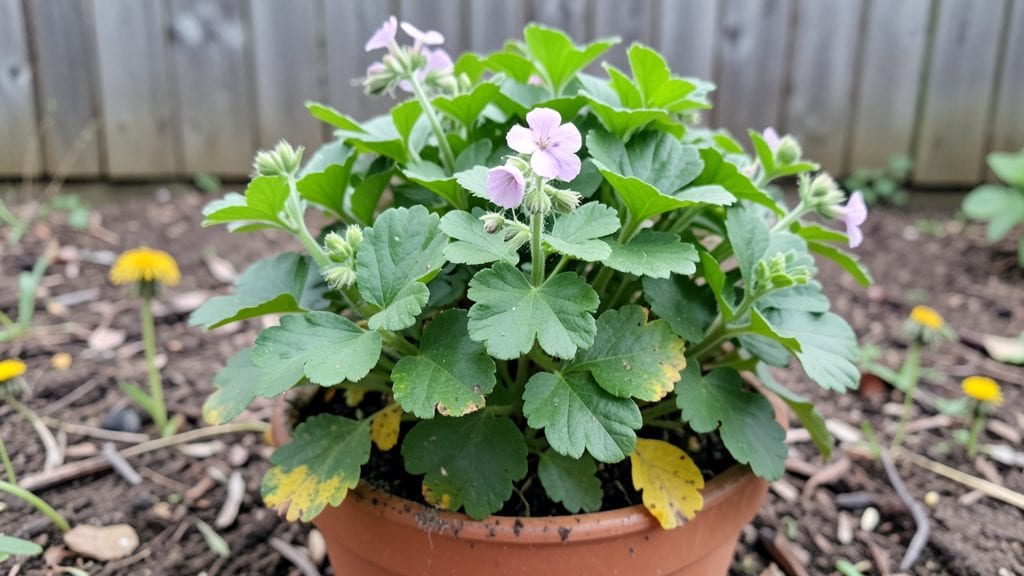
Growing mosquito plant geraniums (Pelargonium citronellum) turns your patio into a natural bug-free zone—no chemicals needed. 🌿 I’ve crushed summer mosquito swarms with this fragrant, easygoing plant, and the secret isn’t complicated: it thrives in full sun, needs just the right soil, and repels pests with its citrusy scent.
The best part? You’ll harvest fresh, pest-deterring leaves all season long.
Start with well-draining potting mix and a container with drainage holes—this plant hates soggy roots. Place it where it gets at least 6 hours of sunlight daily, and water only when the top inch of soil feels dry.
The scent alone keeps mosquitoes away, but crushing leaves and rubbing them on skin or clothing adds an extra layer of protection. It’s the ultimate low-maintenance, high-reward plant for outdoor spaces.
Once established, this geranium spreads easily from cuttings, so you can share plants with neighbors or expand your own mosquito-free zones. The leaves stay fragrant and effective even after drying, making them perfect for sachets or potpourri.
Just avoid overwatering—wilting is the only sign it needs attention—and you’ll enjoy a garden that’s both beautiful and functional.
Works in containers, window boxes, or tucked into garden beds alongside other pest-prone plants. The more you grow, the fewer bugs you’ll see. Ready to turn your outdoor space into a mosquito-free haven? Let’s get planting!
📚 In This Guide
- What you need
- Instructions
- Tips and common mistakes
- Wrapping up and next steps
What you need
- ● Mosquito plant geranium seeds or a young plant: 1 packet of seeds (50-100 seeds) or
- ● 1 healthy nursery-grown plant (4-6 inches tall)
- ● Well-draining potting mix: 1 bag (12-18 quarts) of a light, airy blend (e.g., 50% peat moss, 30% perlite, 20% compost)
- ● Containers: 1-2 pots (6-8 inches in diameter) with drainage holes or
- ● A garden bed (if planting outdoors, with full sun exposure)
- ● Watering can or spray bottle: With a fine rose nozzle for gentle hydration
- ○ Fertilizer (optional but recommended): Balanced liquid fertilizer (e.g., 10-10-10) or
- ● Slow-release granular fertilizer (5-10-5 ratio)
- ● Pruning shears (for trimming leggy growth)
- ● Gloves (to protect hands from sap)
- ● Mulch (e.g., pine bark or straw) to retain moisture
- ● Insecticidal soap (for aphid prevention, if needed)
- ● Sun hat or shade cloth (if growing in scorching climates)
Step-by-step guide to growing mosquito plant geranium
Here's how to cultivate this fragrant, pest-repelling powerhouse with minimal fuss.
🌱 Step 1: Select the Right Location and Prepare Soil
Mosquito plant geranium thrives in partial shade to full sun, making it perfect for patios or garden edges. Choose a spot with 4-6 hours of morning sunlight—afternoon shade prevents leaf scorch in hot climates. The plant's delicate roots prefer well-draining soil with a slightly acidic to neutral pH (6.1-7.3). Amend your garden bed with 1-2 inches of compost before planting to improve drainage and nutrient availability.
If growing in containers, ensure pots have drainage holes and use a lightweight potting mix. I like to mix equal parts potting soil and perlite to prevent compaction. Mosquito plant geraniums hate soggy roots, so avoid heavy clay soils unless amended properly. Test your soil's moisture retention by squeezing a handful—it should hold together but not drip water when pressed.
🌿 Step 2: Plant at the Correct Depth and Spacing
Dig a hole twice as wide as the root ball but only as deep as the container's base. This prevents burying the stem, which can cause rot. Gently remove the plant from its container and loosen any circling roots with your fingers. Place it in the hole so the top of the root ball sits ½ inch below soil level—this ensures stability without suffocating the plant.
Space plants 18-24 inches apart for optimal airflow and growth. Crowding invites fungal diseases and weakens the plant's natural pest-repelling properties. Water deeply immediately after planting to settle the soil and eliminate air pockets. You'll see the first signs of establishment when new growth emerges within 2-3 weeks, indicating strong root development.
💧 Step 3: Water Consistently and Maintain Humidity
Keep the soil evenly moist but never waterlogged—mosquito plant geraniums wilt quickly when thirsty. Water when the top 1-2 inches of soil feel dry to the touch, typically every 2-3 days in warm weather. Reduce frequency in cooler months. I like to water in the morning so leaves dry quickly, preventing fungal issues. Mulch around the base with 1-2 inches of organic mulch to retain moisture and regulate soil temperature.
This plant loves humidity, so mist leaves occasionally if your climate is dry. You'll notice the signature lemon-scented foliage intensify when conditions are ideal. Avoid overhead watering once established—wet leaves can attract pests you're trying to repel. Instead, water at the base and let the plant's natural fragrance do the work.
☀️ Step 4: Prune and Encourage Bushy Growth
Pinch back the tips of new growth when stems reach 6-8 inches tall to promote bushier, more fragrant plants. This technique also prevents leggy growth and encourages dense foliage production. Use clean, sharp pruners to make cuts just above a leaf node. Regular pruning also stimulates new growth, which means more of that mosquito-repelling scent.
Remove any yellow or diseased leaves immediately to maintain plant health. I always prune in the morning when the plant is fully hydrated—this reduces stress and allows wounds to heal faster. Deadhead spent flowers to redirect the plant's energy into leaf production. You'll see the most dramatic improvement in fragrance and pest-repelling ability after 4-6 weeks of consistent pruning.
✂️ Step 5: Overwinter and Propagate for Next Season
In colder climates, protect mosquito plant geraniums by moving them indoors before first frost. Place them in a bright, cool location (50-60°F) with reduced watering. Prune back by ⅓ before bringing inside to minimize pests. I've found that overwintering indoors actually intensifies the plant's fragrance—perfect for keeping mosquitoes away during summer months.
To propagate, take 4-6 inch stem cuttings in spring or early summer. Dip the cut end in rooting hormone and plant in moist potting mix. Keep cuttings in bright, indirect light and maintain high humidity until roots form (3-4 weeks). You'll know they're ready when new growth appears at the base. This is the easiest way to expand your mosquito-repelling garden without spending a dime.
Tips & tricks for perfect mosquito plant geranium growth
Transform your garden into a mosquito-free haven with these game-changing strategies for cultivating fragrant, pest-repelling mosquito plant geraniums.
The Light Factor: While 4-6 hours of morning sunlight is ideal, don't overlook the importance of afternoon shade in hotter climates. I've seen plants with crispy leaf edges after just two weeks of direct afternoon sun—trust me, the lemon-scented foliage is worth protecting! Position your plants where they'll get morning rays but can retreat from the midday heat. For container growers, rotate pots weekly to ensure even light exposure on all sides.
Root Health Secret: The ½-inch depth placement and twice-as-wide hole technique aren't just about aesthetics—they're critical for preventing stem rot. I once lost three plants because I buried them too deeply, and the roots suffocated. Remember, mosquito plant geraniums hate soggy conditions, so that lightweight potting mix with perlite isn't optional—it's essential. If you're in doubt about your soil's drainage, do the squeeze test before planting.
Pruning Payoff: Those 6-8 inches before pinching might seem arbitrary, but it's the sweet spot for bushy growth. I've found that plants pruned at this height develop more robust side shoots and maintain their signature fragrance longer. The 4-6 week timeline for dramatic improvement is real—stick with it! And here's a pro move: save those pruned tips in a jar of water until they root, then transplant them for instant propagation.
Overwintering Insight: That 50-60°F range indoors isn't just about survival—it's about intensifying the fragrance. I've noticed plants overwintered in cooler conditions develop a stronger lemon scent when they return outdoors. The ⅓ prune before bringing inside is crucial too—it prevents pests from hitching a ride to your home. Place them near a bright window but away from heating vents, which can dry out the leaves.
Pro Tips for Mosquito Plant Geranium
- Transform your garden into a mosquito-free haven with these game-changing strategies for cultivating fragrant, pest-repelling mosquito plant geraniums.
- The Light Factor: While 4-6 hours of morning sunlight is ideal, don't overlook the importance of afternoon shade in hotter climates.
- Root Health Secret: The ½-inch depth placement and twice-as-wide hole technique aren't just about aesthetics—they're critical for preventing stem rot.
Frequently asked questions
Got questions about growing and using mosquito plant geranium? You’re not alone! Here are some of the most common queries—and their answers—to help you harness this fragrant, pest-repelling powerhouse.
How fast does mosquito plant geranium grow?
Mosquito plant geranium (Pelargonium graveolens) grows at a moderate pace. With proper care—full sun, well-draining soil, and regular watering—you’ll see noticeable growth in 4-6 weeks. Expect mature plants (12-18 inches tall) within 3-4 months of planting. Pinch back tips early to encourage bushier growth!
Does it really repel mosquitoes, or is it just a myth?
Not a myth! The crushed leaves release a citronella-like scent that mosquitoes hate. Studies show it’s effective for short-term relief (30-60 minutes per application). For best results, crush leaves near seating areas or rub them on skin. Combine with other repellents (like citronella candles) for maximum protection.
Can mosquito plant geranium survive winter outdoors?
Unfortunately, no—this tropical plant is not frost-tolerant. If you live in a cold climate (below 20°F/-7°C), bring potted plants indoors before the first frost. Overwinter in a bright, cool spot (50-60°F/10-15°C) with minimal watering. Resume outdoor growth in spring after frost danger passes.
What’s the difference between mosquito plant and regular geraniums?
While both are in the Pelargonium family, mosquito plant geraniums have distinct features:
- Scent: Strong citrusy aroma (crush leaves to release it).
- Purpose: Pest-repelling (mosquitoes, flies, ants).
- Flowers: Often smaller and less showy than ornamental geraniums.
- Leaves: Wrinkled, dark green with a fuzzy texture.
Why aren’t my mosquito plant geranium leaves smelling strong?
Weak scent? Try these fixes:
- Sunlight: Ensure 6+ hours of direct sun daily—low light reduces oil production.
- Watering: Overwatering dilutes oils. Let soil dry 1 inch deep between waterings.
- Age: Younger plants have less scent; mature leaves (lower on the stem) are potently fragrant.
- Pruning: Trim leggy growth to encourage new, aromatic foliage.
Wrapping up and next steps
Ready to enjoy a pest-free garden without harsh chemicals? The mosquito plant geranium is your natural ally—its fragrant leaves repel mosquitoes, flies, and even ants while adding beauty to your space. 🌿 Whether you’re a seasoned gardener or just starting, this low-maintenance plant is a game-changer for outdoor comfort.
Take the next step: plant one today and transform your patio or yard into a mosquito-free haven! Share your success with fellow gardeners—your green thumb might inspire others to try this easy, eco-friendly solution.