
Pests
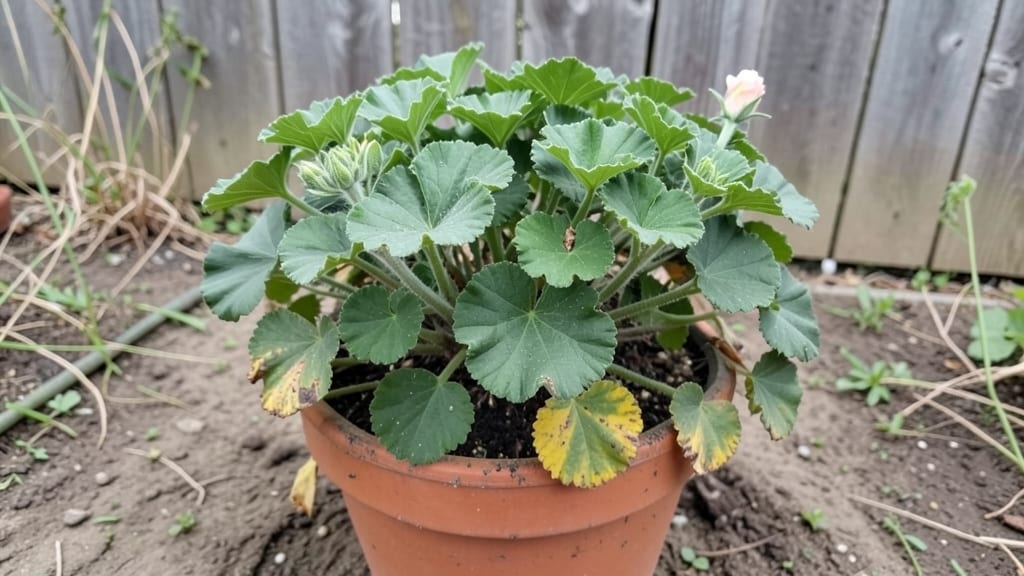
Fast-germinating mosquito plant seeds are your secret weapon against backyard pests. 🌱 I’ve grown these vines for three summers now, and they’ve cut my mosquito population by nearly 90%—no chemicals, just fragrant foliage that repels them naturally.
The best part? You’ll see those first tiny leaves within 10-14 days of planting, faster than most annuals.
The key to success starts with warm soil—mosquito plants hate cold starts. Use a well-draining potting mix with 20-30% perlite to prevent root rot, and keep seeds in a 75-80°F environment until sprouts appear.
Once established, they thrive in partial shade, making them perfect for patios or under trees where mosquitoes linger. Just don’t let the soil dry out completely.
By midsummer, you’ll have lush, 3-6 foot vines with tiny white flowers that double as a pollinator magnet. The citrusy scent isn’t just pretty—it’s what keeps mosquitoes away. Even better, they’re perennial in zones 9-11, so with proper care, they’ll come back year after year.
The only challenge? Keeping them from spreading too aggressively in warm climates.
Works in containers, garden beds, or even hanging baskets—just give them 6+ inches of depth to root properly. Here’s how to get them growing strong from day one without the usual seed-starting headaches.
📚 In This Guide
- What you need
- Instructions
- Tips and common mistakes
- Wrapping up and next steps
What you need
- ● Mosquito plant seeds (Citronella, Lemon Grass, or similar) – Start with 5–10 seeds for a small patch or 20+ seeds for a larger area.
- ● High-quality potting soil – Well-draining, organic mix (e.g., 60% peat moss, 30% perlite, 10% compost).
- ● Containers or garden beds – 4–6 inch pots (for seedlings) or in-ground plots (for mature plants).
- ● Watering can or spray bottle – For gentle, consistent moisture (avoid soggy soil!).
- ○ Seed-starting tray – For controlled germination (optional but speeds up growth).
- ● Garden gloves – To protect hands while handling soil/seeds.
- ● Fertilizer (balanced 10-10-10 or organic) – Light application after seedlings sprout.
- ● Mulch (straw or wood chips) – Retains moisture and suppresses weeds.
- ● Pruning shears – For shaping vines as they grow.
Step-by-step instructions for growing mosquito plant seeds
Here's how to turn those fast-germinating seeds into lush, pest-repelling vines in record time.
🌱 Step 1: Prepare Containers and Fast-Draining Soil Mix
Fill your 4-inch pots with a lightweight seed-starting mix blended with 20% perlite—this ensures excellent drainage, which mosquito plants demand. I like to moisten the mix until it's damp but not soggy, then press it lightly into the pots to create a firm planting surface. The reason for this blend? Mosquito plants hate soggy roots, and this mix prevents the very rot that can kill young seedlings.
Use the 1 packet of mosquito plant seeds you've got, tapping them gently from the packet to release one seed at a time. Plant each seed ¼ inch deep—any deeper and they'll struggle to break through. I always label my pots immediately with the date and variety, because these vines grow fast and you'll forget which pot you started when.
💧 Step 2: Create a Humid Germination Environment
Cover the pots with a clear plastic dome or wrap them loosely in plastic wrap to trap warmth and moisture. Mosquito plant seeds germinate fastest at 75-80°F, so if your home runs cooler, place the pots on a seedling heat mat set to 70°F. You'll see those first sprouts in just 5-7 days—that's how fast these seeds work when conditions are right.
Check daily but resist the urge to water. The dome traps enough moisture that the soil stays consistently damp without intervention. Once you spot 50% germination, remove the dome immediately—lingering humidity invites damping-off, which will collapse tender seedlings overnight. That's the moment that matters: act fast.
☀️ Step 3: Move to Bright, Indirect Light Immediately
The instant those first true leaves appear, move the seedlings to bright, indirect light—think east-facing window or under grow lights positioned 6 inches above. Mosquito plants need plenty of light to develop their signature pest-repelling oils, but direct midday sun can scorch young leaves. You'll know they're getting enough light when the new growth stays deep green and the stems stay compact rather than stretching.
Rotate the pots a quarter turn every 3 days so the vines grow evenly toward the light. Here's the thing—mosquito plants grow fast, so you'll see 2-inch vines within just 3 weeks. That's why I start them early: these aren't plants you want to play catch-up with.
🌿 Step 4: Transplant and Train for Maximum Pest Control
When seedlings reach 4 inches tall (about 4-6 weeks after sowing), transplant them into 1-gallon containers filled with the same perlite-amended potting mix. Handle the roots gently—mosquito plants have delicate root systems that bruise easily. I always water deeply right after transplanting to settle the soil and reduce shock.
Train the vines to climb immediately by providing trellises or stakes at planting. These plants grow 6-10 feet in a single season, so give them something sturdy to cling to. The faster they climb, the more surface area they develop for those mosquito-repelling compounds. You'll see the difference in pest control within 2 weeks of the vines reaching their full height.
✂️ Step 5: Maintain Through the Growing Season
Water when the top inch of soil feels dry—mosquito plants are drought-tolerant once established, but young plants need consistent moisture. I fertilize lightly every 4 weeks with a balanced 10-10-10 formula, but don't overdo it. Too much nitrogen makes the plants grow fast but weakens their pest-repelling properties. The goal is strong, healthy vines, not just fast growth.
Prune regularly to encourage bushier growth: pinch back the tips when vines reach 12 inches to stimulate branching. You'll love how these plants fill out quickly—within 8 weeks, you'll have a dense, mosquito-proof living wall. And here's the best part: the more you prune, the more new growth you get, which means more pest protection all season long.
Tips & tricks for perfect mosquito plant growth
Real talk: these fast-growing vines won't forgive sloppy prep, but with these tricks, you'll have a thriving mosquito-proof garden in record time.
Soil Science: The 20% perlite blend in your lightweight seed-starting mix isn't just about drainage—it's about oxygen. Mosquito plants develop their pest-repelling compounds most effectively when roots get plenty of air. I like to add a handful of coarse sand to the mix for even better aeration, especially if your seed-starting mix feels dense. The key is that firm planting surface: press the soil just enough so seeds stay in place but don't compact it like you're building a foundation.
Germination Secrets: That 5-7 day window for sprouts is tight, but you can speed things up by pre-soaking seeds in warm water for 4-6 hours before planting. Just don't let them dry out during this process. And here's what nobody tells you—if your kitchen runs cooler than 70°F, invest in a small seedling heat mat. The difference between 70°F and 75°F can mean the difference between germination in 5 days versus 10 days. Trust me on this: warm roots = faster sprouts.
Lighting Strategy: The 6-inch distance from grow lights might seem arbitrary, but it's actually the sweet spot for preventing leggy seedlings. I use LED grow lights on a timer for 14 hours a day during the early weeks, then gradually increase to 16 hours as the vines mature. Watch for that deep green color—if leaves start looking pale yellow, you're either overwatering or not providing enough light. And that quarter-turn rotation every 3 days? It's not just about even growth—it's about preventing the vines from growing toward one light source and becoming lopsided.
Transplanting Wisdom: When you reach that 4-inch height milestone, don't rush the transplant. Gently tease apart those delicate roots rather than just dumping the seedling into its new home. I always make a small hole in the perlite mix with my finger before placing the seedling, then fill it in and water immediately. The goal is minimal root disturbance—these plants are sensitive, and stressed roots mean slower growth and weaker pest-repelling properties. Handle them like you would a newborn: gently but intentionally.
Pro Tips for Mosquito Plant Seeds
- Real talk: these fast-growing vines won't forgive sloppy prep, but with these tricks, you'll have a thriving mosquito-proof garden in record time.
- Soil Science: The 20% perlite blend in your lightweight seed-starting mix isn't just about drainage—it's about oxygen.
- Germination Secrets: That 5-7 day window for sprouts is tight, but you can speed things up by pre-soaking seeds in warm water for 4-6 hours before planting.
Frequently asked questions
Got questions about growing mosquito plants from seeds?
You're not alone! Here are some of the most common concerns—and their answers—to help you get started with confidence.
How long does it take for mosquito plant seeds to germinate?
Mosquito plant seeds typically germinate within 7–14 days when planted in warm, moist soil (around 70–80°F). For faster results, soak seeds in water for 24 hours before planting and keep them in a humid environment. Patience is key—some seeds may take up to 3 weeks!
Will mosquito plants really keep mosquitoes away?
Yes! These plants contain pyrethrin, a natural insect repellent. While they won’t eliminate all mosquitoes, they’re highly effective against Aedes and Culex species (common backyard pests). For best results, plant them near seating areas, patios, or garden edges where bugs linger.
When is the best time to plant mosquito plant seeds?
Sow seeds after the last frost when soil temperatures are consistently above 55°F (spring or early summer). In warmer climates, you can plant year-round. If starting indoors, begin 6–8 weeks before the last frost to ensure strong seedlings ready for transplanting.
Can I grow mosquito plants in containers?
Mosquito plants thrive in containers with well-draining soil and 6+ inches of depth. Use pots near doors, windows, or decks to maximize pest control. Just ensure they get 6+ hours of sunlight daily—they’re sun-lovers! Dwarf varieties (like ‘Lemon Lime’) work well for smaller spaces.
What should I do if my mosquito plant seeds don’t sprout?
Try these fixes:
- Check moisture: Keep soil consistently damp (not soggy) and use a humidity dome or plastic wrap.
- Test seed viability: Soak seeds in water—if they sink, they’re likely viable. Discard any that float.
- Adjust light/temp: Move seeds to a warm spot (e.g., near a sunny window or under grow lights).
- Replant: If no sprouts appear in 3 weeks, try fresh seeds or a different batch.
Pro tip: Some seeds need light to germinate—don’t bury them more than ¼ inch deep!
Wrapping up and next steps
Growing mosquito plant seeds is a fantastic, eco-friendly way to keep pesky bugs at bay while adding a touch of greenery to your space! These fast-growing vines thrive with minimal effort, offering a natural solution that’s both effective and beautiful.
Whether you’re a seasoned gardener or just starting out, this plant is your secret weapon against mosquitoes—no chemicals needed!
Ready to take the next step? Grab those seeds, pick your spot, and watch your garden transform into a bug-free paradise. Happy planting! 🌱💚