
Companion Plants
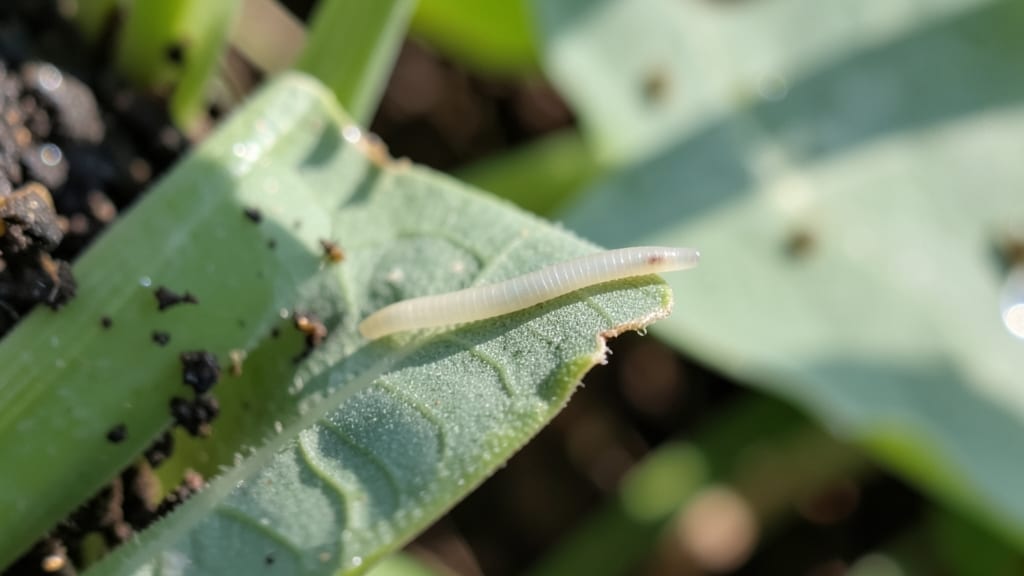
Using nematodes for plants introduces microscopic helpers that combat soil pests while improving root health. Species like Steinernema and Heterorhabditis target grubs and beetles, while microbial varieties enhance nutrient absorption. Apply them during damp conditions for optimal effectiveness.
These tiny predators work by injecting beneficial bacteria into pest larvae, disrupting their digestive systems and killing them within 48 hours. 🌱 The process is completely natural and leaves no chemical residue, making it ideal for organic gardens.
I’ve seen firsthand how a single application can reduce grubs by up to 90% when used correctly—just imagine fewer pests without harsh pesticides!
What sets nematodes apart is their precision: they only attack specific pests like Japanese beetle larvae or fungus gnats, leaving beneficial insects like bees and ladybugs unharmed. This targeted approach means you can use them safely around edible plants without worrying about collateral damage.
For best results, I recommend applying them in the early morning or late evening when temperatures are cooler.
💡 In This Article
- How Beneficial Nematodes Fight Garden Pests
- Best Nematode Types for Your Plants and Pests
How beneficial nematodes fight garden pests
Here's what's actually happening when nematodes go to work in your soil: these microscopic predators use a sophisticated hunting strategy. They release chemicals that attract pest larvae, then burrow into their bodies and inject symbiotic bacteria like Xenorhabdus or Photobacterium.
These bacteria multiply rapidly inside the pest, producing toxins that completely disrupt their digestive systems within 24-48 hours. The process is so efficient that a single nematode can kill multiple pests during its 2-4 week lifespan in ideal conditions.
The key factor is their life cycle timing, which is triggered by environmental conditions. Nematodes remain dormant as microscopic juveniles until soil moisture reaches 20-30% and temperatures stay between 50-85°F.
At this point, they become active hunters, moving through soil at about 1 inch per hour using their whip-like tails. Their success rate peaks when soil stays consistently damp, as dehydration halts their movement and hunting ability.
This is why applying them after watering or during rainy seasons gives the best results—think of it like giving them a hydration boost to kickstart their pest-fighting mission.
What most people don't realize is how specific these hunters are. For example, Steinernema carpocapsae specializes in beetle larvae and other soft-bodied pests, while Heterorhabditis bacteriophora targets grubs with tougher exoskeletons. The nematodes' ability to penetrate different body types comes from their unique mouthparts that can break through larval cuticles.
Once inside, the bacteria they inject don't just kill the pest—they also liquefy its insides, creating a nutrient-rich broth that feeds the developing nematode juveniles. This entire process happens underground, completely invisible to gardeners but incredibly effective.
Temperature plays a crucial role in their effectiveness. Below 50°F, nematodes become sluggish, while above 90°F, they die from heat stress. The optimal range of 60-80°F creates perfect hunting conditions, which is why spring and fall applications typically yield the best results.
Even more fascinating is their reproduction cycle: after killing a host, a single female can produce 500-1,000 offspring in just a few days, creating a self-sustaining population that continues working for you for weeks. This natural amplification makes them far more cost-effective than chemical pesticides over time.
Consider this visual: imagine a microscopic army of hunters patrolling your soil, each one a precision weapon against garden pests. They don't just kill—they multiply and create an ecosystem where pests become scarce while beneficial insects remain untouched.
The whole process is silent, chemical-free, and happens right under your plants' roots where it matters most. 🌱
For maximum effectiveness, time your application with pest life cycles. Many garden pests like Japanese beetle grubs are most vulnerable in early summer when they're in their larval stage, while others like fungus gnats thrive in moist conditions during spring.
By matching nematode application to these cycles, you're essentially setting up an ambush where your soil's natural defenses get a major boost at the exact moment pests are most vulnerable.