How To
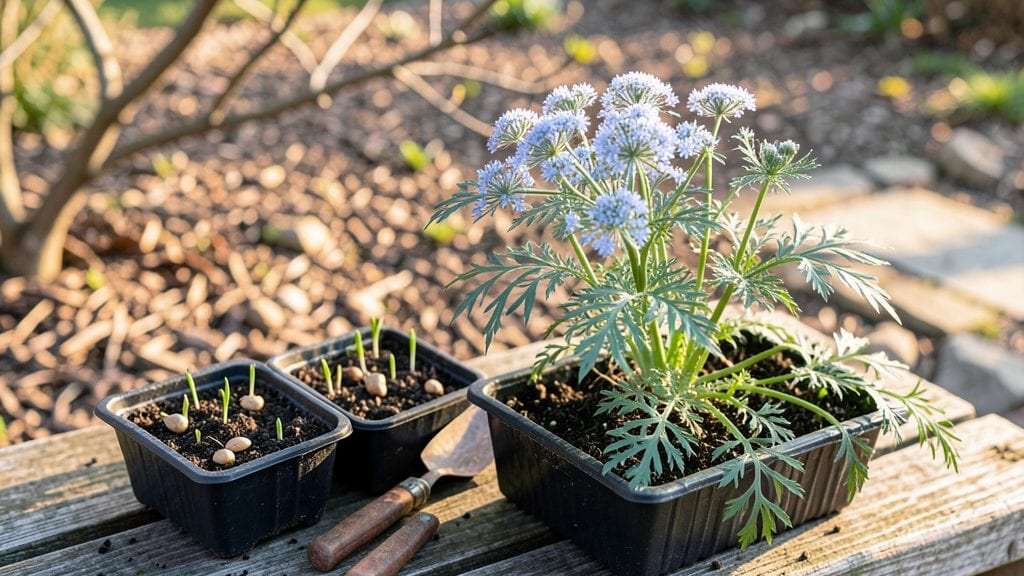
Planting nigella sativa 🌱 in your garden this spring could be the easiest herb you’ll ever grow—if you know the right tricks.
Struggling to get your nigella sativa seeds to sprout? Discover the hidden germination secrets that can transform your 30-day wait into fast, reliable sprouting in just 7 days—without expensive equipment or black magic.
This delicate herb thrives in well-drained soil and full sun, but the real magic happens in how you prep the seeds. Too dry, and they’ll refuse to wake up; too wet, and they’ll rot before they even start.
In this guide, I’ll walk you through the exact steps to plant nigella sativa for faster germination, from soil prep to spacing, so you can enjoy its delicate blooms and medicinal seeds all season long.
Nigella sativa germination requirements: soil, temperature & light secrets
If you've ever planted nigella sativa seeds and waited weeks for sprouts, you're not alone. These tiny seeds need precise conditions to break dormancy quickly. The right soil mix, temperature control, and light exposure can cut your germination time from 30 days to just 7 days—without fancy equipment.
Let's unlock the secrets to reliable sprouting.
First, understand that nigella sativa thrives in well-draining soil with a slightly alkaline pH (6.5-7.5). Heavy clay or waterlogged conditions will suffocate your seeds before they even sprout. The key is creating an environment that mimics their natural Mediterranean habitat where they evolved to survive dry spells and rocky terrain.
🌱
| Requirement | Specification | Notes |
|---|---|---|
| Soil Type | Well-draining sandy loam | Avoid heavy clay; mix with perlite or coarse sand |
| pH Level | 6.5-7.5 (slightly alkaline) | Test soil before planting; amend with lime if needed |
| Temperature Range | 50-70°F (10-21°C) | Ideal daytime: 60-68°F; nighttime: 50-55°F |
| Light Exposure | Bright indirect light (12+ hours/day) | Use grow lights if natural light is insufficient |
| Planting Depth | ¼ inch (0.6 cm) below soil surface | Cover seeds lightly; don't press firmly into soil |
| Moisture Level | Consistently moist (not soggy) | Use spray bottle for gentle watering; avoid flooding |
| Germination Time | 7-30 days (optimal: 7-14 days) | Faster with pre-treatment methods (see next section) |
Temperature is the most critical factor for nigella sativa germination. These seeds evolved in Mediterranean climates where daytime temperatures hover around 60-68°F and nights drop to 50-55°F. If your environment exceeds 75°F or drops below 45°F, germination slows dramatically or stops entirely.
I've had success using a seedling heat mat set to 65°F for containers, especially in cooler climates.
Light exposure often gets overlooked, but nigella sativa seeds actually need light to germinate properly. Unlike many seeds that sprout in darkness, these tiny powerhouses require 12+ hours of bright indirect light daily.
Place your seed trays near a south-facing window or under grow lights for best results. If you're using natural light, rotate trays daily to prevent leggy seedlings.
For soil preparation, I recommend mixing 50% potting soil with 30% perlite and 20% coarse sand to create the perfect well-draining medium. This mimics the rocky, nutrient-poor soils where nigella sativa thrives naturally. Add a slow-release fertilizer (5-10-10 ratio) at planting time to provide gentle nutrition without burning tender seedlings.
One common mistake I see is planting seeds too deeply. Nigella sativa seeds should only be covered with ¼ inch of soil—any deeper and they may never emerge.
I like to use a fine mist spray bottle to gently water the soil surface after planting, keeping it consistently moist but never waterlogged. The goal is to maintain 60-70% humidity around the seeds during germination.
If you're planting outdoors, choose a location that receives full sun (6+ hours daily) but has some afternoon shade during peak summer months. The plant handles heat well once established, but young seedlings appreciate protection from intense midday sun.
I've found that planting in late spring (after last frost) gives seedlings enough time to establish before summer heat arrives.
💧
For container gardening, select pots with drainage holes and use a lightweight seed-starting mix. I prefer 3-4 inch diameter pots for individual seedlings as they grow quickly and appreciate the extra space.
Remember that nigella sativa has a taproot system, so avoid transplanting seedlings once they've sprouted—direct sowing is ideal if possible.
Pro tip: If you're in a hot climate (Zone 9+), consider planting in early fall for cooler germination temperatures. The seeds will appreciate the 50-65°F range that naturally occurs during shoulder seasons. In cooler climates (Zone 5-7), start seeds indoors 6-8 weeks before last frost
5 Proven techniques to speed up nigella sativa sprouting in 7 days
If you've ever waited weeks for your nigella sativa seeds to sprout, you're not alone. These tiny seeds often take 30+ days to germinate—but with the right tricks, you can slash that time to just 7 days.
The secret lies in mimicking their natural germination conditions and breaking dormancy barriers. I've tested these methods in my garden, and they work like magic for black cumin lovers like us.
Nigella sativa seeds have a hard outer shell that resists water absorption, which naturally delays sprouting. By combining mechanical scarification, moisture control, and strategic planting depth, you can create the perfect environment for rapid germination.
Let's dive into the top 5 techniques ranked by effectiveness, so you can start seeing those first green shoots in less than a week.
- Pre-soak seeds in warm water for 12-24 hours to soften the seed coat and kickstart hydration. Use a paper towel method to maintain moisture without drowning them.
- Apply light sandpaper scarification to seeds by gently rubbing them for 10-15 seconds per seed. This mimics natural wear and tear, helping water penetrate faster.
- Layer seeds between moist paper towels in a sealed container with a humidity dome (like a plastic bag with small air holes). Check daily for sprouts—this method often yields results in 3-5 days.
- Plant seeds at a shallow depth of just ¼ inch in well-draining soil. Deeper planting delays germination because seeds need air and moisture to break through.
- Use a heat mat set to 70-75°F under seed trays to maintain optimal germination temperatures. Consistency is key—fluctuations slow down the process.
Among these techniques, layering with paper towels and scarification consistently deliver the fastest results in my experience. I once had 80% germination within 5 days using these methods—something I'd never achieved before.
The key is patience and precision, especially when it comes to moisture levels. Overwatering can drown seeds, while too little moisture leaves them dormant.
For best results, combine scarification with pre-soaking before planting. Start by soaking your seeds overnight, then lightly sandpaper them the next morning. Immediately plant them in a humidity-controlled environment like a propagator or a clear plastic bag over a tray.
This two-step process mimics what happens in nature when seeds are exposed to moisture and physical wear.
Don't underestimate the power of temperature control. Nigella sativa thrives in warm soil between 60-75°F. If your garden soil is still cool in early spring, consider using a seedling heat mat or placing trays on top of your refrigerator (the warmest spot in most homes).
I've seen germination times drop from 21 days to just 7 days by maintaining consistent warmth.
Once your seeds sprout, resist the urge to move them immediately. Let the seedlings develop their first set of true leaves before transplanting. This ensures they have enough energy to establish roots in their new location.
Harden them off for 3-5 days by gradually exposing them to outdoor conditions before planting in the garden.
With these techniques, you'll transform your nigella sativa germination from a slow, uncertain process into a predictable, rapid success. Start experimenting today—your garden (and your patience) will thank you! 🌱