Propagation
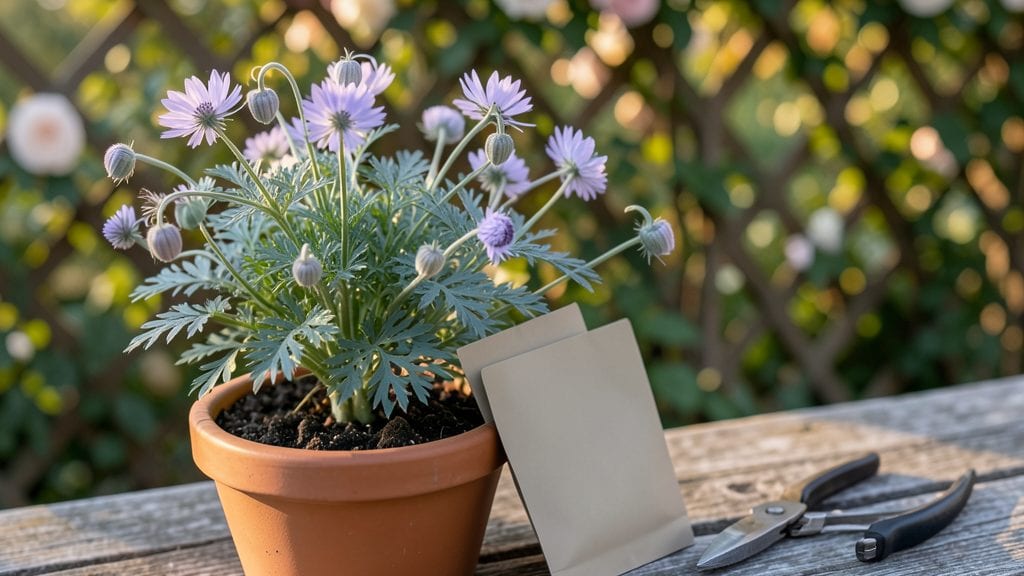
Planting nigella seeds in warm soil gives you those dreamy Love-in-a-Mist blooms in just 3-4 weeks—no waiting around for slow germination.
I've learned the hard way that cool soil makes seeds sulk, but with the right timing and a little prep, you'll see those delicate blue spires popping up faster than you can say "self-seeding annual."
The secret starts with soil that's at least 60°F—check by pressing your finger in about an inch deep. Scatter seeds lightly on top of loose, well-draining soil (no need to bury them deep), then cover with just a sprinkle of compost.
These seeds are tiny but tough, so spacing them 6-12 inches apart gives them room to spread without fighting for sunlight.
Once they sprout, you'll notice the first true leaves within 10-14 days, and by early summer, your garden will be dotted with those signature lacy blooms. The key is keeping the soil consistently moist but never soggy—think of it like a damp sponge, not a swamp.
A light misting from a watering can works best to avoid disturbing the delicate seedlings.
This method works for both spring and fall plantings in most climates, though late summer sowings often produce the most dramatic displays. The flowers even self-seed like crazy, so you'll have free plants next year if you let them go to seed.
Just don't forget to deadhead if you want to control where they pop up!
📚 In This Guide
- What you need
- Instructions
- Tips and common mistakes
- Wrapping up and next steps
What you need
- ● Nigella seeds – 1–2 grams (about 100–200 seeds) per square foot of planting area. Choose varieties like Nigella damascena (Love-in-a-Mist) for classic blooms.
- ● Well-draining potting mix – 5–10 gallons, depending on container size. Opt for a blend with perlite or sand (e.g., 60% garden soil, 30% compost, 10% perlite).
- ● Containers or garden beds – Containers: 6–12-inch deep pots with drainage holes (1–2 seeds per pot).
- ● Garden beds: Full sun (6+ hours/day) with loose, fertile soil.
- ● Watering can or spray bottle with a fine rose nozzle (to avoid disturbing seeds).
- ○ Plant labels – Optional but helpful for tracking varieties (e.g., Nigella ‘Persian Jewels’).
- ● Seed-starting trays – For indoor sowing 4–6 weeks before last frost (use if starting early).
- ● Clear plastic domes or row covers – To retain moisture during germination (remove once sprouts appear).
- ● Slow-release fertilizer (e.g., 5-10-5 NPK) – 1–2 tablespoons per gallon of soil for nutrient boost.
- ● Mulch (straw or shredded leaves) – To retain soil moisture and suppress weeds.
- ● Tweezers or seedling pickers – For precise seed placement (especially in small containers).
Step-by-Step instructions for planting nigella seeds
Here's how to get those delicate, lacy nigella blooms popping up quickly in your garden.
Choose the Right Time and Location
Nigella thrives in cool weather, so plant seeds outdoors 2-3 weeks before your last frost date—typically in early spring. The soil needs to be at least 50°F for fast germination, but don’t wait until it’s too hot; seeds can struggle in temperatures above 80°F. Choose a sunny spot with 6+ hours of direct sunlight daily—these plants love baking in the sun.
I always test the soil by pressing my finger 1 inch deep—if it feels dry, wait a day or two. Once it’s just slightly damp, it’s ready. Avoid heavy clay soil; nigella prefers well-draining ground. If your soil is dense, mix in 2-3 inches of compost to improve drainage and fertility.
Prepare the Soil and Sow Seeds
Loosen the soil to a depth of 6 inches with a garden fork or trowel, breaking up any compacted layers. Nigella seeds are tiny, so I like to scatter them ¼ inch deep—just press them into the soil rather than burying them. Space seeds 12-18 inches apart if you’re planting them in rows, or scatter them freely for a wildflower look.
Don’t overcrowd them—thinning later is easier than trying to rescue overgrown seedlings. After sowing, lightly cover the seeds with a thin layer of soil or compost. Water gently with a fine mist until the soil is evenly moist but not soggy. You’ll see tiny sprouts in 7-14 days if conditions are right.
Water and Maintain for Fast Growth
Once seedlings appear, water them deeply once a week—this encourages strong roots. Let the top 1 inch of soil dry out between waterings to prevent rot. Nigella is drought-tolerant once established, but young plants need consistent moisture. Avoid wetting the leaves when watering to prevent fungal issues.
Watch for true leaves (the second set after the initial cotyledons) to appear—this means the plant is ready for a little more care. If weeds start popping up, pull them early; nigella doesn’t compete well with aggressive weeds. A light mulch of straw or shredded leaves helps retain moisture and keeps the soil cool.
Thin and Support for Bold Blooms
When seedlings are 2-3 inches tall, thin them to 12-18 inches apart to give each plant room to grow. Use scissors to snip unwanted seedlings at the base—this prevents disturbing the roots of the ones you’re keeping. Stronger plants will produce larger, more abundant blooms with plenty of space.
Nigella stems can get top-heavy as they grow, especially in windy areas. If your plants reach 12 inches tall, gently tie them to stakes or small cages with soft twine. This keeps them upright and prevents them from flopping over. Deadhead spent blooms by pinching them off at the base—this encourages more flowers to form throughout the season.
Tips & tricks for perfect nigella seed germination
Fast germination is all about timing and soil conditions—here's how to give your nigella seeds the best possible start.
Timing is Everything: Those 2-3 weeks before your last frost date are critical for fast germination. If you're unsure about your frost date, check your local agricultural extension service or use a frost date calculator online. The goal is to plant when soil temperatures are consistently at least 50°F but haven't yet reached 80°F—this sweet spot gives you the fastest, most reliable sprouts. I've learned the hard way that planting too early in cold soil can delay germination by weeks.
Soil Preparation Secret: The 6-inch deep loosening in Step 2 isn't just about breaking up compacted soil—it's about creating an ideal environment for those tiny nigella seeds. Use a garden fork to loosen the soil while leaving the surface slightly rough. This texture helps the seeds maintain contact with the soil without being buried too deep. For even faster results, I like to add a thin layer of coarse sand mixed with the top inch of soil—this improves drainage and prevents the seeds from rotting.
Watering Wisdom: That gentle fine mist watering after sowing is more important than it seems. I use a spray bottle with a fine nozzle to avoid disturbing the seeds while ensuring even moisture. Watering deeply once a week after germination might seem counterintuitive, but it actually encourages those deep roots that make nigella so drought-tolerant once established. The key is letting the top inch of soil dry between waterings—this prevents rot while keeping the roots happy.
Thinning Technique: When you're thinning those 2-3 inch seedlings to 12-18 inches apart, here's my pro tip: use sharp scissors or pruning shears instead of pulling. This prevents disturbing the roots of the plants you're keeping. I like to thin on a cloudy day to reduce stress on the plants. The extra space gives each plant room to develop strong stems and produce those beautiful, abundant blooms we're all after.
Pro Tips for Nigella Seeds Planting
- Fast germination is all about timing and soil conditions—here's how to give your nigella seeds the best possible start.
- Timing is Everything: Those 2-3 weeks before your last frost date are critical for fast germination.
- Soil Preparation Secret: The 6-inch deep loosening in Step 2 isn't just about breaking up compacted soil—it's about creating an ideal environment for those tiny nigella seeds.
Frequently asked questions
Got questions about growing nigella seeds?
You’re not alone! Here are some of the most common queries—plus quick, practical answers to help you nail that fast germination and stunning blooms.
How deep should I plant nigella seeds?
Nigella seeds are tiny but mighty! Plant them just ¼ inch (0.6 cm) deep in warm, well-draining soil. Their small size means they don’t need much burial—think of them as delicate little parachutes ready to sprout. Cover lightly with soil or compost, then gently pat it down. Pro tip: Avoid pressing too hard to prevent compacting the soil around them.
Why aren’t my nigella seeds germinating?
Patience is key with nigella! Germination can take 10–21 days (or longer in cooler soil). If they’re slow to sprout, check these fixes:
- Soil temp: Keep it at least 60°F (15°C)—use a heat mat if needed.
- Moisture: Keep soil consistently damp (not soggy) but avoid overwatering.
- Light: They need bright, indirect light (or a grow light) to break dormancy.
- Freshness: Old seeds may struggle—buy new ones for best results.
Can I grow nigella seeds indoors first?
Start them indoors 4–6 weeks before your last frost for a head start. Use small pots or seed trays with well-draining potting mix. Place them in a sunny window or under grow lights (12–16 hours/day). Once seedlings have 2–3 true leaves and soil warms to 50°F (10°C), transplant them outdoors after hardening off (acclimate them to outdoor temps over 5–7 days).
Do nigella seeds need full sun?
While nigella loves full sun (6+ hours/day), they’re surprisingly adaptable. In hot climates, partial shade (3–4 hours of sun) can prevent bolting (premature flowering) and keep foliage lush. Just know: less sun = fewer blooms. If growing in containers, place them in the sunniest spot you have—even a balcony with morning light works!
What can I plant with nigella seeds for companion planting?
Nigella makes a fantastic companion for:
- Vegetables: Tomatoes, cucumbers, and squash (their delicate blooms attract pollinators like bees and butterflies).
- Herbs: Basil and parsley (they thrive in similar sunny conditions).
- Other flowers: Marigolds (repel pests) and calendula (supports pollinators).
Wrapping up and next steps
Growing nigella seeds is a rewarding journey that brings delicate, lacy blooms to your garden with minimal effort—especially when you follow the right steps! 🌱 With fast germination in warm soil and low-maintenance care, these seeds are perfect for beginners and seasoned gardeners alike.
Now that you’re armed with the how-to, why not plant a few this weekend and enjoy their charming, cottage-core beauty?
Ready to level up? Try experimenting with nigella seeds in containers or mix them into wildflower meadows for a whimsical touch. Happy planting!