
Pruning
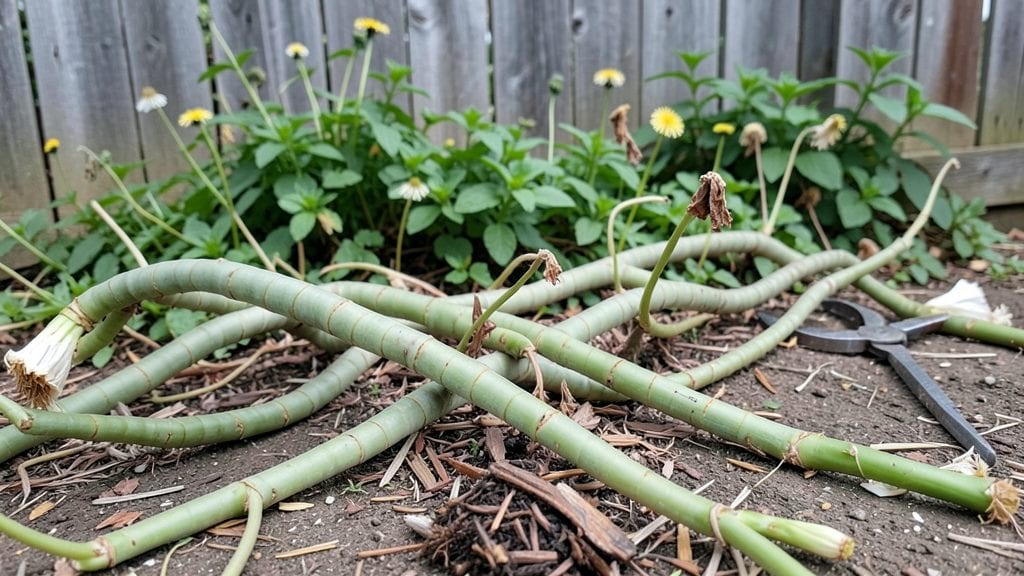
The night-blooming cereus plant pruning secret—timing it right—transforms a nerve-wracking chore into the key to a dazzling floral show next year. 🌙 I’ve learned that cutting too early or too late means fewer blooms—or none at all.
The secret lies in waiting until after the flowers fade and the plant enters its natural resting phase.
You’ll need just three basic tools: clean pruning shears, rubbing alcohol for sterilizing cuts, and a sharp pencil to mark where to trim. The goal is to remove dead stems while preserving the energy stored in the plant’s thick, water-filled segments.
Most gardeners mess this up by cutting too aggressively—stick to removing only the parts that look shriveled or hollow.
After pruning, your plant will focus its energy on healing and storing up for next year’s blooms. Within 4-6 weeks, you’ll see fresh, plump segments forming at the base, ready to grow into strong new stems. The key is patience—rushing the process can stress the plant and delay flowering.
This method works for both indoor and outdoor night blooming cereus, whether you’re growing in pots or letting it sprawl along a trellis. The same principles apply whether you’re dealing with Selenicereus grandiflorus or other varieties—just adjust timing slightly based on your local climate.
Here’s how to do it right the first time.
📚 In This Guide
- What you need
- Instructions
- Tips and common mistakes
- Wrapping up and next steps
What you need
- ● Pruning shears or bypass pruners – Sharp, clean, and sterilized (avoid dull tools that crush stems). Size: 5–7 inches for precision.
- ● Rubbing alcohol (70% isopropyl) or hydrogen peroxide – For sterilizing tools (prevents disease spread).
- ● Garden gloves – Thick, cut-resistant (cactus spines are sneaky!).
- ● Disposable gloves or paper towels – For handling sap (Night Blooming Cereus sap can irritate skin).
- ● Small container or bucket – For collecting cuttings (if propagating).
- ○ Rooting hormone (optional but helpful) – For cuttings (speeds up root growth).
- ● Cactus/succulent soil mix – Well-draining, gritty (avoid regular potting soil—it’s too dense!).
- ● Small pots (2–4 inches in diameter) – For propagating cuttings (if expanding your collection).
- ● Choose the right time – Prune after flowering (late spring/early summer) or during dormancy (winter).
- ● Work in bright, indirect light – Avoid direct sun (it can stress the plant while pruning).
- ● Have a first-aid kit nearby – For cactus spine pricks (just in case!).
- ● Water the plant lightly 24 hours prior – Reduces stress during pruning.
Step-by-Step guide to pruning night blooming cereus for maximum flowers
Here's how to prune your night blooming cereus like a pro—timing matters more than you think.
✂️ Step 1: Wait for the Right Time After Blooming
Prune your night blooming cereus 4-6 weeks after flowering, once the flower stalks have completely withered and turned brown. This gives the plant time to recover its energy before cutting back. I always wait until I see no green tissue remaining on the flower stalk—that's your cue it's fully spent.
Never prune right after blooming. The plant is still directing energy toward seed production, and cutting too soon stresses it unnecessarily. If you prune too early, you risk stunting next year's flower buds. Patience here pays off with bigger blooms next season.
🌱 Step 2: Identify and Remove Dead or Weak Segments
Examine each segment (or "joint") of your cereus. Look for shriveled, discolored, or hollow segments—these won't produce new growth and should be removed. Use clean, sharp pruning shears to cut just above a healthy node (the bump where new growth can emerge).
I always make my cuts at a slight angle to prevent water from pooling on the wound. If a segment feels soft or mushy when pressed, it's dead and should be discarded. Healthy segments should be firm with a slight give when squeezed gently.
⏰ Step 3: Prune for Shape and Airflow
Step back and assess your plant's shape. Night blooming cereus grows best with 3-5 main stems coming from the base. If any stems are crossing or growing inward, trim them back to encourage outward growth. Aim for a balanced, open structure that allows air to circulate freely.
Don't over-prune—never remove more than one-third of the plant's total segments in a single session. If you cut back too aggressively, the plant may focus on regrowing rather than storing energy for next year's blooms. Think of this as a light trim, not a drastic makeover.
💧 Step 4: Care for Your Cereus Post-Pruning
After pruning, withhold water for 3-5 days to allow the cuts to callus over slightly. This reduces the risk of rot. Once you resume watering, use the 1 cup of water every 2 weeks (as mentioned in your materials) and let excess drain completely.
Place your cereus in a spot with bright, indirect light for the first week after pruning. Avoid direct sunlight, which can stress newly exposed segments. You'll know it's recovering when you see new growth buds forming at the nodes within 4-6 weeks.
☀️ Step 5: Prepare for Next Season's Blooms
Starting 8 weeks after pruning, resume normal care with morning sunlight and afternoon shade. This gradual reintroduction to light helps the plant build energy for next year's flowers. I always fertilize lightly with a balanced 10-10-10 fertilizer every 6 weeks during the growing season to encourage strong, healthy growth.
By late summer, your cereus should be putting on new segments. This is when it's storing energy for its big bloom. Watch for small bumps forming along the segments—these are next year's flower buds. If you've pruned correctly, you'll see more of these bumps than you did before!
Tips & tricks for pruning night blooming cereus like a pro
Perfect timing and careful technique are everything when it comes to pruning your night blooming cereus—here's how to avoid common mistakes and get the best results.
The 4-6 Week Rule: I can't stress this enough—the 4-6 week window after flowering is your golden opportunity. The plant needs this time to redirect energy from seed production to recovery. If you prune too soon, you'll see fewer flower buds next season. Mark your calendar right after blooming to track those 4-6 weeks accurately.
Node Identification: Those little bumps where segments meet are where all the magic happens! When removing segments in Step 2, always cut just above a healthy node at a slight angle. This prevents water from pooling and gives new growth the best chance. I've seen so many people make clean cuts below the node—don't make that mistake! Healthy nodes should feel firm and slightly raised, not flat or sunken.
Shape Matters: Think of your cereus like a tree—you want that balanced, open structure with 3-5 main stems. When pruning for shape in Step 3, imagine sunlight filtering through the branches. Crossing stems block airflow and light, which leads to weaker growth. If you're unsure about what to cut, take a photo first—you can always remove more later if needed, but you can't put back what you've cut away.
Post-Pruning Recovery: The 3-5 day water break in Step 4 is crucial for preventing rot. I've seen too many people rush back to watering and end up with mushy segments. During this time, place your plant in bright, indirect light and resist the urge to check on it constantly. The callusing process happens best when left undisturbed. After those 5 days, stick to the 1 cup every 2 weeks schedule—your plant will thank you with stronger new growth.
Pro Tips for Night Blooming Cereus Plant Pruning
- Perfect timing and careful technique are everything when it comes to pruning your night blooming cereus—here's how to avoid common mistakes and get the best results.
- The 4-6 Week Rule: I can't stress this enough—the 4-6 week window after flowering is your golden opportunity.
- Node Identification: Those little bumps where segments meet are where all the magic happens!
Frequently asked questions
Got questions about pruning your night-blooming cereus? You’re not alone! Here are some of the most common concerns—and expert answers—to keep your plant thriving and flowering beautifully.
When is the best time to prune my night-blooming cereus?
The ideal time is right after flowering (late spring or early summer) or in early spring before new growth begins. Avoid pruning during dormancy (fall/winter) or when buds are forming—this can stress the plant and reduce next year’s blooms. Pro tip: Wait until at least 2–3 weeks after the last flower drops to ensure you’re not cutting off potential blooms!
How do I know if I’ve pruned too much?
If you’ve removed more than 1/3 of the plant’s healthy segments or cut into the main stem excessively, your cereus may struggle to recover. Signs of over-pruning include yellowing segments, slow regrowth, or no new buds. To fix it, reduce watering slightly and place the plant in bright, indirect light while it recovers.
Can I propagate my night-blooming cereus from pruned cuttings?
Healthy segments (3–5 inches long) can be used for propagation. Let the cut ends callus over for 1–2 days, then plant them in cactus/succulent mix. Keep the soil slightly moist (not soggy) and place in bright, indirect light. Roots typically form in 4–6 weeks—just be patient!
Why did my night-blooming cereus stop flowering after pruning?
Several factors could be at play: over-pruning, improper timing, or stress (like sudden temperature changes or overwatering). To encourage blooms, ensure your plant gets 12+ hours of darkness monthly (mimicking its natural cycle) and fertilize lightly in spring with a low-phosphorus cactus fertilizer. If the issue persists, check for pests or root rot!
Do I need special tools to prune my night-blooming cereus?
Not necessarily! A clean, sharp pair of pruning shears or a sterile knife works best. Avoid dull tools—they can crush the stems and invite infections. Pro tip: Dip your tools in rubbing alcohol before and after pruning to prevent disease. For larger plants, sterilized pruning saws can help too.
Wrapping up and next steps
Pruning your night-blooming cereus at the right time ensures vibrant blooms and a healthier plant. Remember to trim after flowering, avoid over-pruning, and use clean tools to prevent disease. With patience and care, your plant will reward you with stunning, fragrant flowers year after year! 🌸
Ready to take the next step? Observe your plant’s growth and adjust your pruning schedule as needed—your green thumb is growing stronger every day! 🌱