
Fertilization
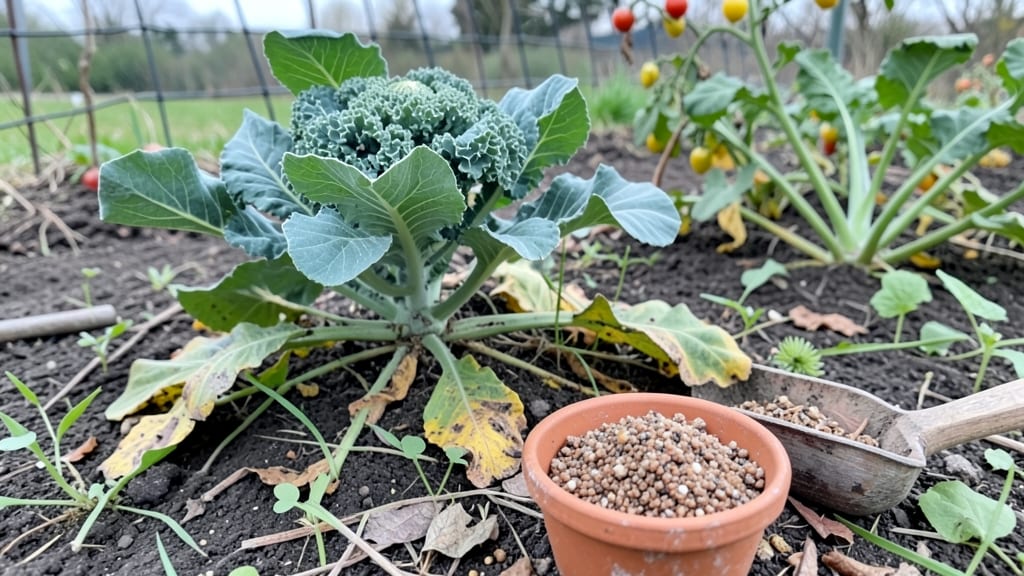
NPK plant food ratios indicate nitrogen (N), phosphorus (P), and potassium (K) percentages, guiding growth (leafy, root, or flowering) and soil needs. For example, a 10-10-10 mix supports balanced growth, while 5-10-5 boosts blooms. Always match ratios to your plant’s life stage and soil test results.
Understanding NPK plant food starts with recognizing how these three nutrients work together. Nitrogen (N) is the growth engine—it fuels lush, green foliage by promoting chlorophyll production, while phosphorus (P) acts as the energy booster, critical for root development and flower formation.
Potassium (K) plays the supporting role, enhancing disease resistance and overall plant vigor. 🌱 The magic happens when you tailor these ratios to your plants' specific needs: leafy greens thrive with higher nitrogen, while flowering plants need more phosphorus to support blooms.
For instance, a 30-10-10 ratio is ideal for lawns that need rapid leaf growth, whereas tomatoes benefit from a 10-20-20 mix to encourage both foliage and fruit production. Always check your soil first—deficiencies often reveal themselves through visual cues like yellowing leaves (nitrogen deficiency) or weak stems (potassium shortage).
Organic options like compost or bone meal provide slow-release nutrients, while synthetic fertilizers offer precise control.
💡 In This Article
- Decoding NPK Ratios for Plant Growth Stages
- Choosing NPK Fertilizers by Plant Type and Soil Needs
Decoding NPK ratios for plant growth stages
Nitrogen (N) is the powerhouse behind leafy growth because it's a key building block of chlorophyll, the green pigment that captures sunlight for photosynthesis. When plants absorb nitrogen, they produce more amino acids and proteins, which translates to vibrant, dense foliage.
Think of it like fuel for a car—without enough nitrogen, your plants will struggle to grow lush, green leaves, often showing up as pale or yellowing foliage. 🌿 For example, leafy greens like spinach or lettuce thrive with higher nitrogen ratios like 20-10-10, while nitrogen deficiency can stunt growth and weaken stems.
Phosphorus (P) plays a crucial role in energy transfer within plants, particularly during root development and flowering. It helps plants convert sugars and starches into energy, which is why phosphorus-rich fertilizers like 5-10-5 are ideal for plants in their flowering stage.
This nutrient also strengthens cell membranes, making plants more resilient to stress. You'll notice phosphorus deficiency in plants that produce flowers or fruits but struggle to set blooms—leaves may turn dark green or purple, especially on the undersides.
The science here involves ATP (adenosine triphosphate) production, the energy currency of cells, where phosphorus is a critical component.
Potassium (K) acts as the plant's immune system booster and stress regulator. It helps plants manage water uptake, regulate enzyme activity, and resist diseases and pests. A ratio like 10-10-20 is often used for plants under stress or in high-temperature conditions.
Potassium deficiency often shows as weak stems, yellowing leaf edges, or poor fruit quality.
The mechanism here involves potassium's role in maintaining cell turgor pressure, which keeps plants upright and helps them absorb water efficiently. 💪 For instance, tomatoes benefit from higher potassium during fruiting to prevent blossom-end rot, a condition caused by calcium deficiency but exacerbated by potassium imbalances.
Seedlings and young plants need a different balance than mature or flowering plants. For example, a 10-5-5 ratio is often recommended for seedlings because they prioritize root development over leafy growth.
As plants mature, you might shift to a 5-10-5 ratio to encourage flowering, then adjust to a 5-10-10 or 10-10-20 ratio during fruiting. This progression mirrors the plant's natural life cycle, where energy shifts from vegetative growth to reproductive stages.
Understanding these shifts helps gardeners avoid over-fertilizing with nitrogen late in the season, which can delay flowering or fruiting.
Soil type also influences how plants absorb these nutrients. Sandy soils drain quickly, so nutrients like nitrogen may leach away faster, requiring more frequent applications. Clay soils, on the other hand, hold nutrients tightly, which can lead to deficiencies if not balanced with organic matter.
Conducting a soil test every 2-3 years helps you adjust NPK ratios based on what your soil is already providing. For instance, if your soil is naturally high in phosphorus, you might opt for a 15-5-15 ratio instead of a balanced 10-10-10 mix.
Here's what's actually happening at the cellular level: Nitrogen is absorbed as nitrate (NO₃⁻) or ammonium (NH₄⁺) and incorporated into amino acids, which build proteins. Phosphorus is taken up as phosphate (H₂PO₄⁻) and used in DNA, RNA, and ATP synthesis.
Potassium is absorbed as K⁺ ions and regulates osmotic pressure and enzyme activation. These processes ensure that every part of the plant—roots, stems, leaves, and flowers—gets the right nutrients at the right time. 🌱
The key takeaway is that NPK ratios aren't one-size-fits-all. Matching the ratio to your plant's growth stage and soil conditions ensures optimal health and productivity. Start with a soil test, observe your plants for deficiency signs, and adjust your fertilizer strategy accordingly.
This precision approach maximizes your gardening efforts and minimizes waste.