
Lawn
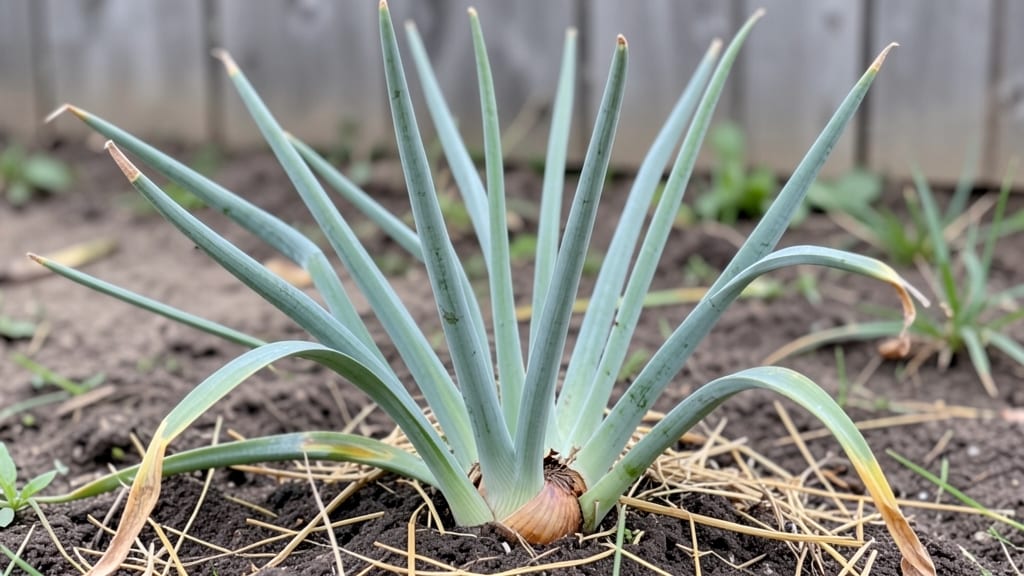
Growing onion grass from seed gives you a fragrant, low-maintenance plant that doubles as edible garnish and ornamental grass. 🌱 I’ve watched mine spread effortlessly across garden beds, adding texture while keeping weeds at bay. The key is mimicking its natural habitat—well-draining soil and full sun—so it thrives without fuss.
This hardy perennial handles drought once established and even tolerates light foot traffic, making it perfect for borders or between stepping stones. Start with seeds in spring or divide mature clumps in early fall.
Within 6-8 weeks, you’ll see lush, arching foliage that smells like fresh onions when crushed—a subtle but delicious bonus.
Onion grass stays green through winter in most climates, though it may brown in extreme cold. The real magic happens when you snip sprigs for salads or garnishes—fresh, pungent flavor straight from your yard.
Just avoid overwatering, which causes yellowing, and you’ll have a near-indestructible ground cover that keeps giving.
Works as a standalone plant or mixed with other grasses for height and movement. Once you try it, you’ll wonder why you didn’t add it sooner—it’s the ultimate no-work, high-reward garden solution. Ready to grow yours?
📚 In This Guide
- What you need
- Instructions
- Tips and common mistakes
- Wrapping up and next steps
What you need
- ● Onion grass seeds: 1 packet (200–500 seeds, depending on variety). Look for organic, non-GMO seeds for the best results.
- ● Seed-starting trays or small pots: 2–4 (3–4 inches deep) with drainage holes. Biodegradable pots work great for transplanting!
- ● Potting mix: 1–2 bags (high-quality, well-draining mix with perlite or vermiculite). Avoid heavy garden soil.
- ● Grow lights or sunny windowsill: A full-spectrum LED grow light (12–16 hours/day) or a south-facing window with 6+ hours of sunlight.
- ● Misting bottle or spray nozzle: For gentle watering to keep seeds moist without disturbing them.
- ○ Fertilizer (optional but helpful): A balanced liquid fertilizer (5-5-5 or 10-10-10) or organic options like fish emulsion or compost tea.
- ● Scissors or small knife: For trimming seedlings or harvesting.
- ● Garden trowel: For transplanting seedlings into larger containers or garden beds.
- ● Twine or plant labels: To mark pots and track growth stages.
- ● Humidity dome or plastic wrap: Keeps seeds cozy until germination (remove once sprouts appear!).
- ● Pruning shears: For harvesting mature grass without damaging the plant.
- ● Garden gloves: Protect your hands from soil and sharp grass blades.
- ● Air purifier or fan: Improves airflow to prevent mold (especially in humid climates).
- ● Drying rack or paper towels: For air-drying harvested grass before storage.
Step-by-Step instructions for growing onion grass from seed
This fragrant herb thrives with patience—here’s how to coax it from tiny seeds into lush, savory clumps.
🌱 Step 1: Prepare Containers and Seed Mix
Fill 4-inch diameter pots with 2 gallons of well-draining potting mix—I blend mine with 1 cup perlite to prevent soggy roots. Onion grass hates compacted soil, so fluff the mix with your fingers until it’s light and airy. Press down gently to create a firm planting surface, but don’t pack it tightly. The goal is a texture that holds moisture without suffocating roots.
Moisten the mix with lukewarm water until it’s damp to the touch but not dripping. Too much water now will cause the seeds to rot before they sprout. Place the pots in a shallow tray to catch any excess drainage—this keeps your workspace clean and prevents waterlogged soil.
🌱 Step 2: Sow Seeds and Maintain Moisture
Scatter 1/4 teaspoon of onion grass seeds evenly across the soil surface—these tiny seeds germinate best when exposed to light, so don’t bury them. Gently press them into the top layer with your fingertip, just enough to make contact. Cover the pot with a clear plastic dome or wrap it in plastic wrap to trap humidity; onion grass seeds need consistent moisture to sprout.
Place the pots in a warm, bright spot (around 70-75°F) but avoid direct sunlight—this can dry out the soil too quickly. Check daily and mist the soil with water if it feels dry to the touch. Germination takes 10-14 days, but don’t be surprised if it takes longer in cooler conditions. Patience here pays off—rushing watering will drown the delicate sprouts.
☀️ Step 3: Provide Light and Thin Seedlings
Once seedlings emerge, remove the plastic dome immediately to prevent fungal growth. Move the pots to a south-facing window or under grow lights for 12-14 hours of light daily. Onion grass grows best with bright, indirect light—direct midday sun can scorch the tender leaves. You’ll know your plants are happy when they develop long, slender blades and a fresh, onion-like scent when brushed.
When seedlings reach 2-3 inches tall, thin them to 3-4 plants per pot by snipping the weakest stems at the base with clean scissors. Overcrowding stresses the plants and reduces yield. After thinning, water lightly to settle the soil around the remaining stems. This is also a good time to add a balanced liquid fertilizer (diluted to half strength) to encourage robust growth.
💧 Step 4: Water and Fertilize for Lush Growth
Water onion grass every 2-3 days, allowing the top 1 inch of soil to dry out between waterings. This herb prefers consistent moisture but hates soggy roots—yellowing leaves signal overwatering. Use room-temperature water to avoid shocking the plants, and water at the base to keep the leaves dry, which prevents fungal diseases.
Every 4-6 weeks, feed the plants with a low-nitrogen fertilizer (like a 5-5-5 blend) to promote leafy growth. Stop fertilizing 6-8 weeks before harvest—this ensures the grass develops its signature sharp, savory flavor. You’ll notice the scent intensify as the plants mature, signaling they’re ready for use.
✂️ Step 5: Harvest and Maintain for Continuous Yield
Harvest onion grass when the blades reach 6-8 inches tall by cutting them 1-2 inches above the base with sharp scissors. This encourages regrowth and prevents the plant from becoming woody. Bundle the harvested grass and store it in the fridge for up to 2 weeks, or dry it for long-term use. For continuous harvests, trim the plants every 3-4 weeks—they’ll reward you with fresh, fragrant growth.
If grown as a perennial, protect the plants from frost by moving them indoors or covering them with frost cloth. With proper care, onion grass can live for years, providing a steady supply of this versatile herb for cooking and garnishes. The key is consistency—keep the soil moist, the light bright, and the patience steady.
Tips & tricks for perfect onion grass growth
Growing onion grass from seed is all about patience and precision—here's how to avoid common pitfalls and maximize your harvest.
Soil Texture Matters: In Step 1, when preparing your 2-gallon potting mix, don't underestimate the importance of that 1 cup of perlite. The mix should crumble easily between your fingers—if it feels dense, add another 1/4 cup perlite. Onion grass roots need oxygen just as much as water, and compacted soil will strangle your seedlings before they even sprout. I've learned this the hard way after watching entire batches fail due to poor drainage.
Germination Environment: The 10-14 day germination window in Step 2 is your first critical test. Maintain that 70-75°F temperature consistently—even a 5°F drop can double germination time. Place your pots on top of a refrigerator (not inside) for stable warmth, or use a seedling heat mat if available. The plastic dome creates a greenhouse effect, but remove it immediately when you see sprouts—condensation on leaves can trigger fungal diseases.
Light Management: Once your seedlings emerge in Step 3, that 12-14 hours of daily light becomes non-negotiable. South-facing windows work, but cloudy days require supplemental grow lights. I position my plants 6 inches below full-spectrum LEDs to prevent leaf burn. Watch for the telltale onion scent when brushing the leaves—this confirms they're getting enough light and developing proper flavor compounds.
Thinning Technique: When thinning to 3-4 plants per pot in Step 3, use clean scissors to make precise cuts at the soil line. Never pull seedlings by hand—this damages roots and creates wounds where pathogens can enter. After thinning, give the remaining plants a light watering to help them recover. The scent will intensify noticeably after this step as the plants focus their energy on stronger growth.
Pro Tips for Onion Grass Plant
- Growing onion grass from seed is all about patience and precision—here's how to avoid common pitfalls and maximize your harvest.
- Soil Texture Matters: In Step 1, when preparing your 2-gallon potting mix, don't underestimate the importance of that 1 cup of perlite.
- Germination Environment: The 10-14 day germination window in Step 2 is your first critical test.
Frequently asked questions
How long does onion grass take to grow from seed?
Onion grass seeds typically sprout within 10–14 days under ideal conditions (warm soil, consistent moisture, and indirect light). Full maturity—ready for harvest—takes about 6–8 weeks. Patience pays off with tender, flavorful leaves!
Can onion grass survive winter?
This herb is not frost-tolerant and thrives best in USDA Zones 9–11. In cooler climates, grow it as an annual or harvest before temperatures drop below 40°F. For year-round greens, try overwintering indoors with bright light.
What’s the difference between onion grass and regular onion plants?
Onion grass (Allium fistulosum) is a perennial with hollow stems and mild onion flavor, while typical onions (Allium cepa) are biennials with bulbs. Onion grass is leafier, faster-growing, and perfect for garnishes—no waiting for bulbs!
Why is my onion grass turning yellow or wilted?
Yellowing leaves often signal overwatering (soil should stay moist but not soggy) or nutrient deficiency. Wilting can mean underwatering or heat stress. Check soil drainage, adjust watering, and fertilize lightly with a balanced mix every 4–6 weeks.
Can I grow onion grass in containers?
Absolutely!
Use a pot at least 6 inches deep with drainage holes. A 5-gallon container works well for 2–3 plants. Ensure it gets 4–6 hours of sunlight daily and keep soil consistently moist. Perfect for patios or kitchens!
Pro Tip: Harvest onion grass early and often—cut outer leaves when they’re 6–8 inches tall to encourage bushier growth. Avoid taking more than 1/3 of the plant at once to keep it thriving!
Wrapping up and next steps
Growing onion grass is a rewarding journey that brings fragrant, edible foliage right to your doorstep—whether for culinary adventures or natural pest control. 🌱 From selecting the right seeds to nurturing your plants with patience, every step is manageable with the right tools and care.
Now that you’re armed with tips and answers to common questions, it’s time to roll up your sleeves and get planting!
Start small—perhaps a few pots or a dedicated garden bed—and watch your harvest grow. Before you know it, you’ll be snipping fresh onion grass for salads, garnishes, or even homemade remedies. Happy gardening! 🌿