
Companion Plants
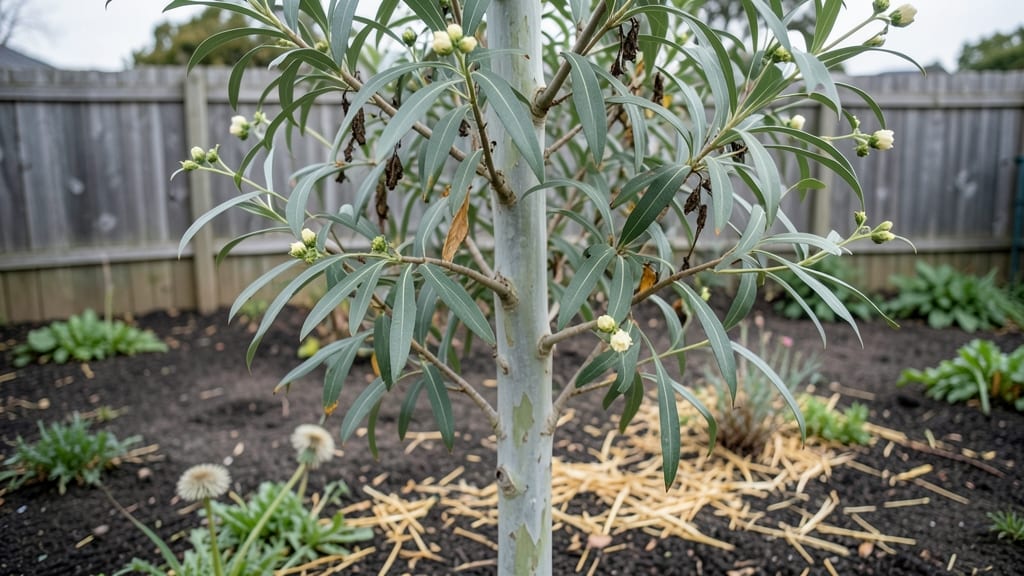
Growing outdoor eucalyptus plants transforms your yard into a fragrant sanctuary with silvery-green foliage that thrives year-round. 🌿 I planted mine three years ago, and the crisp scent and towering height now create a living privacy screen that neighbors envy.
The key isn't just sticking a sapling in the ground—it's matching their Mediterranean roots to your climate and soil.
The right conditions make all the difference: well-draining soil, full sun, and protection from harsh winds. Most people overwater, but eucalyptus actually prefers dry spells once established. Start with a young tree in a container if your winters dip below 15°F—these tropical natives need winter care to survive long-term.
The first year is about getting them rooted strong enough to handle your local weather.
By summer's end, you'll have a lush, fragrant wall that blocks noise and filters dust while attracting pollinators. The scent alone—like a spa in your backyard—makes the effort worthwhile. Pruning in late winter keeps them shaped and prevents branches from becoming too heavy.
With proper care, your eucalyptus will grow 2-3 feet annually, creating that dreamy tropical escape you've always wanted.
Works beautifully as a standalone screen, mixed with other evergreens, or even near patios where the scent lingers. The only catch? Be patient—full privacy takes 3-5 years of growth. But once those towering branches fill out, you'll never want to live without them.
📚 In This Guide
- What you need
- Instructions
- Tips and common mistakes
- Wrapping up and next steps
What you need
- ● Eucalyptus plants: Choose between: 1–3 Eucalyptus globulus (Tasmanian blue gum) saplings (6–12 inches tall)
- ● OR 1–2 Eucalyptus cinerea (argyle apple) plants for milder climates
- ● Well-draining soil: 5–10 cubic feet of a mix of: 60% garden soil
- ● 30% coarse sand or perlite
- ○ 10% compost (optional, for nutrient boost)
- ● Planting containers (if not in-ground): 1–2 large pots (15–20 gallons each) with drainage holes
- ● Mulch: 2–3 cubic feet of wood chips or pine bark (to retain moisture and suppress weeds)
- ● Garden trowel or shovel (for digging)
- ● Pruning shears (for shaping and maintenance)
- ● Watering can or hose with a gentle spray nozzle
- ● Gloves (to protect hands from rough bark)
- ○ pH testing kit (optional) (to check soil acidity, ideal range: 5.0–6.5)
- ○ Slow-release fertilizer (optional) (e.g., 10-10-10 NPK blend, 1–2 lbs per plant)
- ● Sunlight: A location with full sun (6+ hours daily)—eucalyptus thrives in bright, open spaces!
- ● Climate: USDA Zones 8–11 (hardy to 15°F; may need winter protection in colder zones)
- ● Space: Minimum 10–15 feet apart for mature growth (some varieties reach 50+ feet!)
- ● Water source: Access to water for the first 2–3 weeks post-planting (drought-tolerant once established)
Step-by-step guide to planting outdoor eucalyptus for privacy
Here’s how to create a fragrant, evergreen screen that thrives year-round with minimal fuss.
🌱 Step 1: Choose the Right Location and Prepare the Soil
Eucalyptus needs full sun—at least 6 hours daily—and well-draining soil. Avoid low spots where water pools, as soggy roots will kill the plant. Test your soil by digging a 6-inch hole; if water sits for more than an hour, amend with 2-3 inches of coarse sand or gravel to improve drainage.
I always plant mine where they’ll get afternoon sun but some morning shade in hot climates. The leaves release their signature scent most strongly in warm, breezy conditions, so pick a spot with gentle airflow. If your yard has heavy clay soil, mix in 1-2 inches of compost to loosen it up—eucalyptus roots need room to spread.
🪴 Step 2: Dig and Plant with Proper Spacing
Dig a hole twice as wide as the root ball but only as deep. Eucalyptus roots grow horizontally, so depth matters less than width. Gently loosen the roots of your nursery plant if they’re circling—just tease them apart with your fingers. Place the plant so the top of the root ball sits 1 inch below soil level to encourage strong root growth.
For a 4-plant privacy screen, space them 10-12 feet apart. This gives them room to mature without competing for water or nutrients. Backfill the hole with native soil, pressing lightly to remove air pockets. Water deeply right after planting to settle the soil around the roots—you’ll know it’s right when water drains through the bottom of the hole within 30 minutes.
☀️ Step 3: Water Deeply and Establish a Routine
Eucalyptus is drought-tolerant once established, but young plants need 1-2 inches of water weekly during their first growing season. Water deeply—soak the soil to 12 inches down—rather than frequent shallow watering. This encourages deep root growth, which makes the plant resilient against dry spells.
I set a reminder to check moisture by sticking my finger 2 inches into the soil. If it feels dry, water again. Mulch with 2-3 inches of wood chips around the base (but keep it 6 inches away from the trunk) to retain moisture and suppress weeds. Avoid over-mulching—too much can smother the roots and trap excess moisture.
✂️ Step 4: Prune for Shape and Health
Prune eucalyptus once a year in late winter or early spring before new growth begins. Remove any dead, diseased, or crossing branches first—cut back to the nearest healthy bud or branch collar. For shaping, trim no more than 1/3 of the plant’s height at a time to avoid stressing it.
Here’s the thing—eucalyptus grows fast, so I prune mine gradually over a few years to maintain a tidy screen. Use clean, sharp pruners to make cuts at a 45-degree angle just above a leaf node. Avoid heavy pruning in fall, as new growth won’t harden off before winter. You’ll see fresh, vibrant growth within 4-6 weeks of pruning.
🌿 Step 5: Maintain Year-Round for Long-Term Lushness
Eucalyptus is low-maintenance, but a monthly check-in keeps it thriving. Look for signs of pests like psyllids (tiny yellow insects) or aphids—spray with water if you see them, or treat with neem oil if infestations persist. Fertilize once a year in early spring with a balanced, slow-release fertilizer (like 10-10-10) to support steady growth.
In colder climates, young eucalyptus may need winter protection—wrap the base with burlap if temperatures dip below 15°F. Mature plants usually handle frost better, but their leaves may brown slightly. Don’t panic—new growth will emerge in spring. With proper care, your eucalyptus screen will stay fragrant, lush, and private for years to come.
Tips & tricks for perfect outdoor eucalyptus privacy screens
Here's what nobody tells you about growing eucalyptus that actually makes the difference between a struggling plant and a thriving privacy screen.
The Sunlight Secret: That 6 hours of full sun is non-negotiable, but here's the thing—morning sun helps prevent leaf scorch in hot climates. I plant mine where they get afternoon sun but some morning shade. The leaves actually release their signature scent most strongly in those warm, breezy afternoon conditions, so position your plants where you'll get that fragrant breeze when you're relaxing outside.
Soil Test Hack: Don't just guess about drainage! Dig that 6-inch hole and fill it with water. If it drains within an hour, you're good. If not, you'll need to amend with 2-3 inches of coarse sand or gravel. For heavy clay soil, I mix in 1-2 inches of compost to loosen it up—this makes all the difference for those horizontal roots that need room to spread.
Planting Depth Matters: That 1-inch below soil level placement isn't just arbitrary—it creates the perfect conditions for strong root growth. When you're placing your plant, make sure the top of the root ball sits exactly 1 inch below the surrounding soil. Too high and roots won't establish properly; too low and you risk rot.
Watering Wisdom: Those 1-2 inches of weekly water during the first year should go deep—aim for soaking the soil to 12 inches down. I check moisture by sticking my finger 2 inches into the soil. If it feels dry, that's your cue to water. The key is infrequent but thorough watering to encourage those deep roots that make eucalyptus so drought-tolerant once established.
Pro Tips for Outdoor Eucalyptus Plants
- Here's what nobody tells you about growing eucalyptus that actually makes the difference between a struggling plant and a thriving privacy screen.
- The Sunlight Secret: That 6 hours of full sun is non-negotiable, but here's the thing—morning sun helps prevent leaf scorch in hot climates.
- Soil Test Hack: Don't just guess about drainage!
Frequently asked questions
Got questions about growing outdoor eucalyptus plants?
Here are answers to the most common ones—from planting to maintenance—so you can enjoy your fragrant privacy screen with confidence!
Can eucalyptus grow in cold climates?
Most eucalyptus varieties thrive in USDA Zones 8-11 and struggle in frost. If you live in colder areas, opt for Eucalyptus gunnii (a hardier dwarf species) or grow them in containers and bring them indoors during winter. Mulching also helps insulate roots from cold snaps!
How fast do eucalyptus trees grow?
Eucalyptus is a fast-growing plant! Under ideal conditions, they can grow 3-6 feet per year, reaching maturity (15-30 feet tall) in just 5-10 years. For privacy screens, expect noticeable growth within a few seasons—just be prepared for their rapid expansion!
Are eucalyptus trees invasive?
Some eucalyptus species (like E. globulus) can be invasive in warm, wet climates, spreading aggressively and outcompeting native plants. Always check local regulations before planting! For safer options, choose E. cinerea or E. urnigera, which are less likely to spread.
How much water do outdoor eucalyptus plants need?
Eucalyptus is drought-tolerant once established but needs regular watering (1-2 inches per week) for the first year. Overwatering can cause root rot, so ensure well-draining soil. In hot climates, deep watering every 7-10 days keeps them lush without waste.
Do eucalyptus plants attract bees or pests?
Eucalyptus is bee-friendly and attracts pollinators with its nectar! However, they’re generally pest-resistant. Watch for psyllids (tiny sap-sucking insects) or aphids—spray with water or insecticidal soap if needed. Their strong scent often deters pests naturally!
What’s a good alternative if eucalyptus won’t grow in my area?
If your climate is too cold or dry, try these fragrant, fast-growing alternatives:
- Lavender – Drought-resistant, aromatic, and great for borders.
- Rosemary – Hardy, evergreen, and thrives in containers.
- Olive trees – Cold-hardy, low-maintenance, and elegant.
- Bamboo (clumping types) – Fast-growing privacy screen (but non-invasive!).
Wrapping up and next steps
Transforming your outdoor space with fragrant, evergreen eucalyptus plants is a rewarding way to add beauty, privacy, and natural charm year-round! 🌿 Whether you’re drawn to their silvery foliage, soothing scent, or low-maintenance nature, these versatile plants are a fantastic addition to gardens, patios, or even as standalone statement pieces.
With the right care—sunlight, well-draining soil, and occasional pruning—you’ll enjoy their lush greenery and aromatic benefits for seasons to come.
Ready to get started? Pick your favorite variety and plant it this weekend—your future self (and your nose!) will thank you. Happy gardening! 🌱