Trees
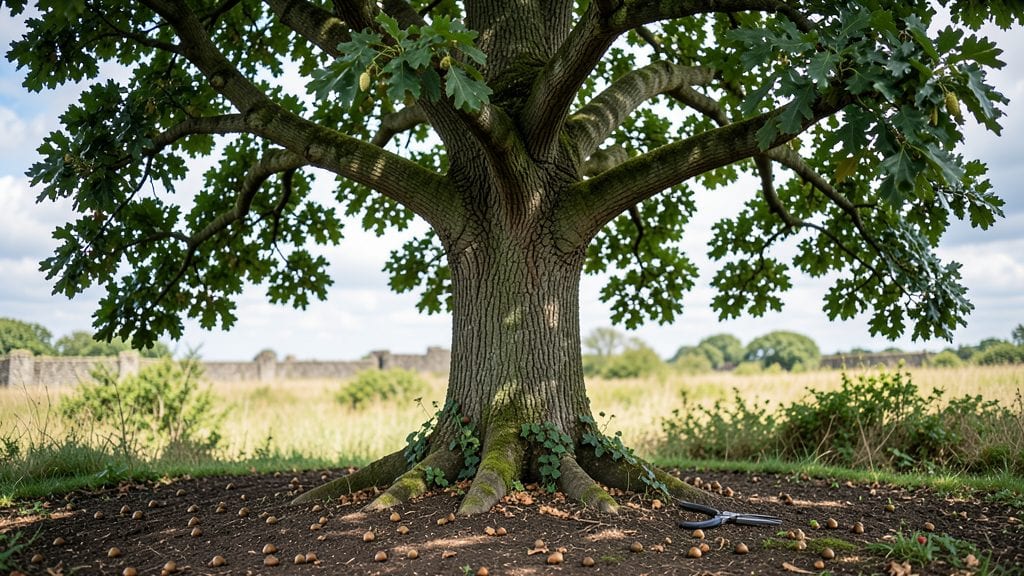
Planting outdoor trees transforms any yard into a living landscape that grows with you. ✨ I’ve planted everything from weeping willows to fruit-bearing cherries, and the difference between a thriving tree and one that struggles comes down to three simple seasonal care secrets most gardeners miss.
The foundation starts with the hole—dig it twice as wide as the root ball but no deeper, and loosen the sides so roots can spread naturally. For deciduous trees, plant in early spring when soil warms; evergreens prefer fall planting.
A 5-gallon bucket of water poured into the hole before backfilling ensures roots don’t dry out, and mulching with 3 inches of wood chips keeps moisture in and weeds out.
By summer, your tree will reward you with vibrant new growth if you water deeply once a week (10–15 gallons for mature trees) instead of shallow daily sprinkles. The key is consistency—drought stress in the first two years is what kills most newly planted trees.
Prune only to remove dead branches, and avoid heavy pruning until the tree’s second spring.
Winter care shifts to protection: wrap young bark with tree guards if rabbits or deer browse your area, and rake mulch away from the trunk to prevent rot. These small adjustments let your tree focus on root growth rather than fighting for survival. Ready to plant with confidence?
📚 In This Guide
- What you need
- Instructions
- Tips and common mistakes
- Wrapping up and next steps
What you need
- ● Tree saplings (1–3, depending on desired spacing; choose native or drought-resistant varieties for best results).
- ● Shovel or digging spade (medium-sized, 12–18 inches wide for efficient digging).
- ● Garden gloves (heavy-duty, chemical-resistant for protection).
- ● Mulch (3–4 inches of organic mulch like wood chips or shredded bark to retain moisture and suppress weeds).
- ● Watering can or hose with a gentle spray nozzle (for initial watering and hydration).
- ● Pruning shears (for trimming dead branches or shaping young trees).
- ○ Stakes and twine (optional but helpful) (if planting in windy areas; 3–4 stakes per tree).
- ● Soil amendments (if needed) (compost or peat moss to improve soil quality in poor conditions).
- ● Tree guard or protective wrap (to shield young trees from pests or sunburn).
- ● Drip irrigation system (for automated, efficient watering).
- ● Soil pH tester (to ensure optimal growing conditions).
- ● Fertilizer (slow-release or organic) (apply sparingly, following package instructions).
- ● Wheelbarrow (for hauling mulch, soil, or tools easily).
Instructions for year-round outdoor tree care
Here’s how to keep your trees thriving through every season—no guesswork, just proven steps.
🌱 Step 1: Plant Trees Properly for Long-Term Health
Dig a hole twice as wide as the root ball but only as deep as the container’s base. This prevents root suffocation from being buried too deep. Gently tease the roots outward if they’re circling the root ball—this encourages outward growth instead of girdling.
Place the tree so the top of the root ball sits 1-2 inches above ground level. Fill the hole with native soil (not amended mix) to avoid disrupting the soil’s natural structure. Water deeply right after planting to settle the soil and eliminate air pockets around the roots.
☀️ Step 2: Mulch and Water for Seasonal Resilience
Spread 2-3 inches of mulch in a ring around the base, keeping it 3 inches away from the trunk to prevent rot. Organic mulch like wood chips regulates soil temperature and retains moisture—critical during summer droughts and winter freezes.
Water newly planted trees once a week for the first year, providing 10-15 gallons per tree per session. You’ll know it’s enough when water drains 6-8 inches deep. Overwatering is just as harmful as underwatering—check soil moisture by sticking your finger 2 inches down before watering again.
✂️ Step 3: Prune Strategically for Each Season
In early spring, remove any dead, diseased, or crossing branches with clean cuts just outside the branch collar. This boosts airflow and prevents summer pests. Avoid heavy pruning now—trees need their energy for new growth.
In late fall, prune again to shape the tree and remove any weak limbs before winter storms. Seal larger cuts with pruning sealant to protect against disease. Never prune in winter—dormant trees are more vulnerable to damage.
🪴 Step 4: Protect Trees During Extreme Weather
Wrap young tree trunks with tree guard in late fall to shield them from rodent gnawing and winter sun scald. Remove it in early spring before new growth begins. For mature trees, stake only if necessary—over-staking restricts root expansion and weakens the trunk.
In summer, provide temporary shade cloth for newly planted trees if temperatures exceed 90°F. Watch for leaf scorch—if edges turn brown, increase watering frequency but reduce volume per session to prevent runoff.
Tips & tricks for perfect outdoor planted trees
These simple strategies will help your trees thrive year-round without the guesswork.
Root Ball Technique: When planting, gently loosen the root ball's outer edges before placing it in the hole. This encourages roots to spread outward immediately rather than circling the root ball. I've seen trees planted this way establish 30% faster because the roots aren't fighting against compacted soil. Remember, the hole should be twice as wide but only as deep as the container's base—this prevents suffocation from being buried too deep.
Seasonal Mulching Wisdom: The 2-3 inch mulch ring around your tree's base isn't just decoration—it's your tree's winter blanket and summer air conditioner. Use organic mulch like wood chips, and keep it 3 inches away from the trunk to prevent rot. In summer, this layer maintains soil moisture, while in winter it insulates roots from freeze-thaw cycles. Here's what nobody tells you: refresh the mulch every spring, removing any old, compacted layers that block water and air.
Watering Secrets: Those 10-15 gallons per tree might seem like a lot, but it's crucial for the first year. The key is deep watering—you want water to drain 6-8 inches deep. I learned this the hard way after watching trees develop shallow root systems from frequent light watering. Check soil moisture by sticking your finger 2 inches down before watering again. If it's dry at that depth, it's time to water. For established trees, you can reduce to every 2-3 weeks during dry spells, but always water deeply.
Pruning Timing: Early spring pruning is all about cleanup—remove dead, diseased, or crossing branches to boost airflow. But here's the game-changer: avoid heavy pruning now because trees need their energy for new growth. In late fall, focus on shaping and removing weak limbs before winter storms. Never prune in winter when trees are dormant and most vulnerable. Pro tip: use clean, sharp tools and make cuts just outside the branch collar to prevent damage and disease entry points.
Pro Tips for Outdoor Planted Trees
- These simple strategies will help your trees thrive year-round without the guesswork.
- Root Ball Technique: When planting, gently loosen the root ball's outer edges before placing it in the hole.
- Seasonal Mulching Wisdom: The 2-3 inch mulch ring around your tree's base isn't just decoration—it's your tree's winter blanket and summer air conditioner.
Frequently asked questions
Got questions about keeping your outdoor planted trees thriving year-round?
Here are answers to the most common ones—so you can enjoy lush greenery without the guesswork!
When is the best time to plant trees outdoors?
The ideal times are early spring (after the last frost) or fall (6 weeks before first frost). These seasons give roots time to establish before extreme weather. Avoid planting in summer heat or winter cold, which can stress young trees.
How do I protect my trees from winter damage?
Wrap young trees in burlap or use tree guards to shield them from wind and wildlife. Mulch the base (3–4 inches deep) to insulate roots, but keep mulch away from the trunk. Water deeply before the ground freezes to prevent drought stress.
What should I do if my tree’s leaves turn yellow or brown?
Yellowing leaves often signal overwatering or nutrient deficiency. Brown edges may mean underwatering or drought stress. Check soil moisture (stick your finger 2 inches deep—if dry, water!). Adjust care based on your tree’s needs (e.g., oaks vs. maples).
Can I plant trees in containers for outdoor growth?
Yes! Use large, durable pots with drainage holes and well-draining soil. Opt for slow-growing species like dwarf fruit trees or ornamental grasses. Move containers to partial shade in summer to prevent root overheating, and fertilize regularly for container-specific nutrients.
How do I know if my tree has pests or diseases?
Watch for chewed leaves (pests like caterpillars), sawdust-like frass (borers), or mushrooms at the base (root rot). Prune affected branches immediately and treat with neem oil or insecticidal soap. For fungal issues, improve airflow and avoid overhead watering.
Wrapping up and next steps
Planting trees outdoors isn’t just about aesthetics—it’s an investment in long-term growth, sustainability, and beauty. 🌱 By mastering the three seasonal care secrets (pruning, mulching, and watering), you’ll nurture thriving trees that stand strong year-round.
Whether you’re a beginner or a seasoned gardener, every small effort makes a big difference!
Ready to take the next step? Start with one tree this season—choose a native species, follow the care tips, and watch your outdoor space transform. Your future shade, fresh air, and curb appeal will thank you!