
Watering
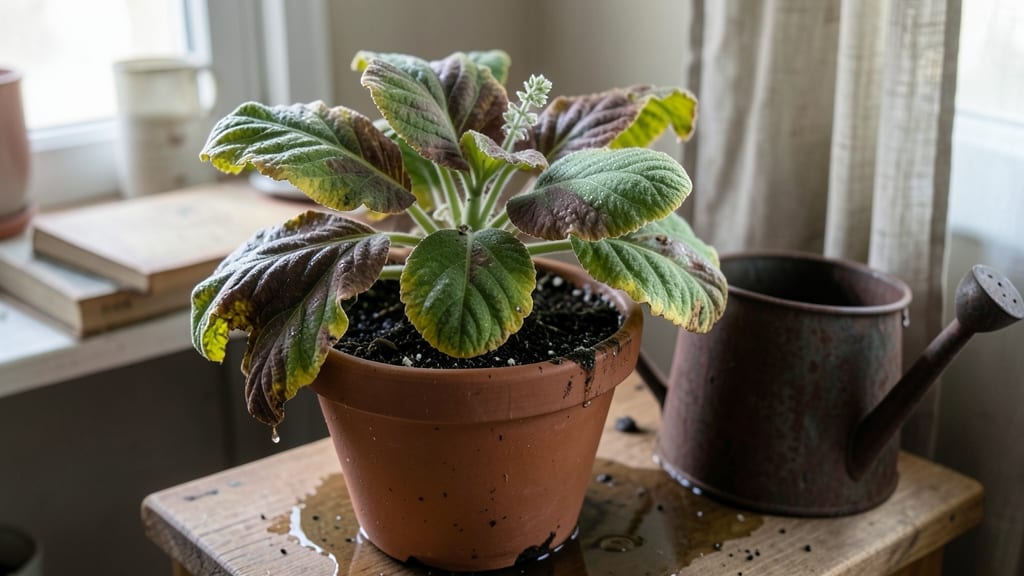
An overwatered coleus plant turns your vibrant foliage into a sad, droopy mess—yellow leaves, mushy stems, and roots that smell like a swamp. 🌿 I’ve seen this happen more times than I’d like to admit, but here’s the good news: with the right moves, you can nurse it back to health without losing those stunning leaves.
The key is acting fast before root rot sets in for good.
First, stop watering immediately and let the soil dry out completely—this might take a week or more, depending on humidity. Check moisture by sticking your finger an inch deep; if it’s damp, wait longer.
Meanwhile, trim away any blackened or mushy stems with clean scissors, and repot if the roots look rotten or the container stays soggy. A fresh mix with perlite or sand helps break the cycle.
Once the plant starts showing signs of recovery—new growth at the stems, perky leaves—you’ll know you’re on the right track. Within a few weeks, your coleus can bounce back to its usual showstopping colors, provided you adjust your watering habits.
Think of this as a reset: less frequent, deeper watering only when the top inch of soil feels dry.
To keep it thriving long-term, group your coleus with other plants that like similar conditions—bright, indirect light and consistently moist (not soggy) soil. I’ve found that checking soil moisture with my finger before watering saves me from this drama every season. Your plant’s got a second chance—let’s make it count.
The Hidden Triggers Behind Soggy Soil
Overwatering your coleus isn’t just a guess—it’s often the result of subtle (or not-so-subtle) mistakes that disrupt the plant’s delicate balance. Let’s break down the real culprits behind that telltale mushy soil and drooping leaves, so you can fix them before your coleus throws in the towel.
Coleus plants (Solenostemon scutellarioides) are tropical drama queens—they love moisture but hate soggy roots. Here’s why your watering routine might be backfiring:
- Ignoring the "Finger Test": Sticking your finger 1–2 inches into the soil is the gold standard. If it’s damp, wait.
If it’s dry, water—but only until excess drains from the bottom. Pro tip: 🌡️ Use a moisture meter for precision, especially in humid climates where soil stays clingy longer. - Watering on a Schedule: Coleus thrive on inconsistency (yes, really!).
A rigid "every Tuesday" rule leads to either drought stress or waterlogging.
Instead, check soil moisture every 3–5 days (or daily in summer heat). - Drowning in Love: Pouring a gallon of water at once is a fast track to root rot. Rule of thumb: Water until the top 2–3 inches are moist, then stop.
Let the pot’s drainage holes do their job—no puddles allowed.
Even the most disciplined waterer can fall victim to trapped moisture if the pot or soil is playing dirty.
- Clogged Drainage Holes: Over time, soil, roots, or mineral buildup can plug holes, turning your pot into a root prison. Fix it: 🔧 Gently rinse holes with water, or repot into a terracotta cachepot (with a drainage hole underneath) if needed. - Compacted or Heavy Soil: Peat-heavy or clay soils hold onto water like a koala.
Coleus need well-aerated, fast-draining mixes. Upgrade your soil: Mix 50% potting mix with 30% perlite and 20% orchid bark for airflow. - No Cachepot Escape: If your decorative outer pot has no drainage, excess water gets trapped. Solution: Use a nursery pot inside with holes, then nestle it in a stylish (dry!) outer pot.
Humidity, light, and temperature can amplify overwatering’s damage. Here’s how:
- High Humidity + Low Light = Disaster: In 60%+ humidity, soil stays wet longer.
Pair that with shady conditions, and roots suffocate. Adjust: 🌿 Move your coleus to bright, indirect light (east or north windows) and reduce watering by 30%. - Cold Roots: Coleus roots rot faster in temps below 60°F (15°C).
Drafts, AC vents, or winter windowsills can chill them out. Prevent chilling: Keep pots away from cold sources and water only when the top inch is bone-dry. - Rainy Seasons: Outdoor coleus? Cover pots during heavy rain to prevent waterlogging. DIY fix: Pop them under a clear plastic dome or move them to a sheltered spot.
Sometimes, overwatering is a symptom, not the cause. Check for these sneaky stressors:
- Transplant Shock: Freshly repotted coleus need time to adjust.
Overwatering in the first 2–3 weeks can drown new roots. Wait 5–7 days before watering post-repot. - Fungal or Bacterial Infections: Pythium or Phytophthora thrive in soggy soil, causing rot. Spot it: Yellowing leaves with black, mushy stems. Act fast: Remove infected leaves and treat with hydrogen peroxide (3%) or a copper fungicide. - Root-Bound Stress: Crowded roots can’t absorb water efficiently, leading to overcompensation. Test: Gently tug the plant—if roots circle the pot, repot into a 1–2 inch larger container.
💡 Quick Fix Reminder: If your coleus is already a soggy mess, don’t panic—act now:
- Stop watering immediately.
- Check roots: Healthy roots are firm; rotten roots are brown/mushy.
- Trim the damage with sterile scissors and repot in fresh, dry mix.
- Hold off on watering for 3–5 days to let roots recover.
Revive Your Coleus Now: Step-By-Step Fixes
If your coleus is drowning in excess moisture, don’t panic—your plant can bounce back with the right care! The key is to act fast, adjust your watering habits, and create the ideal conditions for recovery.
Below, we’ve broken down the most common causes of overwatering and matched them with practical solutions to save your coleus. Plus, we’ll share prevention tips to keep your plant thriving long-term.
Before diving into fixes, assess the damage. Gently remove your coleus from its pot (if possible) and inspect the roots:
- Healthy roots: Firm, white, or light tan.
- Rotten roots: Mushy, black, or smelly—these need immediate attention.
💡 Pro Tip: If more than half the roots are rotted, your coleus may not survive. But if it’s early-stage rot, you can still save it!
If your coleus is sitting in soggy soil, it’s time to stop the flood.
🔥 How to Do It:
- Empty the saucer – If your pot has a drainage tray, pour out any standing water.
- Repot if needed – If the soil is compacted or waterlogged, transfer your coleus to a clean pot with fresh, well-draining soil.
- Let it dry out – Place the plant in a spot with bright, indirect light (no direct sun yet!) and wait 3–5 days before watering again.
⚠️ Warning: Avoid watering until the top 1–2 inches of soil feel dry to the touch.
Prevent future waterlogging by giving your coleus a drainage upgrade.
🔧 How to Do It:
- Add perlite or sand – Mix in 20–30% perlite, pumice, or coarse sand into your potting mix to improve airflow.
- Choose the right pot – Opt for a pot with drainage holes (or drill them yourself if needed).
- Use a cache pot – Place your plant in a decorative outer pot, but keep it inside a saucer with drainage holes to catch excess water.
💡 Pro Tip: Terracotta pots help wick away moisture faster—great for coleus lovers!
If your coleus leaves are yellow, mushy, or falling off, it’s time for a pruning session.
✂️ How to Do It:
- Snip the bad leaves – Use clean scissors to remove yellow, brown, or wilted leaves at the base.
- Prune overgrowth – Trim back leggy stems to encourage new, bushier growth.
- Boost airflow – Thin out crowded foliage so air circulates better.
✨ Bonus: Propagate your cuttings! Place them in water or moist soil to grow new coleus plants.
Overwatering often comes from a lack of routine. Here’s how to water like a pro:
💧 The Right Way to Water Coleus:
- Check soil moisture – Stick your finger 1–2 inches deep. Water only if it’s dry.
- Water deeply but less often – Give your coleus a slow drink until water runs out the drainage hole, then stop.
- Avoid wetting leaves – Water at the base of the plant to prevent fungal issues.
- Season matters – Coleus needs less water in winter (growth slows down).
📊 Watering Schedule Cheat Sheet:
Season
Frequency
Signs You Need to Water
Spring/Summer
Every 5–7 days
Topsoil feels dry
Fall/Winter
Every 10–14 days
Soil stays damp longer
Now that your coleus is on the mend, let’s keep it that way!
🔒 Long-Term Care Checklist:
✅ Pot with drainage holes – Non-negotiable! ✅ Well-draining soil mix – Avoid heavy, clay-based soils. ✅ Monitor humidity – Coleus likes 40–50% humidity. Use a pebble tray or humidifier if your air is dry. ✅ Fertilize lightly – Over-fertilizing can burn roots. Use a balanced liquid fertilizer every 4–6 weeks in growing season. ✅ Rotate the pot – Ensures even light exposure and prevents leggy growth.
🌟 Final Thought: Coleus is a forgiving plant—with the right care, it’ll bounce back faster than you think! If you catch overwatering early, your coleus could be back to its vibrant self in just a few weeks.
Frequently asked questions
How do I know if my coleus is overwatered vs. underwatered?
Check the leaves and soil: overwatered coleus shows yellowing leaves, mushy stems, and soil that stays damp for days. Roots may smell foul or appear black/mushy. Underwatered coleus has crispy, brown edges and dry soil pulling away from the pot edges. Always test soil moisture with your finger—if it's damp 1-2 inches down, hold off on watering.
Can I save a coleus with completely black roots?
It depends on how much healthy root remains. If more than 50% of roots are black/mushy, recovery is unlikely. But if you see firm white roots at the base, trim the rotten sections with clean scissors, repot in fresh dry mix with perlite, and withhold water for 5-7 days. Place in bright indirect light to encourage regrowth.
Why does my coleus keep getting overwatered even when I'm careful?
Common hidden culprits: clogged drainage holes (clean them with a wire), heavy soil mix (add perlite or sand), or no saucer to catch excess water. Also check your pot material—plastic traps moisture longer than terracotta. Try the "finger test" daily during summer heat or high humidity to adjust timing.
How often should I water my coleus after fixing overwatering?
After recovery, wait until the top 2 inches of soil feel completely dry. In summer, this may be every 5-7 days; in winter, every 10-14 days. Always water until it drains from the bottom, then empty the saucer. Use room-temperature water to avoid shocking the roots.
Can I use hydrogen peroxide to treat my overwatered coleus?
Yes! Mix 1 tablespoon of 3% hydrogen peroxide with 1 quart of water and water your plant. This helps kill fungal/bacterial growth from soggy conditions. Use this solution once every 2 weeks during recovery, then switch back to regular water. Never use full-strength peroxide—it can burn roots.