Watering
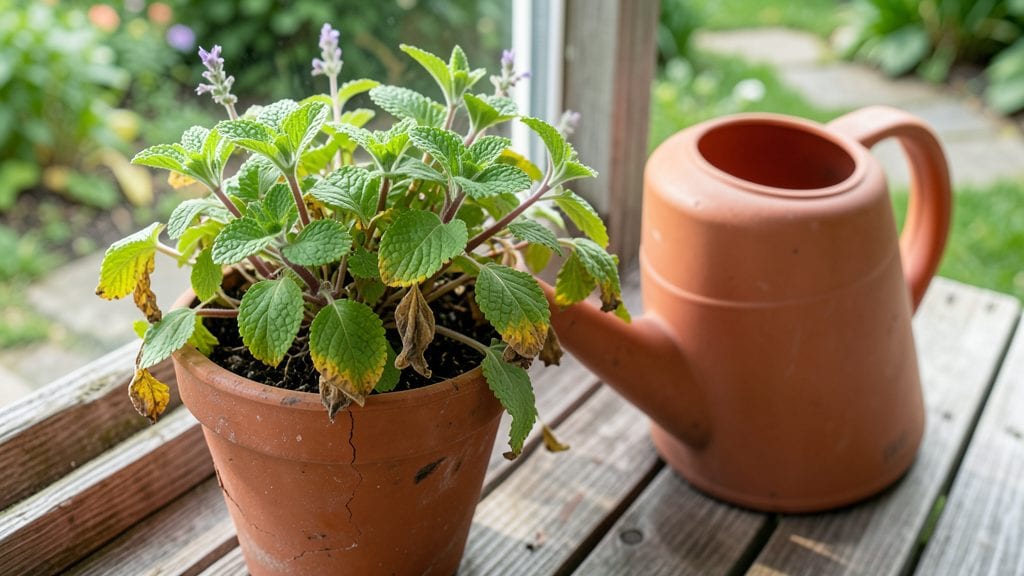
An overwatered mint plant can turn your kitchen herb into a sad, moldy mess—but there’s a way to revive it. I’ve seen this happen more than I’d like to admit, and the air-dry method works every time. The key is stopping water stress immediately and giving roots space to breathe.
Yellowing leaves, wilting stems, and that dreaded musty smell mean root rot has set in. Most gardeners panic and water more, but mint thrives on neglect once it’s overwatered.
Drain excess moisture, repot in well-draining soil, and let the pot dry completely between waterings. Within 2-3 weeks, you’ll see new growth pushing through.
The real secret is prevention: use pots with drainage holes and a mix of potting soil and perlite. Mint’s aggressive roots need airflow, not soggy conditions. Once revived, keep watering light—just enough to keep the soil slightly damp, not soaked. Your mint will bounce back stronger than ever.
This method works for other herbs too, like basil or cilantro, if they’ve suffered the same fate. The same rules apply: stop the damage, improve drainage, and give roots room to recover. With patience, your mint will be back to its vibrant, fragrant self in no time.
Root Rot’s Silent Invitation
When your mint plant starts wilting despite a soggy pot, the culprit is almost always excessive moisture—but why does this happen so easily? Mint thrives in damp conditions, but its roots are delicate, and too much water disrupts their natural balance.
Let’s break down the science behind why your mint plant gets overwatered—and how to prevent it before it’s too late.
Mint plants love moisture, but their roots hate being waterlogged. Without proper drainage, excess water pools at the bottom of the pot, suffocating roots and cutting off oxygen. Here’s how it plays out:
- Clay or plastic pots retain moisture longer, especially in cooler climates, slowing evaporation.
- Compacted soil (like heavy garden soil or poorly amended potting mix) blocks water flow, creating anaerobic zones where roots rot.
- No drainage holes turn the pot into a swamp—water has nowhere to escape, and roots drown.
Pro tip: 💡 If your pot lacks holes, upgrade to a terracotta or fabric grow bag with built-in aeration. Or, drill holes yourself—roots will thank you!
Mint’s shallow root system absorbs water quickly, but that doesn’t mean it’s drought-proof. Common watering mistakes include:
- Watering on a schedule instead of checking soil moisture. Mint in full sun may need water daily, while shaded plants might only need it every 3–4 days.
- Ignoring the "squeeze test": If the top inch of soil feels damp, hold off. If it’s bone-dry, your plant is thirsty—but if it’s soggy, you’ve overdone it.
- Using ice cubes or misting as a substitute for deep watering. Surface moisture evaporates fast, tricking you into thinking the roots are hydrated when they’re not.
Pro tip: ✨ Stick your finger 1–2 inches into the soil. If it’s wet, wait. If it’s dry, water until it drains freely from the bottom.
Mint’s ideal growing conditions (60–75°F and 50–70% humidity) can backfire if humidity spikes or temps drop. Here’s how climate affects water needs:
| Factor | What Happens | Fix It |
|---|---|---|
| 🌬️ High humidity | Slow evaporation = soggy soil for longer. Roots suffocate even with "normal" watering. | Space plants 12+ inches apart for airflow. Use a fan on low. |
| 🥶 Cool temperatures | Cooler soil holds moisture longer, delaying drying. Roots stay wet too long. | Water less frequently. Move pots to a warmer spot (but avoid direct sunburn). |
| ☀️ Hot, dry air | Soil dries out fast, but roots may still be damp underneath. Overwatering "just in case" leads to rot. | Water deeply but less often. Mulch with pebbles to retain moisture. |
Pro tip: 🌡️ Use a hygrometer to monitor humidity. Aim for 50–60%—any higher, and you’re flirting with root rot.
Not all soil is created equal. Mint prefers well-draining, airy mixes, but many pre-mixed potting soils are too dense. Common offenders:
- Peat-heavy mixes retain water like a sponge, especially in humid climates.
- Lack of perlite or vermiculite (amendments that add airflow) leads to compacted soil.
- Old, broken-down soil loses structure over time, trapping moisture.
Pro tip: 🔥 Mix your own mint-friendly soil: 60% potting soil + 20% perlite + 20% coconut coir or sand. This combo drains fast but holds enough moisture.
Revive Your Soggy Mint Plant
Mint is a hardy herb, but too much love (in the form of water) can drown its roots and turn your vibrant plant into a sad, mushy mess. Don’t panic—your mint can bounce back with the right care!
Below, we’ll break down the root causes of an overwatered mint plant and the step-by-step fixes to save it, plus tips to keep it thriving long-term.
Cause: Overwatering leads to oxygen deprivation in the roots, causing leaves to turn yellow, wilt, or drop off.
How to Fix It:
- 🔥 Stop Watering Immediately
- Let the soil dry out completely before watering again. Mint prefers slightly dry soil over soggy conditions.
- 🍳 Repot in Well-Draining Soil
- If the roots are mushy or smell foul, repot your mint in fresh, moisture-wicking potting mix (add perlite or sand for better drainage).
- Pro Tip: 💡 Use a pot with drainage holes to prevent future waterlogging.
- 👨🍳 Trim Damaged Foliage
- Snip off yellow or brown leaves to redirect energy to healthy growth.
- ⏰ Gradually Resume Watering
- Wait until the top 1–2 inches of soil feel dry, then water deeply but sparingly (about once a week, depending on climate).
Cause: Chronic overwatering causes root rot, where roots turn black, mushy, and emit a foul odor.
How to Fix It:
- 🔪 Inspect & Prune Rotten Roots
- Gently remove the plant from its pot and rinse the roots under lukewarm water.
- Trim away black, slimy roots with sterile scissors. Keep only firm, white roots.
- 🌡️ Disinfect the Pot & Soil
- Soak the pot in a 1:10 bleach-water mix (or hydrogen peroxide) for 10 minutes, then rinse well.
- Replace old soil with fresh, sterile potting mix (or a mix of compost and perlite).
- 🌱 Air-Dry Revive Method
- Place the pruned plant in a shady spot for 24–48 hours to let remaining moisture evaporate.
- Pro Tip: ✨ If roots are severely damaged, propagate cuttings in water or fresh soil to regrow mint.
- 💧 Water Lightly After Repotting
- Wait 3–5 days before watering again. Use a spray bottle for gentle hydration until roots recover.
Mint is resilient, but consistency is key! Follow these easy maintenance tips to keep it happy:
| Issue | Solution |
|---|---|
| No Drainage Holes | Repot in a container with drainage or add a layer of gravel at the bottom. |
| Overcrowded Pot | Mint spreads fast—trim roots or repot every 1–2 years. |
| Heavy or Clay Soil | Amend soil with sand, perlite, or coconut coir for better aeration. |
| Poor Airflow | Space plants apart or use a small fan to improve circulation. |
| Ignoring Soil Moisture | Stick your finger 1 inch deep—if damp, wait before watering. |
Final Thought: 🎯 Overwatered mint isn’t a death sentence—it’s a chance to reset and grow a stronger, healthier plant. With proper drainage, patience, and a little TLC, your mint will be back to thriving in no time! 🌿✨
Frequently asked questions
How do I know if my mint plant is overwatered?
Check for these signs: yellowing leaves (especially lower ones), wilting stems despite moist soil, and a musty smell from the pot. If the soil stays soggy for more than a day or roots look mushy and black, your plant is definitely drowning in water.
Can I save an overwatered mint plant with root rot?
Yes! First, remove the plant and trim away all black, slimy roots. Repot in fresh, well-draining soil with perlite, then let it dry out completely before watering again. With proper care, new growth should appear in 2-3 weeks.
What's the best soil mix to prevent overwatering?
Use a blend of 60% potting soil, 20% perlite, and 20% coconut coir or sand. This creates air pockets that prevent waterlogging. Terracotta pots also help—they wick away excess moisture better than plastic containers.
How often should I water mint after reviving it?
Wait until the top 1-2 inches of soil feel dry—usually about once a week in warm weather. In humid climates, water even less frequently. Always check soil moisture before watering to avoid repeating the same mistake.
Will my mint grow back if I've overwatered it for months?
It depends on root damage. If only the leaves are affected, trimming and adjusting care can help. But if roots are completely rotted, you may need to propagate from healthy stems. Start fresh cuttings in water—they often root faster than damaged plants recover.