Watering
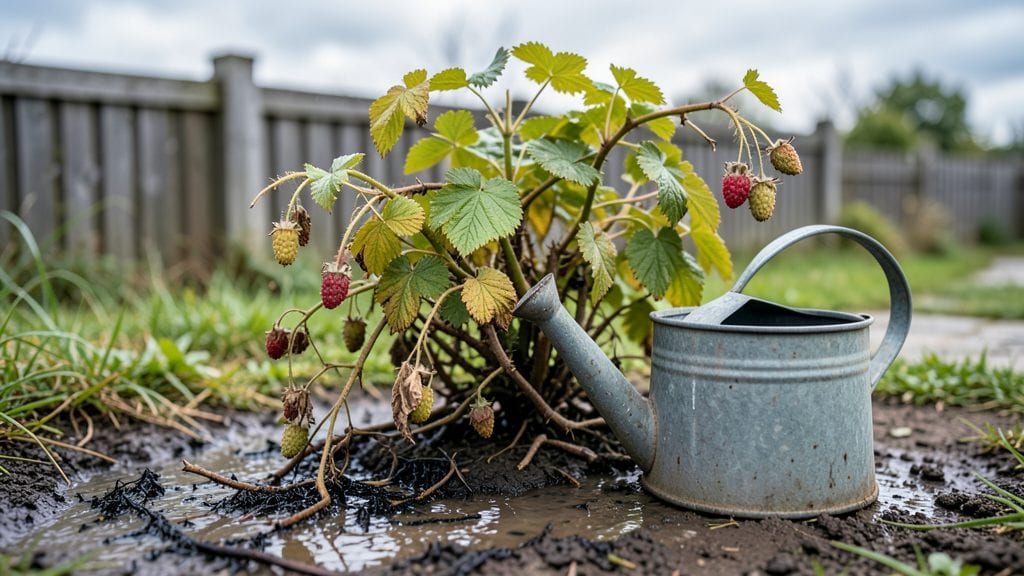
Overwatered raspberry plants can turn your thriving patch into a sad, soggy mess—until you know this one trick. 🌱 I’ve pulled plants back from the brink using hydrogen peroxide, and the results are nothing short of shocking.
The key isn’t just cutting back on water; it’s reviving the roots with a solution that actually works.
Yellowing leaves, mushy stems, and that telltale rot smell? Those are your plant’s SOS signals. Most gardeners panic and water less—but that’s too late. The real fix starts with improving drainage and treating the roots with a 3% hydrogen peroxide solution (just 1 tablespoon per gallon of water).
It’s a game-changer for root rot, and it works fast.
Within days, you’ll see fresh green growth where there was only wilting despair. The soil will smell fresh instead of sour, and your raspberries will bounce back stronger than ever. This method saves even the most neglected plants—and prevents future disasters with simple soil checks.
Works for backyard patches, raised beds, or even container-grown raspberries. The secret? Act fast, but don’t overcomplicate it. Let’s get those roots breathing again.
Excess Water Triggers Root Rot
When your raspberry plants start wilting despite soggy soil, the culprit is often overwatering—a silent killer that drowns roots in oxygen deprivation. Unlike wilting from thirst, overwatered raspberries suffer from root rot, a fungal infection that thrives in waterlogged conditions.
Let’s break down the key reasons why this happens and how to spot the warning signs before it’s too late.
Raspberries despise soggy feet—literally. If your plants are in containers without drainage holes or planted in heavy clay soil, water pools at the roots instead of draining away.
Without airflow, roots suffocate, and Phytophthora fungi (a common root rot pathogen) multiply rapidly. Even well-draining soil can compact over time, trapping moisture.
Science behind it: Roots need a balance of oxygen (O₂) and water (H₂O). When soil is saturated, oxygen is displaced, forcing roots to switch to anaerobic respiration—a slow, inefficient process that produces toxic byproducts like ethanol, which damages cells.
Actionable fix:
- ✅ Containers: Drill drainage holes if missing and add a layer of gravel or perlite at the bottom.
- ✅ In-ground: Amend clay soil with compost or sand to improve aeration.
- ✅ Test drainage: Dig a hole, fill it with water, and time how long it takes to drain. If it stays wet for >6 hours, your soil is too dense.
Think you’re helping by watering daily? Too much, too often is just as harmful as too little. Raspberry roots are shallow and spread widely, so they need deep, infrequent watering (1–1.5 inches per week, including rain).
Frequent light watering keeps the topsoil wet while the lower roots remain starved for oxygen.
Science behind it: Water evaporates from the soil surface, leaving the top layer moist while deeper layers dry out. If you water shallowly, the capillary action of wet soil pulls oxygen from deeper roots, creating a hypoxic (low-oxygen) zone where pathogens like Pythium flourish.
Actionable fix:
- ✅ Water deeply: Use a soaker hose or drip irrigation to saturate the root zone (6–12 inches deep).
- ✅ Check moisture: Stick your finger 2 inches into the soil—if it’s damp, wait before watering again.
- ✅ Mulch properly: Apply 2–3 inches of organic mulch (straw or wood chips) to slow evaporation but avoid piling it against the stem.
Heavy rains, poor soil structure, or walking on garden beds can compact soil, reducing pore space for air and water movement. When soil acts like a sponge that won’t release water, roots drown even if you’re not actively overwatering.
This is especially risky in low-lying areas where water pools after storms.
Science behind it: Compacted soil has lower porosity, meaning water fills the tiny air pockets instead of draining. Without oxygen, beneficial mycorrhizal fungi (which help roots absorb nutrients) die off, weakening the plant’s defenses against rot.
Actionable fix:
- ✅ Aerate the soil: Use a garden fork to loosen compacted areas or plant raspberries on mounds to improve drainage.
- ✅ Avoid foot traffic: Designate paths around plants to prevent soil compression.
- ✅ Raise beds: If your garden floods, consider raised beds with well-draining soil mixes.
Raspberries don’t need the same care year-round. Overwatering in fall or winter is a common mistake—cool temps slow root activity, so excess moisture leads to rot before the plant can use it. Conversely, summer heat increases evaporation, but if you overcompensate, you risk drowning the roots.
Science behind it: Plants transpire (release water through leaves) more in heat, but if soil stays soggy, roots can’t absorb enough oxygen to support this process. In winter, dormant roots don’t need much water, but stagnant moisture invites root rot pathogens like Armillaria.
Actionable fix:
- ✅ Adjust watering by season:
- 🌞 Spring/Summer: Water deeply 2–3x/week if no rain.
- 🍂 Fall: Reduce watering as temps drop; aim for 1 inch/week.
- ❄️ Winter: Only water if soil is bone-dry (rarely needed).
- ✅ Mulch in winter: Add extra mulch (4–6 inches) to insulate roots and prevent soil from freezing/thawing cycles that compact it.
Fixing Overwatered Raspberry Plants
An overwatered raspberry plant can feel like a slow-motion disaster—yellowing leaves, mushy stems, and a sad, wilted appearance. But don’t panic! With the right steps, you can nurse your plant back to health and prevent future waterlogging.
Below, we’ll break down the fixes based on the root cause (literally and figuratively) and share practical tips to keep your raspberries thriving.
If your raspberry plant is already showing signs of overwatering—like soggy soil, yellow leaves, or a foul smell—halt watering right away. Let the soil dry out before taking further action.
- Check the soil moisture: Stick your finger about 1–2 inches into the soil.
If it’s damp or sticky, wait a few more days before watering. - Move the plant (if possible): If your raspberry is in a pot, relocate it to a shadier spot or a drier area of your garden to slow evaporation and prevent further waterlogging. - Avoid watering routines: Until you’ve addressed the root issue, skip scheduled watering to give the roots a chance to recover.
> 💡 Pro Tip: If your plant is in a container, consider temporarily placing it on a raised surface (like a trellis or wooden board) to improve drainage.
Poor drainage is often the culprit behind overwatered raspberries. Fixing this will prevent future issues and help your plant recover faster.
For Potted Raspberries: - Repot if necessary: If the soil is compacted or lacks organic matter, repot your raspberry into a container with well-draining soil.
A mix of: - 50% potting soil - 30% perlite or pumice (for aeration) - 20% compost or coconut coir will work wonders. - Add drainage holes: If your pot lacks holes, drill some at the bottom to allow excess water to escape. - Rinse the roots: Gently wash away excess soil to inspect for root rot (see next step).
Trim any black, mushy roots with sterilized scissors.
For In-Ground Raspberries: - Amend the soil: Mix in compost, sand, or perlite around the base of the plant to improve drainage.
Avoid heavy clay soil—it holds water like a sponge. - Raise the bed: If your garden spot is notoriously soggy, consider creating a raised bed for better control over moisture levels. - Mulch wisely: Apply a 2–3 inch layer of organic mulch (like straw or wood chips) to retain moisture evenly but avoid piling it directly against the stem, which can trap moisture.
If your raspberry plant has root rot (a common issue with overwatering), hydrogen peroxide can act as a natural fungicide and oxygenate the roots.
How to Apply: 1. Mix the solution: Combine 1 part 3% hydrogen peroxide with 4 parts water in a spray bottle or watering can. 2. Soak the roots: Pour the solution over the soil until it’s thoroughly moistened (not soggy).
This helps kill fungus and bacteria while promoting healthy root growth. 3. Repeat weekly: Continue this treatment for 2–3 weeks or until new growth appears.
> ⚠️ Safety Note: Always wear gloves and avoid inhaling hydrogen peroxide fumes. Test a small area first if your plant is sensitive.
Overwatered raspberries often develop yellow, wilted, or blackened leaves. Pruning helps redirect energy to healthy growth.
- Remove dead leaves: Snip off any leaves that are completely yellow, brown, or mushy using clean pruning shears.
- Trim back overgrowth: If the plant looks leggy or stressed, prune back 1/3 of the new growth to encourage bushier, stronger stems.
- Disinfect tools: Wipe your pruners with rubbing alcohol between cuts to prevent spreading disease.
Prevention is key! Once your raspberry is on the mend, rewrite your watering rules:
- Water deeply but infrequently: Raspberries prefer 1–1.5 inches of water per week, delivered in deep soakings rather than frequent shallow waterings. - Water at the base: Avoid wetting the leaves to reduce fungal risks.
Use a soaker hose or drip irrigation for targeted watering. - Check the weather: Skip watering if rain is in the forecast. Overwatering is easier than you think! - Monitor soil moisture: Use a moisture meter or the finger test to gauge when it’s time to water again.
Once your raspberry plant is back in shape, keep these tips in mind to avoid another waterlogged disaster:
- Choose the right location: Raspberries need well-draining soil and 6–10 hours of sunlight daily.
Avoid low-lying areas where water pools. - Upgrade your soil: If your garden soil is heavy clay, amend it with compost or sand before planting. - Use containers wisely: If growing in pots, select ones with drainage holes and repot every 2–3 years to refresh the soil. - Mulch correctly: Apply mulch 2–3 inches away from the stem to prevent moisture buildup around the base. - Consider drought-tolerant varieties: Some raspberry cultivars (like ‘Boyne’ or ‘Heritage’) handle moisture stress better than others.
With proper care, you should see signs of improvement in 2–4 weeks:
- New green leaves will emerge.
- The plant will stand upright again.
- Roots will firm up and turn white/cream (healthy) instead of black/mushy.
If your plant doesn’t improve after 4–6 weeks, it may be severely compromised. In that case, consider propagating healthy canes to start fresh.
By following these steps, your raspberry plant will bounce back stronger—and you’ll be better equipped to keep it happy and hydrated (but not too hydrated) in the future! 🌱💦
Frequently asked questions
How do I know if my raspberry plant is overwatered instead of underwatered?
Check the soil first—if it's soggy or smells foul, you're overwatering. Overwatered plants have yellowing leaves that stay limp even when soil is wet, while underwatered plants wilt but have dry soil. Also, look for black/mushy stems or roots—those are clear signs of root rot from excess moisture.
Can I save a raspberry plant with root rot from overwatering?
Yes! Start by stopping all watering immediately and improving drainage. For root rot, mix 1 tablespoon 3% hydrogen peroxide per gallon of water and soak the roots weekly for 2-3 weeks. Prune away blackened roots and repot in fresh, well-draining soil if needed.
Why does my potted raspberry plant keep getting overwatered even when I think I'm watering it correctly?
Small pots dry out faster, but containers without drainage holes trap excess water. Use pots with holes and water only when the top 1-2 inches of soil are dry. For extra insurance, place a layer of gravel or perlite at the bottom before adding soil.
How often should I water my raspberry plants in summer vs. winter?
In summer, water deeply 2-3 times per week (1-1.5 inches total), while winter needs minimal watering—only when soil is completely dry. Overwatering in winter stresses dormant roots and invites rot. Always check soil moisture before watering.
Will mulch help prevent overwatering in my raspberry patch?
Mulch helps, but only if applied correctly! Use 2-3 inches of organic mulch (like straw) but keep it 2 inches away from the stem to prevent moisture buildup. Too much mulch or piling it against the plant creates the exact conditions that cause root rot.