Watering
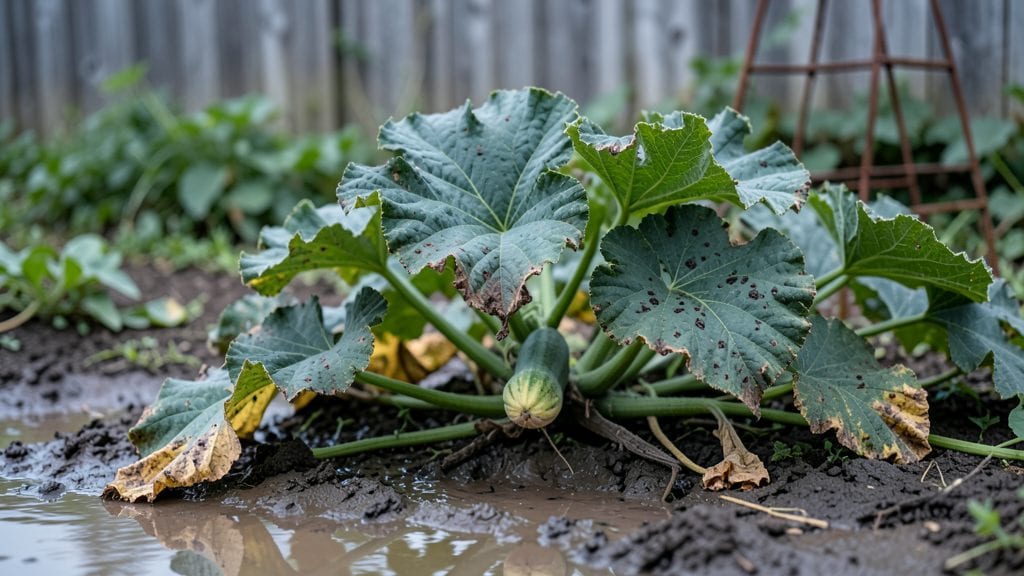
Overwatered squash plants turn your garden from productive to pitiful faster than you’d think. 🌱 I’ve seen healthy vines collapse into a soggy mess in just a few days—yellowing leaves, mushy stems, and that unmistakable foul smell of rot.
The good news? Hydrogen peroxide isn’t just a first-aid kit for cuts; it’s also your squash’s secret weapon against root rot.
Most gardeners overdo it because squash plants look thirsty, but they’re actually drowning. Too much water cuts off oxygen, inviting fungus and bacteria to throw a party in your soil.
The fix starts with stopping water immediately and amending the soil with 3% hydrogen peroxide (1 part peroxide to 10 parts water) to kill pathogens without harming your plants. Think of it as a deep-clean disinfectant for roots.
Within a week, you’ll see new growth pushing through if the roots are still salvageable. The leaves will perk up, and those wilting vines will start climbing again. This isn’t just damage control—it’s a reset.
Your squash will bounce back stronger, and you’ll learn the one simple rule that keeps them thriving: water when the top inch of soil is dry, not on a schedule.
The real game-changer? Preventing it next season. Raised beds with coarse sand or perlite improve drainage, and a mulch layer keeps moisture consistent without turning your soil into a swamp. Now, let’s turn those sad, soggy plants into productive powerhouses again.
Root Causes Of Overwatered Squash
When your squash plants start wilting despite damp soil or develop yellowing leaves that refuse to bounce back, overwatering is often the sneaky culprit. But why does this happen? The issue usually stems from a mix of environmental factors, soil conditions, and even human habits.
Let’s break down the key reasons your squash plants are drowning in their own moisture—and how to recognize the signs before it’s too late.
Squash plants thrive in well-draining soil, but if your garden bed or containers lack proper drainage, excess water pools around the roots instead of draining away. Here’s why this happens:
- Compacted soil: Heavy clay or tightly packed soil traps water like a sponge, suffocating roots and cutting off oxygen. Test it: Dig a small hole and fill it with water—if it drains slowly (more than 30 minutes), your soil is too dense.
- Improper container setup: Pots without drainage holes or those lined with plastic (instead of breathable fabric) create a waterlogged environment. Even "self-watering" containers can fail if not monitored.
- Low-lying planting spots: Squash planted in depressions or slopes where water naturally collects will absorb more moisture than the roots can handle.
💡 Pro Tip: Amend heavy soil with compost or perlite to improve aeration, and always elevate containers to prevent water pooling.
Even the most well-intentioned gardeners can fall into the trap of watering on a schedule rather than watering based on need. Here’s how this backfires:
- Ignoring soil moisture: Checking the top inch of soil with your finger is the gold standard. If it’s still damp, skip watering—squash roots need oxygen, not a soggy bath.
- Automatic systems gone rogue: Drip irrigation or sprinklers set to a fixed timer can drown plants during rainy periods or when humidity is high. Always adjust for weather.
- Mulch overload: While mulch conserves moisture, too much (especially thick layers of plastic or dense organic matter) can trap heat and moisture against the soil, promoting rot.
🌡️ Watch For: Wilting in the morning (not evening) or leaves that feel slimy to the touch—classic signs of overwatering.
Not all soil is created equal, and squash plants despise soil that’s either too fine or too dense. Here’s how soil chemistry plays a role:
- High clay content: Clay particles pack tightly, reducing pore space for air and water movement. Roots suffocate, leading to anaerobic conditions (lack of oxygen) that invite Pythium and Phytophthora fungi.
- Lack of organic matter: Soil with minimal compost or aged manure holds water like a sponge but fails to provide the structure roots need to breathe.
- Sandy soil with poor retention: While sand drains quickly, it can also leach nutrients and leave roots vulnerable to osmotic stress—where they struggle to absorb water efficiently, mimicking overwatering symptoms.
🔥 Fix It: Conduct a jar test to analyze your soil’s drainage: Fill a jar with soil and water, shake, then observe how quickly water separates. Adjust with sand (for clay) or peat moss (for sand).
Even with perfect watering, external factors can push your squash plants over the edge:
- High humidity + poor airflow: Warm, humid air slows evaporation, keeping soil wet longer. Pair this with crowded plants, and you’ve created a fungal buffet.
- Temperature swings: Cool nights or sudden drops below 60°F (15°C) slow root activity, making plants more susceptible to waterlogging.
- Fungal or bacterial infections: Pathogens like Fusarium or Erwinia thrive in waterlogged soil, clogging xylem vessels and preventing water/nutrient transport.
✨ Prevention: Space plants 3–4 feet apart, prune nearby weeds, and avoid watering after sunset to allow foliage to dry.
Now that you know the root causes (pun intended), the next step is acting fast to save your squash. But first—can you spot the difference between overwatered and underwatered plants? Spoiler: It’s not just about wilting.
Fixing Overwatered Squash Plants Fast
Overwatering can turn your thriving squash plants into a soggy mess, but don’t panic—there’s still hope! 🌱 The key is acting quickly to drain excess moisture, improve soil aeration, and prevent further damage.
Below, we’ll break down the most effective fixes based on the root cause of your soggy squash, plus pro tips to keep your plants healthy long-term.
If your squash plants are already showing signs of overwatering (yellowing leaves, mushy stems, or foul-smelling soil), halt all watering right away. Let the soil dry out naturally before taking further action. This prevents root rot from spreading and gives your plants a chance to recover.
Quick Fix:
- Skip watering for 3–5 days (or until the top 1–2 inches of soil feel dry).
- Avoid watering in the evening—stick to morning sessions to allow excess moisture to evaporate.
Poor drainage is often the culprit behind overwatered squash. If your soil holds too much water, roots suffocate and rot. Fix this by amending the soil and adjusting your watering habits.
👨🍳 Fixes for Compacted or Heavy Soil
- Add organic matter: Mix in compost, coconut coir, or perlite (1–2 inches mixed into the top 6 inches of soil).
This loosens the soil and improves airflow to roots. - Raise plant beds: If your garden has poor drainage, consider elevating squash plants in raised beds or containers with drainage holes. - Use mulch strategically: Apply a 2–3 inch layer of straw or wood chips around (not touching) the stems to retain just enough moisture while preventing soil compaction.
⏰ Adjust Your Watering Schedule
- Water deeply but less often: Squash plants prefer 1–1.5 inches of water per week, delivered in long, infrequent sessions (e.g., twice a week instead of daily).
- Check soil moisture: Stick your finger 1–2 inches into the soil—if it’s damp, wait before watering again.
If root rot has already set in (black, mushy roots or wilting despite dry soil), hydrogen peroxide (3%) can help disinfect and oxygenate the roots. This is a gentle, non-toxic way to revive struggling plants.
🔪 How to Apply Hydrogen Peroxide
- Dilute the solution: Mix 1 part 3% hydrogen peroxide with 3 parts water (e.g., 1 cup H₂O₂ + 3 cups water).
- Water the soil: Pour the solution slowly around the base of the plant (avoid pouring directly on leaves).
- Repeat every 3–4 days for 1–2 weeks or until you see improvement.
✨ Pro Tip: For severe cases, gently prune away mushy roots with sterilized scissors and replant in fresh, dry soil.
Once drainage is fixed and rot is treated, give your squash plants a nutrient boost to help them bounce back.
- Fertilize lightly: Use a balanced, water-soluble fertilizer (like 10-10-10) diluted to half-strength to avoid shocking the roots.
- Support weak stems: If stems are soft, stake or cage the plant to prevent collapse as it recovers.
- Monitor for pests: Overwatered plants attract fungal diseases and pests—inspect leaves daily and treat with neem oil if needed.
Once your squash plants are back on track, keep these habits to avoid overwatering again:
- 💡 Test your soil: Use a moisture meter or the "squeeze test" (grab a handful—if it forms a ball, it’s too wet).
- 🌡️ Choose the right containers: If growing in pots, ensure they have drainage holes and use well-draining potting mix.
- 🔥 Space plants properly: Overcrowding traps moisture—give squash 3–4 feet of space between plants.
- ✨ Rotate crops: Avoid planting squash in the same spot year after year to prevent soil-borne diseases.
With these steps, your squash plants should perk up within 1–2 weeks—just give them time and consistent care! 🎉 For extra insurance, consider hydrogen peroxide soil drenches every few weeks to keep roots healthy. Happy gardening!
Frequently asked questions
How do I know if my squash plants are overwatered instead of underwatered?
Overwatered squash plants show yellowing leaves (especially lower ones), mushy stems, and soil that smells foul or stays soggy. Underwatered plants have crispy, brown edges and dry soil pulling away from pot edges. The key difference: overwatered plants wilt in the morning, while underwatered ones wilt in the afternoon heat.
Can I save squash plants with root rot from overwatering?
Yes, but act fast! Stop watering immediately and let soil dry. Mix 1 part 3% hydrogen peroxide with 3 parts water and water the roots every 3-4 days for 2 weeks. For severe cases, trim black/mushy roots with sterilized scissors and replant in fresh, dry soil with perlite for drainage.
Why does my squash plant keep getting overwatered even when I'm careful?
Common culprits: compacted soil (traps water), no drainage holes in containers, or automatic watering systems running during rain. Test your soil by squeezing a handful—if it forms a ball, it's too dense. Add compost or perlite and always water only when the top 1-2 inches feel dry.
Is hydrogen peroxide safe to use on all squash varieties?
Yes, 3% hydrogen peroxide is safe for all squash (zucchini, butternut, pumpkin, etc.) when used as a 1:3 dilution. It oxygenates roots and kills fungus without harming plants. For extra protection, apply it every 3-4 days during recovery, then monthly as prevention. Just avoid pouring directly on leaves.