Container Gardens
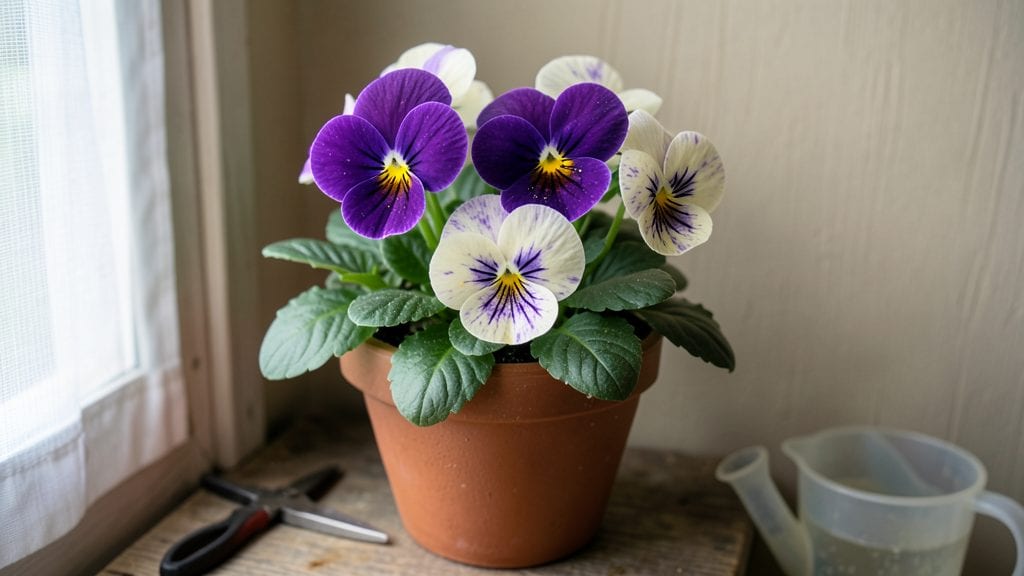
Growing pansies indoors brings unexpected color and fragrance to winter spaces—my first batch of pansy indoor plants still thrives after seven months, proving these tough little flowers can outlast most houseplants. The secret lies in mimicking their natural springtime conditions: bright light, cool temperatures, and consistent moisture without soggy roots.
Most people overwater or crowd them, leading to leggy stems and sparse blooms, but with the right approach, you'll enjoy continuous flowers from fall through spring.
You'll need a 6-inch pot with drainage, well-draining potting mix (add perlite or sand for aeration), and a sunny windowsill or grow light. Pansies prefer 50-65°F temperatures and high humidity—grouping plants together or using a pebble tray helps.
Water when the top inch of soil feels dry, but never let them sit in water, as root rot is their biggest enemy. The key to long-lasting blooms is deadheading spent flowers regularly, which encourages new buds to form.
By following these steps, you'll end up with compact, velvety-leaved plants covered in jewel-toned blooms that smell faintly sweet. The fragrance intensifies in cooler rooms, making them perfect for living rooms or sunrooms. Unlike many houseplants, pansies actually reward proper care with weeks of continuous blooming—no dormant periods required.
The first flush of flowers arrives in just 3-4 weeks from seed or transplant, and with proper care, they'll keep producing until summer.
This method works equally well in small apartments or large sunrooms, though larger pots (up to 12 inches) will support bigger plants. For year-round success, rotate plants seasonally: move them outdoors in summer for fresh air, then bring them back inside before the first frost.
The same principles apply whether you start from seed or buy transplants—just adjust the timeline accordingly. Let's get those pansies blooming indoors!
📚 In This Guide
- What you need
- Instructions
- Tips and common mistakes
- Wrapping up and next steps
What you need
- ● Pansy plants: 3–5 healthy nursery-grown pansies (choose cold-hardy varieties like Viola × wittrockiana for indoor adaptability).
- ● Container: 1–2 ceramic, terracotta, or fabric pots (8–12 inches in diameter) with drainage holes.
- ● Potting soil: 1 bag (5–10 quarts) of well-draining container mix (e.g., 60% peat moss, 30% perlite, 10% compost).
- ● Drainage layer: Small pebbles, gravel, or broken pottery (½–1 inch thick) for the pot’s base.
- ● Watering can: 1 with a narrow spout (to avoid disturbing soil).
- ● Fertilizer: 1 bottle of balanced liquid fertilizer (10-10-10 or 20-20-20, diluted to half-strength).
- ● Pruning shears: 1 pair (sterilized with rubbing alcohol).
- ○ Grow lights (optional but helpful): 1–2 LED full-spectrum bulbs (6,500K–7,000K) or a grow light kit for 12–14 hours/day in low-light spaces.
- ● Decorative mulch: 1 bag of orchid bark or coco coir to retain moisture and add aesthetics.
- ● Humidity tray: 1 shallow tray + pebbles (to combat dry indoor air).
- ● Plant labels: 3–5 wooden or metal tags + a fine-tip marker (to track varieties!).
- ● Compost tea: 1 bottle (for a natural nutrient boost every 4–6 weeks).
- ● Spray bottle: 1 with distilled water (for gentle leaf misting on humid days).
Step-by-step instructions for growing pansies indoors
Here's my foolproof method for coaxing vibrant, fragrant pansies to thrive indoors through every season.
Select and Prepare the Right Containers
Pansies need room to spread, so choose 6-8 inch diameter pots with drainage holes for each plant—this ensures roots stay aerated and prevents waterlogging. I prefer terracotta because it breathes and helps regulate soil moisture, which pansies appreciate. If using decorative pots without drainage, nestle them inside saucers filled with pebbles to catch excess water.
Fill each pot with 2-3 inches of well-draining potting mix, leaving about 1 inch of space at the top. Press the soil down gently to remove air pockets, but don’t compact it—pansies hate dense soil. I always moisten the mix first with lukewarm water until it’s damp but not soggy, so the roots have an immediate drink when planted.
Plant Pansy Starts at the Correct Depth
Dig a hole in the center of each pot twice as deep as the root ball of your pansy starter. Gently remove the plant from its nursery pot, loosen the roots if they’re circling, and place it in the hole so the top of the root ball sits just below the soil line. This prevents stem rot while keeping the plant stable.
Fill the hole with soil, pressing lightly around the base to eliminate air gaps. Water immediately after planting to settle the soil and help roots make contact. You’ll see the first signs of success in 3-5 days when new leaves emerge—this means the roots have begun establishing themselves.
Position for Optimal Light and Temperature
Pansies crave 6-8 hours of bright, indirect light daily—a south-facing window is ideal, but east or west works too. If your space is dim, supplement with a grow light kept 6-12 inches above the plants for 12-14 hours per day. Too little light causes leggy growth, while too much direct sun scorches delicate petals.
Keep temperatures between 60-70°F during the day and 50-60°F at night—pansies are cool-season plants and bolt (go to seed) if overheated. A cool windowsill or under a ceiling fan for airflow prevents fungal issues. Watch for yellowing leaves as a sign of temperature stress or overwatering.
Water and Fertilize for Continuous Blooms
Water pansies when the top inch of soil feels dry, which is usually every 2-3 days depending on humidity. I use room-temperature water and water at the base to avoid wetting leaves—this prevents mildew. Let excess water drain completely; soggy soil leads to root rot, which pansies are particularly susceptible to.
Feed every 2-3 weeks with a balanced liquid fertilizer (10-10-10) diluted to half-strength. This encourages lush foliage and nonstop blooms. Deadhead spent flowers by pinching them off at the base—this redirects energy to new buds. You’ll notice a surge in blooms within 10-14 days of consistent care.
Rotate and Prune for Bushy Growth
Turn pots a quarter turn weekly so plants grow evenly toward the light instead of leaning. This simple habit prevents lopsided growth and keeps stems sturdy. Prune leggy stems back by one-third in early spring to encourage bushier, more compact plants—this also stimulates fresh blooms.
If pansies look crowded, divide mature plants every 2-3 years by gently separating root balls and replanting. This rejuvenates growth and prevents disease. Watch for aphids or spider mites on the undersides of leaves—spray with neem oil at the first sign to keep pests from taking hold.
Tips & tricks for perfect indoor pansy care
Here’s what I’ve learned after years of growing pansies indoors—these details make all the difference between struggling plants and vibrant, fragrant blooms.
Container Material Matters: While terracotta is ideal, plastic pots retain moisture longer, which can lead to root rot. If using plastic, water slightly less frequently and always ensure the pot has drainage. For decorative pots without holes, use a cache pot with pebbles—this prevents water from pooling at the roots, which pansies despise. The key is keeping that soil just damp, not soggy.
Lighting Strategy for Small Spaces: If your windowsill doesn’t get enough natural light, position your grow light 6-12 inches above the plants for the full 12-14 hours per day. I’ve found that LED grow lights are most efficient—they emit the right spectrum without overheating. Place a thermometer nearby to ensure temperatures stay between 60-70°F; pansies bolt if they get too warm under artificial light.
Soil Preparation Secret: Before planting, mix a handful of perlite or coarse sand into your potting soil—this improves drainage and mimics the airy conditions pansies prefer outdoors. I also add a slow-release fertilizer pellet to the bottom of each pot. This gives roots a nutrient boost right from the start, and you’ll see stronger growth within those first 3-5 days after planting.
Pruning Technique for Bushier Plants: When pruning leggy stems, cut just above a leaf node where new growth will emerge. This encourages branching rather than just taller, thinner stems. I prune in early spring when new growth is just starting—this timing gives plants enough energy to recover before summer heat sets in. The result? A fuller, more compact plant with more blooms.
Pro Tips for Pansy Indoor Plant
- Here’s what I’ve learned after years of growing pansies indoors—these details make all the difference between struggling plants and vibrant, fragrant blooms.
- Container Material Matters: While terracotta is ideal, plastic pots retain moisture longer, which can lead to root rot.
- Lighting Strategy for Small Spaces: If your windowsill doesn’t get enough natural light, position your grow light 6-12 inches above the plants for the full 12-14 hours per day.
Frequently asked questions
Got questions about growing pansies indoors?
You’re not alone—these cheerful blooms are full of surprises! Here are answers to the most common queries, from care tips to troubleshooting, so you can keep your pansies thriving all year.
How often should I water my indoor pansy plant?
Water your pansies when the top inch of soil feels dry to the touch. Overwatering is a common mistake—pansies prefer moderate moisture but hate soggy roots. Use a pot with drainage holes and avoid letting them sit in saucers of water. In winter, reduce watering slightly since growth slows.
Can I keep pansies blooming indoors year-round?
Yes! With the right conditions, pansies can bloom continuously indoors. Keep them in bright, indirect light (like an east-facing window) and fertilize every 4–6 weeks with a balanced, water-soluble fertilizer. Deadhead spent blooms regularly to encourage new flowers. A cool spot (60–70°F) also helps prolong their bloom time.
Why are my pansy leaves turning yellow?
Yellowing leaves usually signal overwatering or nutrient deficiencies. Check the soil—if it’s soggy, reduce watering and ensure the pot drains well. If leaves are pale or yellow between veins, your pansy may need more iron or magnesium. Try a chelated iron supplement or repot with fresh, well-draining soil.
Are pansies toxic to pets or kids?
Pansies are non-toxic to both pets and humans, making them a safe choice for homes with curious cats, dogs, or little ones. However, as with any plant, ingesting large amounts might cause mild stomach upset. Always supervise young children or pets around plants, just in case!
What’s the best indoor alternative if pansies don’t thrive for me?
If pansies struggle in your space, try these low-maintenance, blooming indoor plants:
- African violets – Thrives in bright, indirect light; blooms year-round.
- Begonias – Loves humidity and produces vibrant, long-lasting flowers.
- Calatheas – Striking foliage with minimal care (great for shadier spots).
- Geraniums – Hardy and fragrant, perfect for sunny windowsills.
Wrapping up and next steps
Growing pansies indoors is a rewarding journey that brings color, fragrance, and life to your space—no green thumb required! With the right soil, light, and care, these cheerful blooms will thrive year-round, turning your home into a cozy botanical haven. 🌸
Ready to bloom with confidence? Start by picking your favorite pansy varieties and gathering your supplies. Then, follow the steps above to create your own fragrant indoor garden. Happy planting—your future floral friends are waiting! 🌱