Companion Plants
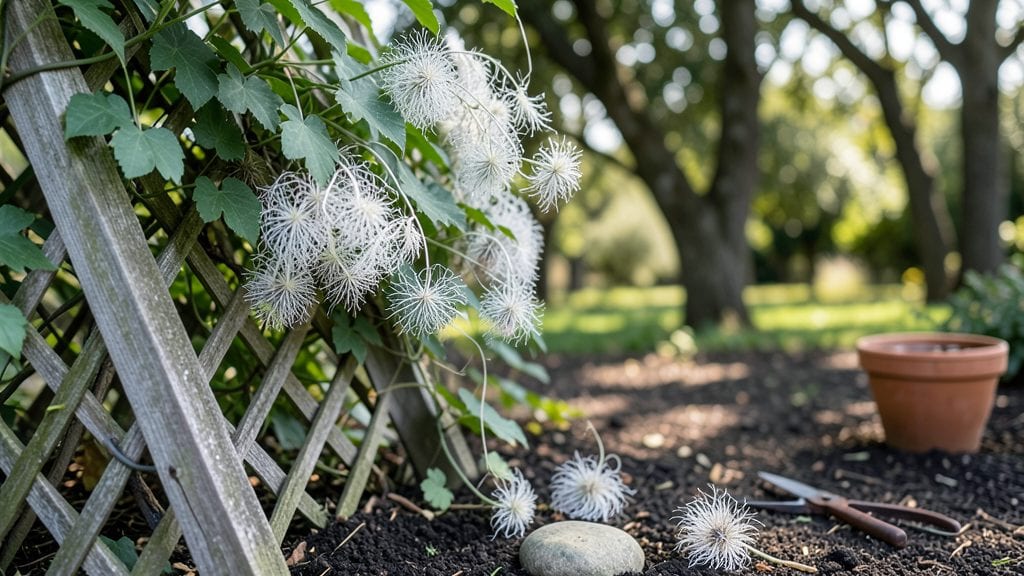
Perfumed climbing plants turn any garden corner into a fragrant sanctuary. ✨ The moment I trained jasmine along my patio trellis, my evenings transformed—no more dead air, just sweet, intoxicating blooms that lingered until dusk.
These vines don’t just climb; they create living aromatherapy, wrapping trellises in velvety scents that draw you closer to the garden.
Jasmine, clematis, and star jasmine lead the pack, each with its own personality. Star jasmine stays compact and thrives in partial shade, while clematis demands a sturdy trellis and full sun to reward you with showy, fragrant blooms.
The key? Matching their growth habits to your space—whether it’s a pergola, arbor, or even a chain-link fence. A little pruning keeps them lush, and the right companions (like lavender or roses) amplify their perfume.
Imagine stepping onto your porch to find your trellis draped in blossoms that smell like a tropical vacation. These vines aren’t just pretty—they’re your garden’s secret scent boosters, turning ordinary walls into fragrant backdrops.
The best part? Their fragrance peaks at dusk, when the air cools and the garden feels most alive. You’ll want them everywhere after the first whiff.
For maximum impact, plant them near seating areas or walkways where you’ll brush against the blooms. Pair with drought-tolerant companions to reduce maintenance, and water consistently but avoid soggy roots. The payoff? A garden that doesn’t just look stunning but feels like a hug every time you pass by.
📚 In This Guide
- What you need
- Instructions
- Tips and common mistakes
- Wrapping up and next steps
What you need
- ● Perfumed climbing plants: Choose from fragrant varieties like Jasmine (Jasminum), Clematis, Star Jasmine (Trachelospermum jasminoides), or Passionflower (Passiflora). Buy 2-4 healthy plants (depending on space).
- ● Trellis or support structure: A 6-8 ft tall trellis, arbor, or pergola (metal, wood, or PVC). Ensure it’s sturdy and has horizontal bars or mesh for vines to cling to.
- ● Potting soil: 10-15 gallons of well-draining, nutrient-rich potting mix (e.g., 50% garden soil, 30% compost, 20% perlite for aeration).
- ● Containers (if indoor/container gardening): Large pots (12-18 inches in diameter) with drainage holes for each plant.
- ● Garden gloves (to protect hands from thorns or rough stems).
- ● Trowel or shovel (for planting and soil prep).
- ● Pruning shears (to trim vines and encourage bushier growth).
- ● Watering can or hose (with a gentle spray nozzle).
- ● Fertilizer (balanced 10-10-10 or organic options like compost tea).
- ● Mulch (straw or wood chips to retain moisture).
- ● Epsom salt (1 tbsp/month in water) to boost magnesium for vibrant blooms.
- ● Fragrance-enhancing sprays (like neem oil or citrus-scented water for a subtle boost).
- ● LED grow lights (if growing indoors near windows with limited sunlight).
- ● Decorative accents (fairy lights, wind chimes, or hanging ornaments to complement your living wall).
Step-by-step guide to planting and caring for perfumed climbing vines
Here’s how to transform any wall or trellis into a fragrant garden retreat.
🌱 Step 1: Choose the Right Trellis and Planting Location
Start by selecting a sturdy trellis or living wall structure—something that can support the weight of mature vines like clematis, jasmine, or star jasmine. I like to use a wooden lattice or metal grid for durability, especially if the vines will climb vertically. Install it in a spot with at least 6 hours of sunlight daily—most fragrant climbers thrive in full sun but tolerate partial shade.
Check the soil drainage where you’ll plant. Perfumed climbers hate soggy roots, so amend heavy soil with 2-3 inches of compost to improve aeration. If your area gets strong winds, secure the trellis with stakes or cables to prevent toppling as the vines grow heavier with flowers.
🪴 Step 2: Plant Vines at the Correct Depth and Spacing
Dig a hole twice as wide as the root ball but only as deep as the container it came in. Loosen the roots gently if they’re circling—this encourages them to spread outward. For 4 plants, space them 6-8 feet apart if planting in a row along a fence, or 3-4 feet apart if using a trellis for a living wall. Jasmine and clematis need this room to establish strong root systems before climbing.
Place the vine in the hole, backfill with native soil mixed with 1 cup of bone meal (for phosphorus to boost flowering), and water deeply to settle the soil. Don’t bury the crown too deep—keep it 1-2 inches below soil level to prevent rot. Mulch around the base with 2 inches of shredded bark to retain moisture and deter weeds.
☀️ Step 3: Train Vines and Provide Support Early
As soon as new growth appears, guide the main stems toward the trellis using soft plant ties or twine. I like to weave the vines through the lattice or wrap them gently around metal supports—never pull them tight, or you’ll damage tender stems. Prune any suckers growing below the first set of leaves to encourage upward growth toward the trellis.
Watch for new leaf pairs—this is your cue to check for pests like aphids or spider mites, which love fragrant climbers. Spray with neem oil if you spot any, but avoid wetting the leaves during flowering to preserve their scent. Regularly trim back leggy growth to keep the plant compact and encourage bushier flowering.
💧 Step 4: Water and Fertilize for Maximum Fragrance
Water deeply once a week during the first growing season, letting the soil dry out slightly between waterings. Overwatering is the biggest mistake—it leads to root rot and fewer flowers. You’ll know moisture is right when the top 2 inches of soil feel dry to the touch. Reduce watering in winter, but keep the soil from drying out completely.
Feed vines with a balanced 10-10-10 fertilizer every 4-6 weeks during spring and summer. Stop fertilizing in late summer to allow the plant to harden off for winter. I’ve found that jasmine responds best to a light feeding, while clematis benefits from a phosphorus-heavy mix to boost blooms. Always water after fertilizing to prevent root burn.
✂️ Step 5: Prune for Health and More Fragrance Next Season
Prune jasmine and star jasmine in late winter or early spring before new growth starts. Cut back one-third of the oldest stems to encourage fresh, fragrant growth. For clematis, prune in stages: first, remove dead or weak stems, then cut back the rest to 2-3 healthy buds above the ground. This ensures a burst of blooms in late spring or early summer.
After flowering, trim back any spent blooms to redirect the plant’s energy into next year’s growth. Store pruned branches in a cool, dry place if you want to propagate new plants from cuttings. With proper pruning, your vines will reward you with doubled fragrance and fuller coverage on the trellis each season.
Tips & tricks for perfect perfumed climbing vines
Transforming your garden into a fragrant sanctuary doesn't have to be complicated—just follow these key strategies that'll make all the difference.
Sunlight Strategy: While the instructions mention at least 6 hours of sunlight daily, I've found that morning sun exposure (especially between 8 AM and 11 AM) is particularly beneficial for jasmine varieties. If you're in a hot climate, provide afternoon shade to prevent leaf scorch. For star jasmine, which is more drought-tolerant, you can extend the partial shade to 4-5 hours during peak summer months without sacrificing fragrance.
Planting Depth and Spacing: The instructions specify planting at 1-2 inches below soil level, but I've learned that clematis actually prefers being planted slightly deeper—up to 3 inches—to encourage stronger root development. For the 4 plants spacing, remember that vines will spread wider than you might expect: give them an extra 2 feet of space if your trellis runs horizontally rather than vertically. This prevents overcrowding and improves air circulation, which is crucial for preventing fungal diseases.
Training and Support: When training vines in Step 3, use soft plant ties or twine that you can easily adjust as the plant grows. I've found that wrapping vines around metal supports in a spiral pattern (rather than just tying them) helps distribute weight more evenly. Also, check your ties monthly—they can become too tight as the vine thickens, which can girdle the stem. For trellises, consider adding horizontal crossbars every 2 feet to provide additional support as the vines mature.
Fertilizer Timing: The instructions recommend a 10-10-10 fertilizer every 4-6 weeks, but I've refined this approach based on plant type. For jasmine, which is more sensitive to over-fertilizing, I switch to a 5-5-5 fertilizer during the last two feedings of the season to prevent late-season growth that might not harden off properly before winter. For clematis, I've found that adding a phosphorus boost (like a 10-20-10 mix) right before the blooming season really enhances flower production. Always water thoroughly after fertilizing to prevent root burn.
Pro Tips for Perfumed Climbing Plants
- Transforming your garden into a fragrant sanctuary doesn't have to be complicated—just follow these key strategies that'll make all the difference.
- Sunlight Strategy: While the instructions mention at least 6 hours of sunlight daily, I've found that morning sun exposure (especially between 8 AM and 11 AM) is particularly beneficial for jasmine varieties.
- For the 4 plants spacing, remember that vines will spread wider than you might expect: give them an extra 2 feet of space if your trellis runs horizontally rather than vertically.
Frequently asked questions
Got questions about fragrant climbing plants?
Here are answers to the most common queries to help you choose and care for your perfumed vines with confidence!
Which perfumed climbing plants are easiest for beginners?
Start with Clematis or Jasmine (Trachelospermum jasminoides)—both are hardy, fast-growing, and forgiving. Star jasmine (Trachelospermum asiaticum) is another great pick for its sweet scent and low-maintenance nature. These vines thrive in partial shade and tolerate occasional neglect, making them perfect for new gardeners!
When is the best time to plant perfumed climbing plants?
Plant in early spring (after the last frost) or early fall for optimal root establishment. Avoid extreme heat or cold. If planting in containers, you can also transplant in late spring, but ensure they get consistent moisture until established. Pro tip: Jasmine and Honeysuckle can even handle light frosts once mature!
How do I keep my climbing plants fragrant all season?
Fragrance peaks in morning sunlight and may fade in hot afternoons. To extend blooms and scent:
- Prune dead or overcrowded growth in early spring to encourage new, fragrant flowers.
- Fertilize lightly with balanced, organic fertilizer (10-10-10) in spring and mid-summer.
- Avoid overwatering—soggy roots reduce flowering.
What are good alternatives if my trellis isn’t sturdy enough?
If your trellis can’t support heavy vines like Wisteria or Passionflower, try lighter options:
- Sweet pea (Lathyrus odoratus) – Annual but ultra-fragrant and lightweight.
- Climbing roses (e.g., 'New Dawn') – Elegant, scented, and moderate in weight.
- Cobaea scandens (Cup-and-Saucer Vine) – Fast-growing with delicate, fragrant flowers.
Why isn’t my perfumed vine smelling as strong as expected?
Weak scent could stem from:
- Poor pollination – Hand-pollinate flowers with a soft brush if bees are scarce.
- Over-fertilizing with nitrogen – Too much leafy growth = fewer flowers. Switch to phosphorus-rich fertilizer for blooms.
- Lack of sunlight – Most fragrant vines need 6+ hours of sun daily.
- Old age – Some vines (like Jasmine) scent strongest in years 2–3.
Wrapping up and next steps
Perfumed climbing plants aren’t just a dream—they’re a fragrant, living masterpiece waiting to transform your space! 🌿 Whether you’re dreaming of a scented garden wall or a trellis that fills your patio with intoxicating aromas, vines like jasmine, clematis, or star jasmine make it effortless.
With the right setup, these plants thrive, turning ordinary walls into sensory havens.
Ready to take the next step? Start small—pick one or two vines, gather your supplies, and let nature do the rest. Before you know it, your outdoor (or indoor!) retreat will be bursting with fragrance and life. Happy gardening! 🌸