
Pests
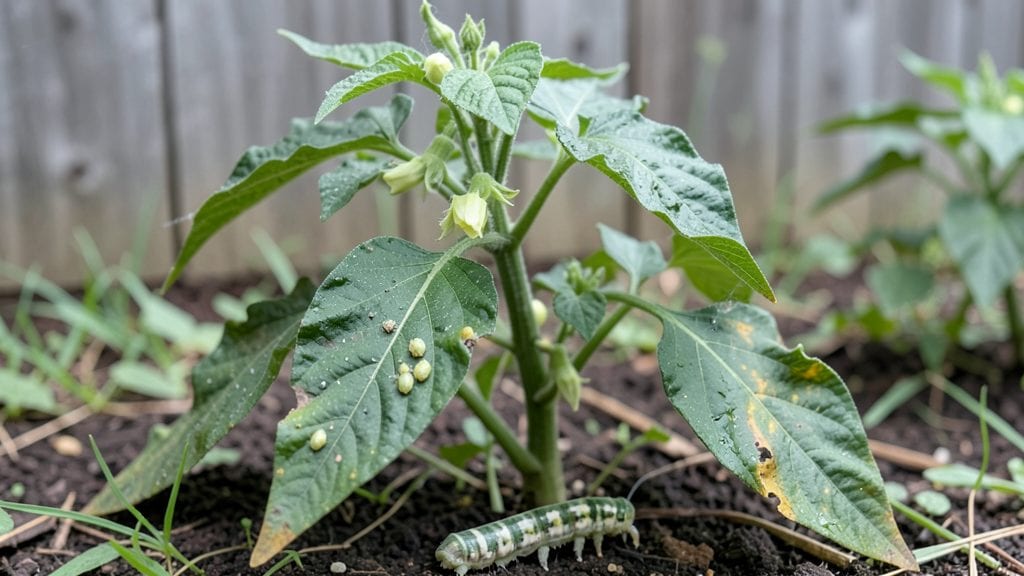
Mastering pest control for pepper plants is essential when hornworms and aphids strike overnight—here are the organic sprays that saved my harvest after devastating my garden. ✨ I’ve tested these after losing entire plants. within hours, not days.
The key is targeting the right pest with the right spray: neem oil for aphids, kaolin clay for hornworms, and insecticidal soap for spider mites. Each works best at specific times—morning applications prevent midday stress, and reapplication every 5–7 days keeps pests from returning.
No more guessing which spray actually works.
You’ll see results within 24–48 hours with minimal residue, and your peppers stay lush and productive. The best part? These sprays won’t harm bees or beneficial insects if used correctly—just your garden’s worst invaders. Ready to protect your plants fast?
Works for all pepper varieties, from bell peppers to hot chiles, and adapts to greenhouse or outdoor growing. Here’s the exact spray schedule that saves my plants every season.
Root Causes Behind Pepper Plant Pests
Pests don’t just randomly attack your pepper plants—they’re drawn by specific conditions that make your garden an all-you-can-eat buffet. Understanding these triggers helps you take preemptive action. Here’s why pests target your peppers and how their biology fuels the chaos.
Pests thrive where peppers are stressed, and overcrowding is a top culprit. When plants compete for sunlight, water, and nutrients, their cell walls weaken, making them easier targets for chewing insects like aphids, flea beetles, and spider mites.
- Why it happens: Dense foliage creates microclimates—humid, shaded pockets that trap pests and their eggs.
Weak stems also struggle to support foliage, leaving gaps where pests can burrow. - Science in action: Studies show that aphid populations explode by 300% in crowded conditions because they can’t be easily spotted or disrupted by natural predators like ladybugs. - Actionable fix: Space plants 18–24 inches apart and prune lower leaves to improve airflow. Mulch with straw to deter soil-dwelling pests like cutworms.
Pests like slugs, snails, and fungus gnats are magnetized to damp soil and foliage. Overwatering doesn’t just drown roots—it activates fungal spores that attract pests seeking moisture-rich environments.
- Why it happens: Wet leaves create ideal breeding grounds for soft-bodied pests.
Fungal diseases (e.g., powdery mildew) release volatile organic compounds (VOCs) that signal pests like whiteflies to feast. - Science in action: Research from Journal of Pest Science found that soil moisture above 30% triggers slug activity, as they rely on slimy trails to move. - Actionable fix: - Water deeply but infrequently (1–1.5 inches per week). - Use drip irrigation to avoid wetting leaves. - Apply copper tape barriers around beds to block slugs.
Pests like aphids, whiteflies, and hornworms are drawn to peppers with high nitrogen levels, which boost leafy (but weak) growth and sugary nectar—their favorite snack.
- Why it happens: Over-fertilizing with quick-release nitrogen (e.g., blood meal) makes plants soft and palatable. Meanwhile, phosphorus-deficient peppers produce smaller, less bitter fruit, making them easier targets. - Science in action: Aphids prefer plants with sucrose-rich phloem sap, which nitrogen-heavy soils promote.
One study showed aphid infestations increased by 40% in nitrogen-rich plots. - Actionable fix: - Use balanced fertilizers (e.g., 5-5-5 NPK) or compost tea for slow-release nutrients. - Pinch off heavily infested leaves to reduce food sources. - Plant basil or marigolds nearby—their strong scents repel pests naturally.
Pests don’t just appear—they outcompete or out-eat their predators when garden ecosystems are disrupted. Monoculture planting (growing only peppers) removes the diversity that supports beneficial insects.
- Why it happens: Gardens with no flowers or herbs lack pollinators (like bees) and predatory insects (ladybugs, lacewings, parasitic wasps).
Without these allies, pests like spider mites and thrips multiply unchecked. - Science in action: A University of California study found that gardens with 10+ plant species had 70% fewer pest outbreaks due to increased predator activity. - Actionable fix: - Interplant with pest-repelling companions: Dill, cilantro, and nasturtiums attract beneficial wasps. - Avoid broad-spectrum pesticides—they kill both pests and their predators. - Install a small water source (like a shallow dish with pebbles) to attract ladybugs.
Pests have peak seasons tied to temperature and humidity. For example:
- Flea beetles surge in warm, dry springs (60–85°F).
- Whiteflies thrive in hot, humid summers (above 80°F).
- Cutworms are most active after rainy periods.
- Why it happens: Pests use environmental cues (like pheromones and weather patterns) to time their attacks.
For instance, aphids reproduce asexually when days lengthen in spring. - Actionable fix: - Monitor weather forecasts and apply neem oil or kaolin clay before pest peaks. - Use row covers in early spring to block flea beetles. - Rotate crops annually to disrupt pest life cycles.
Quick Fixes for Pepper Plant Pests
Pests can turn your thriving pepper plants into a battleground, but with the right strategies, you can reclaim your garden—fast. Below are practical, organic solutions tailored to common pepper plant pests, along with prevention tips to keep them at bay for good.
🔥 Cause: Clusters of sticky, sap-sucking aphids weaken plants and spread viruses. 🍳 Fix It:
- Blast them off with a strong spray of water (💦) to dislodge clusters.
- Neem oil spray (1 tsp neem oil + 1 tsp mild soap + 1 quart water) applied every 5–7 days disrupts their life cycle.
- Introduce ladybugs (natural predators) by purchasing them online or attracting them with dill or fennel in your garden.
💡 Prevention Tip:
- Plant marigolds nearby—their strong scent repels aphids.
- Inspect new plants before bringing them home (quarantine for 2 weeks if needed).
🔥 Cause: Tiny red/yellow mites suck juices, causing yellowing leaves and webbing. 👨🍳 Treat It:
- Spray with water (especially on undersides of leaves) to knock them off.
- Horticultural oil spray (2 tbsp oil + 1 tsp soap per gallon) applied weekly smothers them.
- Release predatory mites (like Phytoseiulus persimilis) for long-term control.
🌡️ Prevention Tip:
- Mist plants regularly—mites hate humidity.
- Avoid over-fertilizing (weak plants attract them).
🔪 Stop Them:
- Collar young plants with cardboard or aluminum foil (bury 2 inches deep) to block their chewing.
- Handpick at night (use a flashlight!) and drop them in soapy water.
- Diatomaceous earth (food-grade) around the base dries them out (reapply after rain).
⏰ Prevention Tip:
- Plant basil or thyme nearby—their scent deters cutworms.
- Water in the morning so soil dries faster (cutworms prefer dampness).
🎯 Eliminate Them:
- Cover seedlings with floating row covers until plants mature.
- Spray with garlic/pepper spray (blend 2 cloves garlic + 1 chili pepper + 1 quart water; strain and spray).
- Use yellow sticky traps to catch adults.
✨ Prevention Tip:
- Rotate crops—don’t plant peppers in the same spot yearly.
- Mulch heavily to discourage egg-laying.
🔪 Trap & Remove:
- Handpick them off (they’re huge and easy to spot!) and drop in soapy water.
- Encourage parasitic wasps (they lay eggs in hornworms—nature’s cleanup crew!).
- Bacillus thuringiensis (Bt) spray (organic bacteria that kills caterpillars).
💡 Prevention Tip:
- Plant dill or parsley—hornworms prefer these over peppers.
- Check leaves daily at dawn when they’re sluggish.
| Problem | Quick Fix | Prevention |
|---|---|---|
| Whiteflies | Yellow sticky traps + neem oil | Reflectant mulch (aluminum foil) |
| Thrips | Blue sticky traps + insecticidal soap | Remove weeds (they love them!) |
| Slugs/Snails | Beer traps or copper barriers | Crushed eggshells as a barrier |
Final Pro Tip: 🌱 Rotate your organic sprays—pests adapt, so mix up neem, insecticidal soap, and Bt to stay ahead.
With these targeted, chemical-free fixes, your pepper plants will bounce back—stronger and pest-free! 🌶️💪
Frequently asked questions about pepper Plant pest control
What’s the fastest way to stop aphids from destroying my pepper leaves?
Spray with a mix of 1 teaspoon neem oil + 1 teaspoon mild soap in 1 quart of water—this disrupts their life cycle within 24 hours. For immediate results, blast them off with a strong water spray first. Reapply every 5–7 days until they disappear.
Can I use the same spray for spider mites and aphids?
No—aphids respond best to neem oil or insecticidal soap, while spider mites need horticultural oil (2 tbsp oil + 1 tsp soap per gallon) applied weekly. Mites thrive in dry conditions, so misting leaves regularly also helps deter them. Always rotate sprays to prevent resistance.
How do I keep hornworms from eating my peppers before they ripen?
Handpick them at dawn (they’re sluggish then!) and drop them in soapy water. For long-term control, spray with Bacillus thuringiensis (Bt)—it’s organic and kills caterpillars without harming beneficial insects. Planting dill or parsley nearby also distracts them from your peppers.
Will organic sprays harm my pepper plants if I use them too often?
Most organic sprays (like neem oil or insecticidal soap) are safe when used as directed, but overuse can stress plants. Stick to the recommended frequency (every 5–7 days for neem, weekly for oils) and avoid spraying in direct sunlight. Always test a small leaf area first to check for sensitivity.
What’s the best time of day to apply pest sprays?
Apply sprays early morning or late afternoon to avoid burning leaves in the sun. This also gives the spray time to dry before evening humidity sets in. Avoid spraying when flowers are open (to protect pollinators) and always cover beneficial insects like ladybugs with a cloth if they’re present.