
Watering
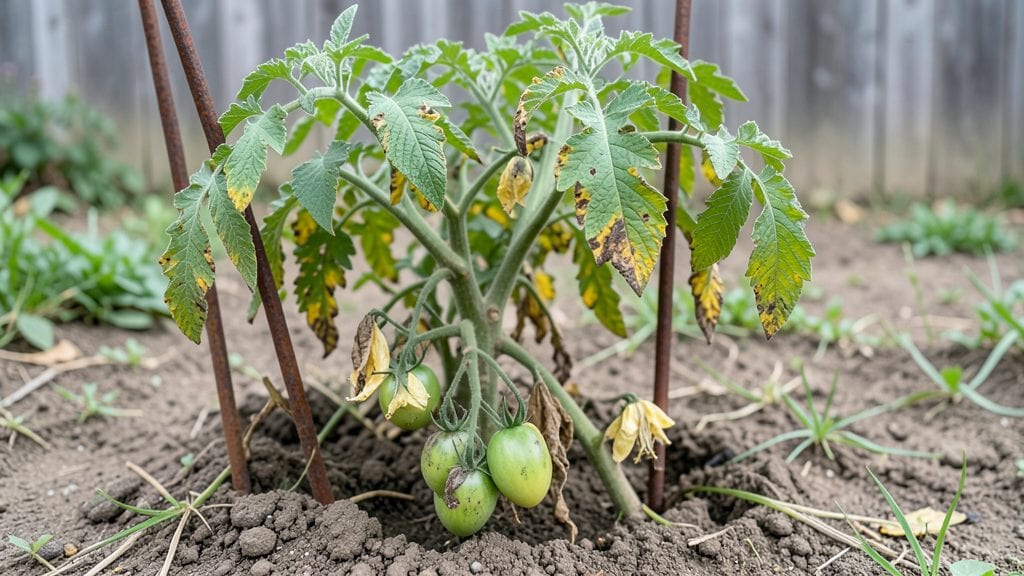
These pictures of overwatered tomato plants will make you wince—yellow, droopy, and nothing like the thriving vines you planted, but don’t panic. 🌱 I’ve nursed back more than my fair share of these soggy survivors, and the fix is simpler than you’d think—no green thumb required.
The key is spotting the signs fast: droopy leaves, yellowing at the bottom, and that musty smell when you dig near the roots.
Most people water on a schedule, but tomatoes need consistent moisture—not a swamp. The soil should feel like a damp sponge, not a dripping sponge. If your plants are already struggling, cut back immediately and let the top 2–3 inches dry out before watering again.
No more guesswork—just check your finger.
Within a week, you’ll see new green leaves pushing out as the roots recover. The secret? Water deeply but less often, and make sure pots or beds have good drainage.
A 5-gallon bucket with holes works better than a saucer of standing water. Your tomatoes will bounce back faster than you think.
This works for both container plants and in-ground gardens. The only difference is how fast the soil dries—containers need more frequent checks. Once you’ve reset the watering rhythm, your plants will stay happy and productive all season.
Root Causes of Overwatering
Overwatering tomato plants might seem counterintuitive—after all, plants need water to thrive! 💧 However, when roots drown in excess moisture, they struggle to absorb oxygen, leading to a cascade of problems that manifest as yellowing leaves, wilting, and stunted growth.
Let’s break down the key reasons why your tomato plants might be drowning in water, even if it looks like you’re giving them plenty.
Tomatoes thrive in well-draining soil that allows excess water to escape quickly. If your soil is heavy clay, compacted, or lacks organic matter (like compost or sand), water pools around the roots instead of draining away. This creates anaerobic conditions—a root’s worst nightmare.
- Why it happens:
- Clay soil particles pack tightly, blocking oxygen flow to roots.
- Over time, organic matter decomposes, reducing soil porosity.
- Container-grown tomatoes often suffer if pots lack drainage holes.
- Actionable fix:
- Amend soil with perlite, vermiculite, or coconut coir to improve aeration.
- Test your soil’s drainage: Fill a container with soil, add water, and time how long it takes to drain. Ideal? Under 30 minutes.
Watering on a strict schedule—like every morning at 8 AM—can lead to overwatering, especially if rain or humidity adds extra moisture. Tomatoes need consistent moisture, but their roots also need breathing room.
- Why it happens:
- Automated sprinklers or drip systems may run without checking soil moisture.
- Gardeners often assume "more water = better growth," ignoring signs of saturation.
- Mulch (while great for retention) can trap moisture if overused in hot climates.
- Actionable fix:
- Check soil moisture before watering: Stick your finger 2 inches deep—if damp, wait.
- Water deeply but infrequently (1–2 times per week, depending on climate).
- Use a moisture meter for precision, especially in containers.
Tomatoes in pots are prone to overwatering because roots have limited space to spread. When roots fill the container, they can’t absorb water efficiently, leading to saturation and root rot.
- Why it happens:
- Small pots (under 5 gallons) restrict root growth, causing water to linger.
- Too many plants in one container compete for oxygen and space.
- Fabric pots (while breathable) can still trap moisture if not monitored.
- Actionable fix:
- Upgrade pot size: Aim for at least 5 gallons per plant (bigger is better for indeterminate varieties).
- Space roots properly: Follow the "one plant per 12–18 inches of pot diameter" rule.
- Choose breathable materials: Terracotta or fabric pots help evaporate excess moisture faster.
Overwatering creates the perfect conditions for fungal pathogens like Phytophthora, Pythium, and Fusarium, which thrive in soggy soil. These infections clog root cells, preventing water and nutrient uptake—leading to yellow leaves and death.
- Why it happens:
- Fungal spores spread rapidly in waterlogged soil.
- Weakened roots (from lack of oxygen) become easy targets.
- Cool, humid weather accelerates fungal growth.
- Actionable fix:
- Improve airflow: Space plants 18–24 inches apart to reduce humidity near foliage.
- Apply fungicide preventatively: Use copper-based sprays or neem oil if you’ve had past issues.
- Avoid overhead watering: Water at the base to keep leaves dry.
Tomatoes in cool, rainy seasons (spring or fall) or high-humidity climates require less frequent watering than in scorching summer heat. Overwatering in these conditions drowns roots before they can adjust.
- Why it happens:
- Rainfall + irrigation = double the moisture roots don’t need.
- Cloudy days reduce evaporation, keeping soil damp longer.
- New gardeners often water the same amount year-round, regardless of weather.
- Actionable fix:
- Adjust watering by season:
- Spring/Fall: Water every 3–5 days (less if rainy).
- Summer: Water daily (early morning) but deeply.
- Use a rain gauge to track natural water input and adjust accordingly.
- Adjust watering by season:
If roots were disturbed (e.g., during transplanting) or compacted (from walking on soil or heavy mulch), they struggle to absorb water efficiently. This forces you to overcompensate with more water, leading to saturation.
- Why it happens:
- Transplant shock disrupts root growth, reducing water uptake.
- Heavy mulch or foot traffic compresses soil, cutting off oxygen.
- Root-bound plants (in small pots) develop a tangled mess that can’t access water properly.
- Actionable fix:
- Gently loosen soil around roots when transplanting—no rough handling!
- Mulch lightly: Use straw or shredded leaves (1–2 inches) to retain moisture without suffocating roots.
- Repot root-bound tomatoes into larger containers with fresh, airy soil.
Revive & Prevent Overwatered Tomatoes
Overwatered tomato plants may look sad, but with the right care, they can bounce back stronger than ever! Below are practical, step-by-step fixes tailored to common signs of overwatering—plus prevention tips to keep your plants thriving. Let’s turn those droopy leaves into lush, productive vines!
Cause: Waterlogged soil cuts off oxygen, causing roots to suffocate and leaves to yellow (often starting at the bottom).
Solution:
- ⏰ Stop Watering Immediately
- Let the soil dry out completely before watering again. Stick your finger 1–2 inches deep—if it’s damp, wait.
- Pro Tip: 💡 Use a moisture meter for accuracy, especially in clay or heavy soils.
- 🔥 Improve Drainage Fast
- For pots: Add perlite, vermiculite, or coconut coir to the soil mix (aim for 30–40% amendment).
- For garden beds: Amend the soil with compost or sand to loosen compacted areas.
- Warning: ⚠️ Avoid peat moss—it holds too much water!
- 👨🍳 Prune Damaged Foliage
- Snip off yellow or mushy leaves with clean scissors to redirect energy to healthy growth.
- Bonus: ✨ Remove suckers (side shoots) to reduce stress on the plant.
- 🥘 Support Root Recovery
- Fertilize lightly with a balanced 10-10-10 or fish emulsion (half-strength) to replenish nutrients.
- Avoid: 🚫 High-nitrogen fertilizers—they worsen root stress.
Cause: Overwatering (or uneven moisture) disrupts calcium uptake, leading to dark, sunken spots on tomatoes.
Solution:
- 🌡️ Stabilize Soil Moisture
- Water deeply but infrequently—aim for 1–1.5 inches per week (adjust for rain).
- Tool Tip: 🔥 Use drip irrigation or soaker hoses to deliver water directly to roots.
- 📊 Boost Calcium Levels
- Spray leaves with a calcium nitrate solution (1 tsp/gallon of water) every 2 weeks.
- Amend soil with crushed eggshells, gypsum, or bone meal for long-term calcium.
- 🥗 Mulch to Lock in Moisture
- Apply 2–3 inches of straw or wood chips around plants to prevent soil temperature swings.
Cause: Chronic overwatering leads to root rot (often from Phytophthora or Pythium fungi).
Solution:
- 🔪 Remove Infected Plants (If Severe)
- Dig up the plant and dispose of it (don’t compost!). Sterilize tools with rubbing alcohol.
- 🌿 Revive Early-Stage Rot
- Repot the plant in fresh, sterile potting mix (add mycorrhizal fungi to aid recovery).
- Water only when the top 2 inches are dry.
- 💪 Strengthen Future Plants
- Rotate crops—don’t plant tomatoes in the same spot for 3+ years.
- Solarize soil (cover with clear plastic for 4–6 weeks in summer) to kill pathogens.
| Problem | Prevent It With… | Maintenance Hack |
|---|---|---|
| Waterlogged soil | Raised beds or containers with drainage holes | Test soil with a moisture probe |
| Uneven watering | Self-watering pots or smart timers | Group plants by water needs |
| Poor drainage | Sand or compost amendments | Plant on mounds for runoff |
| Fungal diseases | Copper fungicide (preventative spray) | Prune for airflow |
Final Pro Tip: 🎯 Observe your plants daily—tomatoes thrive on consistency, not excess. A little yellow here and there? Adjust before it’s too late!
With these fixes, your tomatoes will be back to vibrant green and producing juicy, flavorful fruit in no time. 🍅💚
Frequently asked questions about overwatered tomato plants
What do overwatered tomato leaves look like?
Overwatered tomato leaves typically start yellowing at the bottom, then spread upward. They may feel mushy to the touch and appear limp or droopy, even when the soil is wet. Look for dark, waterlogged spots on stems or leaves—this signals root suffocation from excess moisture.
Can I save an overwatered tomato plant?
Yes! Stop watering immediately and let the top 2–3 inches of soil dry out. Prune yellowed leaves to reduce stress, and repot if using containers. Within 5–7 days, you should see new green growth as roots recover. For severe cases, check for root rot—black, mushy roots mean you may need to trim affected areas.
How often should I water tomato plants to avoid overwatering?
Water deeply 1–2 times per week, depending on climate and soil type. In hot weather, morning watering is best, but always check soil moisture first—stick your finger 2 inches deep. If damp, wait. Containers dry faster than garden beds, so monitor them daily. Mulch helps retain moisture without drowning roots.
Why do my tomato plants get overwatered even when I’m not adding extra water?
Overwatering often happens due to poor drainage, heavy clay soil, or rain combined with irrigation. If your pots lack drainage holes or garden soil compacts easily, water pools around roots. Even humidity can trap moisture—test your soil’s drainage by filling a container, adding water, and timing how long it takes to drain (ideal: under 30 minutes).
What’s the difference between overwatered and underwatered tomato plants?
Overwatered plants show yellowing leaves (bottom-up), wilting, and mushy stems, while underwatered plants have crispy, brown edges and dry soil. The key difference? Overwatered soil stays damp for days, while underwatered soil feels bone-dry. Check the soil—if it’s soggy, you’re overwatering; if it’s powdery, you’re underwatering.