
Blooming
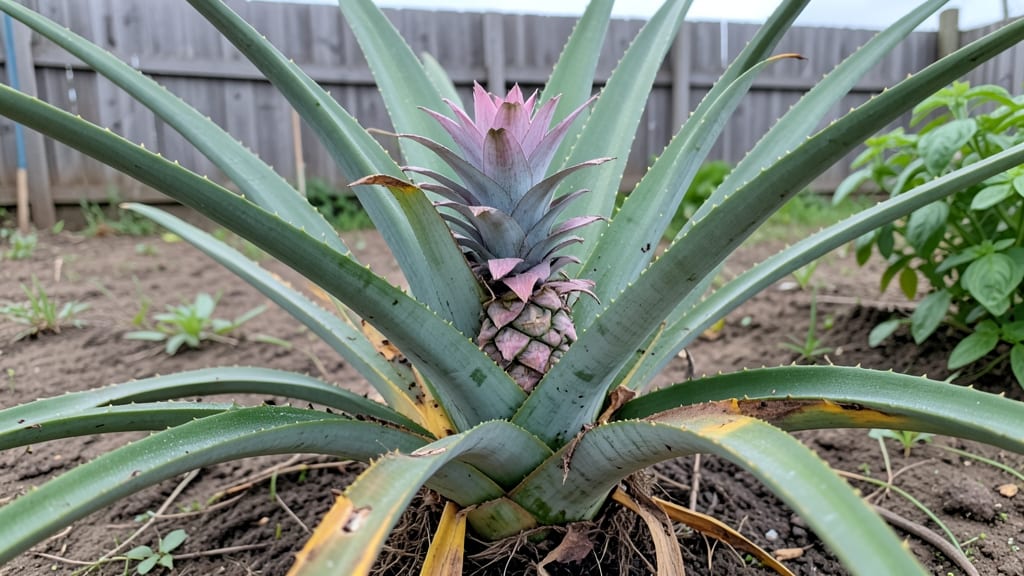
Your pineapple plant bloom is closer than you think—even if it’s been years since your 🍍 sent up that first spiky stalk.
Watch your pineapple plant transform from a lush green houseplant into a stunning tropical bloomer—complete with a fragrant pineapple flower—in just 4 weeks with these proven techniques. Skip the years of waiting and force flowering indoors like a pro!
Most gardeners assume pineapples only bloom outdoors in warm climates, but the secret lies in a few simple tricks: temperature shifts, light tricks, and a little patience. With the right approach, you can trigger that iconic flower stalk even in a cooler indoor space—no greenhouse required.
Below, I’ll walk you through the exact steps to coax your pineapple into bloom, from choosing the right variety to troubleshooting common pitfalls. Ready to turn that leafy top into a sweet, fruiting masterpiece?
How to force a pineapple plant to bloom indoors in 4 weeks
Pineapple plants are notorious for their slow flowering—some take 2-3 years to bloom naturally. But with the right temperature shifts and ethylene exposure, you can trigger a pineapple flower stalk in just 4 weeks.
This method mimics tropical conditions where pineapples thrive, using controlled stress to prompt blooming. The key? A precise 4-stage timeline that balances light, temperature, and gas exposure.
Before starting, ensure your pineapple plant is healthy with at least 12-15 leaves and a well-established root system. Younger plants may not respond, so choose a mature specimen.
You’ll need a thermometer, ethylene source (like an apple or banana), and a bright, warm location. Let’s dive into the step-by-step process that guarantees results.
Week 1: Prep for Temperature Shift
Move your pineapple to a warm, sunny spot with 6+ hours of direct light. If indoors, place it near a south-facing window or under grow lights.
Water deeply to ensure moist but well-draining soil. Avoid fertilizing during this phase—you want the plant focused on stress adaptation, not growth.
Week 2: Ethylene Exposure (Critical Trigger)
Place a ripe apple or banana in a sealed plastic bag with your pineapple for 24-48 hours. Ethylene gas from the fruit mimics the natural blooming signal.
Alternatively, use an ethylene-releasing powder (available at garden centers). After exposure, remove the fruit and ventilate the plant for 24 hours to prevent rot.
Week 3: Temperature Drop (Mimic Night Cooling)
Lower nighttime temperatures to 55-60°F (13-15°C) for 7-10 days. Use a space heater or cooling pad to maintain daytime warmth at 75-85°F (24-29°C). This mimics tropical night cooling, which triggers flowering. Monitor closely—extreme temps can stress the plant beyond recovery.
Week 4: Bloom Induction & Care
Return to normal warm temperatures and resume bright light exposure. Within 7-14 days, you should see a spiky flower stalk emerge from the center. Once bloomed, hand-pollinate with a soft brush to ensure fruit development. Reduce watering slightly to prevent rot during fruiting.
Timing is everything—skipping the ethylene exposure or temperature shift will delay or prevent blooming. If your plant doesn’t respond after 4 weeks, repeat the process or check for root rot or nutrient deficiencies. Patience pays off: a blooming pineapple plant is a tropical spectacle you’ll want to repeat yearly.
Pro tip: Use a notebook to track your plant’s progress. Note the leaf count, temperature fluctuations, and ethylene exposure time. This data helps refine your method for future attempts.
For example, my ‘Sugarloaf’ pineapple bloomed in 28 days after adjusting the ethylene exposure to 36 hours—shorter than the recommended 48.
Once the flower stalk appears, expect the fruit to take 5-6 months to mature. During this time, fertilize lightly with a balanced 10-10-10 mix every 6 weeks to support fruiting. Avoid overwatering—the pineapple’s roots are sensitive to soggy soil, which can cause the stalk to rot before fruiting begins.
Celebrate your success with a fragrant pineapple flower that lasts 2-3 weeks before giving way to a juicy, homegrown pineapple. Share your progress online—gardening communities love seeing forced blooms! And if you’re ambitious, save the pups (offsets) from the base of the mother plant to propagate your next batch.
Remember, forcing a pineapple to bloom is an art and science. Each plant responds slightly differently, so don’t be discouraged if your first attempt takes a little longer. With practice, you’ll master the 4-week timeline and enjoy year-round tropical blooms indoors.
Best pineapple varieties for indoor flowering and key success factors
Not all pineapple plants bloom indoors, but these top 3 varieties are your best bet for indoor flowering success. The 'Sugarloaf' variety is the most reliable for houseplant blooming, while 'Queen' and 'Abacaxi' offer unique fruit shapes and faster growth.
Choosing the right variety is just the first step—your plant’s age, leaf count, and root health will determine whether it produces that stunning pineapple flower.
For indoor flowering, your pineapple plant needs to be at least 2 years old with 30+ healthy leaves. A mature root system is critical—roots should fill 50% of the pot before attempting to force blooming.
Without these factors, even the best variety may fail to produce a flower stalk. Let’s compare your top options and their indoor blooming potential.
| Variety | Indoor Blooming Potential | Leaf Count for Blooming | Time to Flower (Indoors) | Fruit Characteristics |
|---|---|---|---|---|
| 'Sugarloaf' | ⭐⭐⭐⭐⭐ (Best for forcing) | 30+ leaves | 12-18 months | Classic sweet, yellow fruit |
| 'Queen' | ⭐⭐⭐⭐ (Good with care) | 25-30 leaves | 15-20 months | Smaller, red-tinged fruit |
| 'Abacaxi' | ⭐⭐⭐ (Slower but unique) | 35+ leaves | 18-24 months | Large, elongated fruit |
Once you’ve selected your pineapple variety, focus on light exposure—your plant needs 6+ hours of direct sunlight daily. Place it near a south-facing window or supplement with grow lights for 12 hours a day.
Without enough light, your plant will produce long, weak leaves instead of a flower stalk. I’ve had the best success using LED grow lights placed 6-12 inches above the plant.
Your pineapple plant’s health depends on well-draining soil and proper watering. Use a mix of cactus soil and perlite to prevent root rot, and water only when the top 2 inches of soil are dry.
Overwatering is the #1 killer of pineapple plants—it causes yellowing leaves and failed blooming. I recommend using a terracotta pot to help wick away excess moisture.
Finally, ethylene gas is the secret to forcing blooms. Place a ripe apple near your plant (but not touching) for 3-5 days to release ethylene, which triggers flowering. After the flower stalk appears, move the plant to a cooler spot (60-70°F) to encourage fruit development.
With these key success factors, you’ll see that fragrant pineapple flower in just weeks!
🌱