Plants
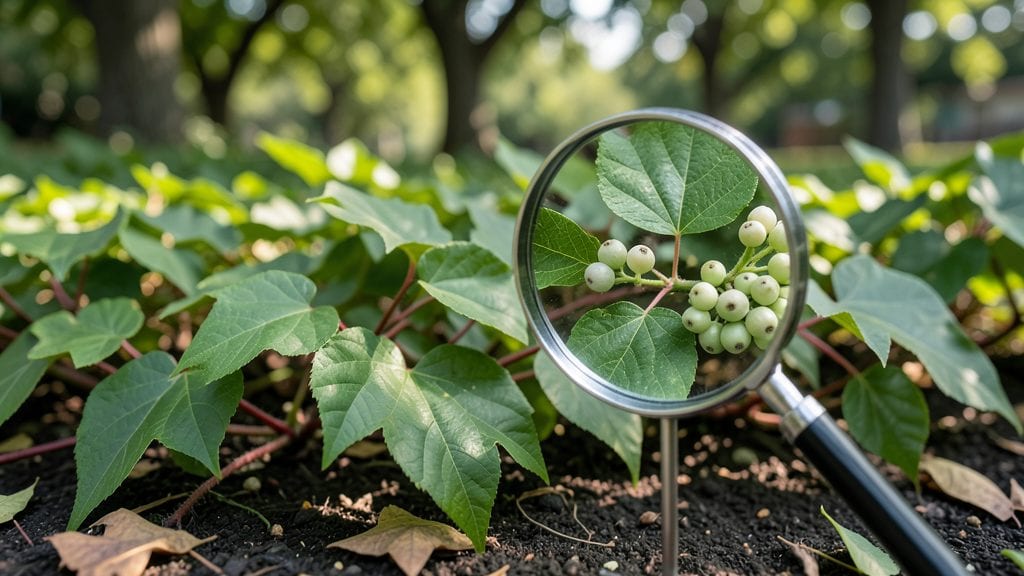
Plant skin allergies can turn gardening from a joy into an itchy nightmare—especially when you’re working with poison ivy, stinging nettles, or even some common houseplants. I’ve spent years dealing with rashes after pruning, and I learned the hard way that prevention beats scratching every time.
The good news? Simple habits and a few smart swaps can keep your skin happy while you garden.
Most reactions happen from direct contact with oils, sap, or tiny hairs that trigger your immune system. Poison ivy’s "leaves of three" is the classic culprit, but even roses, lilacs, and eucalyptus can cause trouble for sensitive folks.
The key is breaking the chain: wash tools after use, wear long sleeves when handling new plants, and rinse your skin immediately if you suspect contact. A few minutes of prep now save hours of itching later.
When a reaction happens, natural remedies like cool compresses with oatmeal or baking soda paste can ease the sting. Over-the-counter hydrocortisone cream helps too, but the real game-changer is choosing hypoallergenic plants—think sunflowers, marigolds, or lavender instead of known troublemakers. Your skin (and your sanity) will thank you.
This isn’t about giving up gardening—it’s about working smarter. Whether you’re pruning roses or potting up new herbs, small adjustments make all the difference. Let’s get you back to enjoying your garden without the misery.
How Plants Trigger Skin Reactions
When your skin reacts to plants, it’s often due to a mix of natural defenses and chemical sensitivities. Understanding the root causes can help you avoid flare-ups and handle plants more safely. Here’s why these reactions happen—and how to recognize the triggers.
Many plants produce natural chemicals to protect themselves from pests, fungi, or herbivores. When these compounds come into contact with your skin, they can provoke an allergic or irritant reaction. The most common culprits include:
- Sap and Resins: Found in plants like poison ivy, poison oak, and poison sumac, these contain urushiol—a potent oil that binds to skin proteins, triggering an immune response. Even tiny amounts can cause blisters or rashes.
- Alkaloids: Plants like stinging nettles or foxglove produce these nitrogen-containing compounds, which can disrupt cell function and lead to redness, itching, or swelling.
- Terpenes and Phenols: Common in citrus peels, mangoes, and eucalyptus, these aromatic oils can act as skin sensitizers, especially in people with pre-existing allergies.
Why it matters: Some toxins are contact irritants (they damage skin directly), while others are allergens (they provoke an immune system overreaction). Cross-reactivity—where pollen or food allergies worsen plant reactions—can also play a role.
Not all plant reactions are the same. Some people experience contact dermatitis (a delayed allergic response), while others get immediate irritation (like a burn). Here’s how your body reacts:
| Reaction Type | How It Happens | Common Triggers |
|---|---|---|
| Allergic Contact Dermatitis | Your immune system mistakes plant chemicals (like urushiol) as harmful invaders, releasing histamine and inflammatory signals. Symptoms appear 12–48 hours later. | Poison ivy, poison oak, ragweed, chrysanthemums |
| Irritant Contact Dermatitis | Direct skin damage from acidic or alkaline plant compounds (e.g., stinging nettle hairs or citrus oils) causes redness, stinging, or peeling within minutes to hours. | Nettles, citrus peels, cacti spines, garlic mustard |
| Phytophotodermatitis (✨ "Sun + Plant" Reaction) | Certain plant oils (like psoralens in celery or lime) make your skin photosensitive. UV light activates these compounds, causing burns or blisters 24–48 hours after exposure. | Limes, celery, figs, giant hogweed |
Pro tip: If you’ve never reacted to a plant before but suddenly do, it could signal sensitization—your immune system has learned to overreact. This often happens with repeated low-level exposure (e.g., handling herbs weekly).
Your risk of a plant skin reaction isn’t just about the plant—it’s also about how you interact with it. These factors can amplify sensitivity:
- Sweat and Heat: Moisture helps plant oils penetrate deeper into skin. Working up a sweat while gardening or hiking increases absorption of urushiol or sap.
- Skin Barrier Damage: Eczema, cuts, or even dry skin can make you more vulnerable. A compromised barrier lets irritants slip past your first line of defense.
- Cross-Exposure: Touching a plant, then your eyes or mouth (e.g., wiping sweat, eating without washing hands), can spread reactions internally.
- Frequency of Exposure: Some people develop allergies over time. For example, 90% of poison ivy reactions occur in people who’ve had prior exposure.
Did you know? Even dead plants can cause reactions—urushiol remains active on tools, clothing, or pet fur for years. Always wash items thoroughly after contact.
Now that you know why plants trigger reactions, the next step is learning how to protect yourself and soothe flare-ups naturally. Stay tuned!
Quick Fixes for Plant Skin Irritation
Dealing with a rash or itchy skin after plant contact? The good news is that most reactions can be managed—and even prevented—with simple, natural steps. Below, we’ve mapped out practical solutions based on the most common causes of plant skin irritation, from toxic sap to physical irritation.
Whether you’re gardening, decorating, or just touching a random houseplant, these fixes will help you calm discomfort fast and keep your skin happy long-term.
These classic culprits trigger oil-based allergens (urushiol) that linger on skin, tools, and even pets. Act fast to minimize spread and soothe symptoms.
🚨 Immediate Relief (First 30 Minutes)
- 🔥 Wash with Cold Water + Soap ASAP Use mild, fragrance-free soap (like Dawn or baby soap) to remove urushiol oil.
Scrub gently for at least 10 minutes—even if you don’t feel anything yet. Pro tip: 💡 Wash under cold running water (hot water can open pores and spread the oil deeper).
- 🧴 Apply Baking Soda Paste Mix 1 part baking soda + 2 parts water into a thick paste. Slather it on the rash for 15–20 minutes to neutralize the oil and reduce itching. Rinse off.
- ❄️ Cool Compress for Swelling Soak a clean cloth in cool (not ice-cold) water and press it against the rash for 5–10 minutes. Repeat every hour to reduce inflammation.
💊 Longer-Term Soothing (Days 1–3)
- 🌿 Calamine Lotion or Hydrocortisone Cream Apply 1% hydrocortisone cream (OTC) 2–3 times daily to tame itching and redness. For severe cases, see a doctor for a corticosteroid prescription.
- 🍯 Honey or Aloe Vera Gel Raw manuka honey (antibacterial) or pure aloe vera can speed healing and reduce scabbing. Apply a thin layer 2x daily after cleaning the area.
- 🚫 Avoid Scratching (We Know, It’s Hard!) Scratching breaks skin and increases infection risk. Keep nails short and wear cotton gloves at night if needed.
🛡️ Prevention for Future Encounters
- 🧴 Wash Clothes, Tools, and Pets Immediately Urushiol clings to fabric and fur! Wash everything that touched the plant in hot water + detergent. Use rubbing alcohol (70%+) on tools or skin before washing.
- 🛡️ Barrier Creams (For High-Risk Work) Before handling plants, apply a thin layer of zinc oxide or petroleum jelly under long sleeves/gloves. This creates a protective shield against urushiol.
- 📝 Learn to Identify “Leaves of Three, Let It Be” Memorize poison ivy/oak/sumac’s tri-leaf pattern and glossy, jagged edges. When in doubt, avoid touching and snap a photo for ID.
Not all plant reactions are allergic—they might just be mechanical (like cactus spines) or chemical (like citrus sap). Here’s how to handle them:
🔪 For Thorns, Spines, or Buried Debris
- 🩹 Clean the Wound Gently Use sterile tweezers to remove all thorns/spines. Soak the area in warm water + Epsom salt (1 tbsp salt per cup of water) for 10 minutes to draw out debris.
- 🧴 Antiseptic + Bandage Apply hydrogen peroxide (3%) or iodine to clean, then cover with a breathable bandage (like Adhesive Bandage) to prevent infection.
- 🌡️ Monitor for Infection If redness spreads, pus forms, or fever develops, see a doctor—signs of infection need antibiotics.
🍋 For Chemical Burns (Citrus, Onions, or Stinging Nettle)
- 🚿 Rinse with Vinegar or Lemon Juice For citrus sap burns, rinse with white vinegar or lemon juice (diluted 1:1 with water) to neutralize acids.
For stinging nettle, rinse with cool water + a handful of baking soda.
- 🧴 Soothe with Coconut Oil or Shea Butter These moisturizing fats help repair skin barriers. Apply 2–3x daily until irritation fades.
🛡️ Prevention for Prickly or Pungent Plants
- 🧤 Wear Gloves When Handling For cacti, succulents, or nettles, use gardening gloves (thick leather or nitrile-coated).
- 🌧️ Water Plants Before Touching Some plants (like stinging nettle) release irritants when crushed. A quick mist with water can reduce their “bite.”
- 🚫 Avoid Touching with Wet Skin Moisture can trap irritants deeper into skin. Pat dry hands before gardening.
Stock your first-aid kit with these plant-safe soothers:
| Remedy | How to Use | Best For |
|---|---|---|
| Oatmeal Paste | Mix colloidal oatmeal + water; apply for 15 mins | Itchy rashes, general irritation |
| Apple Cider Vinegar | Dilute 1:1 with water; dab on rash | Fungal-like reactions, stings |
| Chamomile Tea Compress | Brew tea, cool, and apply with a cloth | Swelling, redness |
| Tea Tree Oil (Diluted) | 2 drops in 1 tbsp carrier oil; apply 1x daily | Bacterial prevention |
While most plant rashes fade in 1–2 weeks, seek medical help if you experience:
- Fever or chills (signs of infection)
- Blistering over large areas (risk of secondary infection)
- Trouble breathing or swelling in throat (rare but serious allergic reaction)
Final Tip: 🌟 Document your reactions! Note the plant, your symptoms, and what worked. Over time, you’ll spot patterns and avoid triggers like a pro. Happy (safe) gardening!
Frequently asked questions
What are the most common plants that cause skin allergies?
The top culprits include poison ivy, poison oak, and poison sumac (all containing urushiol oil), stinging nettles (tiny hairs inject irritants), and citrus plants (like oranges and lemons). Even some houseplants like eucalyptus or aloe vera can trigger reactions in sensitive individuals.
How long does it take for plant rash symptoms to appear?
Most allergic reactions (like poison ivy) show up within 12–48 hours, while irritant reactions (like stinging nettles) cause immediate stinging or redness. Phytophotodermatitis (sun + plant reactions) may not appear until 24–72 hours after exposure to both the plant and sunlight.
Can you build immunity to plant allergies?
No—once your immune system reacts to a plant allergen like urushiol, it remembers it. However, you can reduce sensitivity by avoiding exposure and using protective measures. Some people experience milder reactions over time, but true immunity doesn’t develop.
What’s the best way to clean tools after handling poison ivy?
Wipe tools with rubbing alcohol (70%+) first, then wash with hot, soapy water. Urushiol can linger for years, so avoid using the same tools for other plants. Store tools in a sealed bag until cleaning.
Are there hypoallergenic plants I can grow instead?
Yes! Safe options include sunflowers, marigolds, lavender, and spider plants. Avoid plants with sap, thorns, or strong fragrances. Always test new plants on a small skin area first.