
Propagation
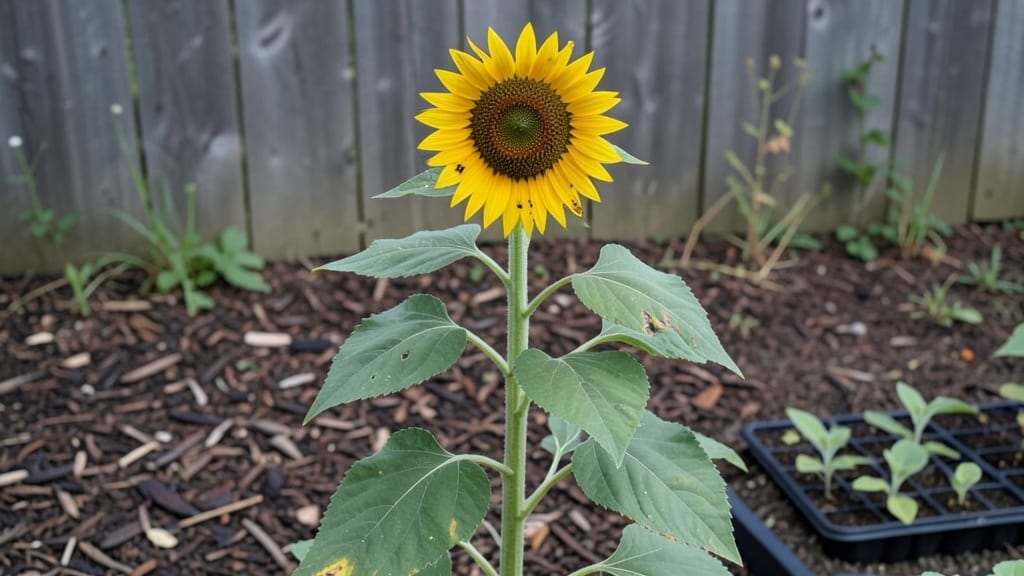
The fastest way to planted sunflower seeds is with a damp paper towel—just 3 to 5 days until you see those first green hooks breaking through. 🌱 I’ve used this method for years, and it’s how I get a head start on my towering sunflowers before the last frost, even when my soil is still frozen.
The secret lies in controlling moisture and warmth without overcomplicating it.
You’ll need only three things: sunflower seeds, a damp paper towel, and a sealed plastic bag. No fancy equipment, no waiting for soil to warm—just a simple setup that mimics the perfect germination conditions.
This method works especially well for heirloom varieties or seeds you’ve saved from last year, giving them the jumpstart they need before transplanting outdoors.
By the time you’re ready to move them to soil, your seedlings will already have strong roots and a few inches of growth. The paper towel keeps them hydrated while preventing the rot that often kills slow-starting seeds.
You’ll know you’ve succeeded when those first velvety leaves unfurl, signaling it’s time to give them sunlight and space to stretch toward the sky.
Best of all, this technique adapts to any season—start indoors in early spring or even late winter for an early summer display. Once your seedlings are hardened off, they’ll thrive in full sun with minimal fuss. Ready to grow sunflowers that outpace the neighbors?
📚 In This Guide
- What you need
- Instructions
- Tips and common mistakes
- Wrapping up and next steps
What you need
- ● Sunflower seeds: 5–10 heirloom or non-GMO seeds (e.g., Mammoth Russian or Autumn Beauty varieties). Choose untreated seeds for best results.
- ● Paper towels: 2–3 thick, white, seed-free paper towels (avoid scented or recycled ones).
- ● Plastic bag or container: A ziplock bag (quart-size) or a small plastic container with a lid (like a takeout box).
- ● Water: Room-temperature tap or filtered water (avoid distilled or overly chlorinated water).
- ○ Spray bottle (optional but helpful): For gentle misting if using a container instead of a bag.
- ● Grow light or sunny windowsill: A 12–16-inch LED grow light or a south-facing window (6+ hours of indirect light daily).
- ● Small pots or egg cartons: For transplanting sprouts after 5–7 days (use 2–3 inch pots with drainage holes).
- ● Seedling soil mix: A light, sterile potting mix (avoid garden soil).
- ● Plant labels: To track seed varieties if testing multiple types.
Step-by-step instructions for fast sunflower sprouts using the paper towel method
Here’s how to coax sunflower seeds into sprouts in just 3-5 days—no soil required.
🌱 Step 1: Prep the Seeds for Maximum Germination
Place 4 sunflower seeds between two damp paper towels—fold them so the seeds are nestled inside but not crushed. The towels should feel damp like a wrung-out sponge, not soaking wet. I like to lay them flat on a plate and cover with a second towel to keep moisture trapped. This mimics the warm, humid conditions seeds love.
Seal the whole setup in a plastic bag or wrap it tightly with plastic wrap. Leave a tiny gap if using a bag—you want airflow but not drying. Place it in a warm spot, like on top of the fridge or near a sunny window. The goal is to keep the towels consistently moist and the seeds at 70-75°F.
💧 Step 2: Monitor Moisture and Watch for Sprouts
Check the seeds every 12-24 hours—they should stay damp but not soggy. If the towels dry out, mist them lightly with water and reseal. You’ll see a tiny white root (radicle) emerge first, usually within 2-3 days. Once you spot this, it’s your signal to keep the seeds in the same cozy conditions.
Don’t move them around once they start sprouting—they’re delicate. If you notice mold (fuzzy gray spots), toss the seeds and start fresh with new ones. Mold means too much moisture or poor airflow. The moment you see the first true leaves unfurling, it’s time for the next step.
☀️ Step 3: Transplant Sprouts into Soil
Fill small pots or seed trays with 1-2 inches of potting mix and make a tiny hole about ½ inch deep with your finger. Gently place each sprout into its own hole, covering the roots but leaving the top of the seed above soil level. Press lightly around the base to secure it.
Water gently until the soil is moist but not waterlogged. Place the pots in a warm, bright spot—sunflowers need 6+ hours of sunlight daily to grow strong. You’ll see the first true leaves (not the initial seed leaves) appear within 3-5 days after transplanting. This is when they’re ready for bigger pots or direct outdoor planting.
⏰ Step 4: Provide Support and Sun for Fast Growth
Once sprouts reach 4-6 inches tall, move them to a larger container or plant them outside after the last frost. Sunflowers need full sun and deep watering 2-3 times weekly. I like to add a small stake or bamboo support when they’re about 1 foot tall—this prevents them from toppling as they grow.
Here’s the thing—sunflowers grow fast, but they need space. Thin seedlings to 12-18 inches apart if planting multiple in one spot. Watch for strong, upright stems and vibrant green leaves. If leaves turn yellow or droop, they’re either overwatered or thirsty—adjust your watering routine accordingly.
Tips & tricks for perfect sunflower sprouts
Here's how to avoid common pitfalls and get the fastest, healthiest sunflower sprouts possible.
The Heat Factor: That 75°F temperature is critical for germination speed. If your kitchen feels cooler, place the sealed setup on top of the fridge or near a sunny window. I've even used a seedling heat mat set to low for faster results—just monitor closely to avoid overheating. The seeds need consistent warmth to break dormancy quickly, so don't place them in drafty areas.
Timing Secret: Those 12-24 hour checks might seem frequent, but they're essential. Sunflower seeds germinate fastest when moisture levels stay perfect. I use a spray bottle to mist the towels between checks rather than soaking them—this maintains the right dampness without risking mold. The moment you see that first white root, you know you're on track for those 3-5 day sprouts!
Transplanting Technique: When moving your sprouts to soil in Step 3, handle them by their leaves rather than the delicate stems. I like to use a small spoon to gently lift each sprout from the paper towel setup and place it in its soil hole. This prevents damage to the emerging roots. The first true leaves (not the initial seed leaves) are your signal that they're ready for this transition—those will appear within 3-5 days after transplanting.
Growth Support Strategy: For those 4-6 inch tall sprouts, I recommend bamboo stakes over metal ones—they're gentler on young stems. Insert the stake when plants reach about 3 inches tall, giving them something to lean on before they get too top-heavy. This prevents the classic sunflower "flop" while they're still developing strong stems. Remember, they'll need that full sun once transplanted to keep growing fast!
Pro Tips for Planted Sunflower Seeds
- Here's how to avoid common pitfalls and get the fastest, healthiest sunflower sprouts possible.
- The Heat Factor: That 75°F temperature is critical for germination speed.
- Timing Secret: Those 12-24 hour checks might seem frequent, but they're essential.
Frequently asked questions
Got questions about growing sunflower seeds with the damp paper towel method?
Here are some of the most common ones—and their answers—to help you get those sprouts growing fast!
How long does it take for sunflower seeds to sprout in a damp paper towel?
Sunflower seeds typically sprout within 3 to 7 days using the damp paper towel method, depending on temperature and seed freshness. Keep them in a warm, dark place (around 70°F or 21°C) for the fastest results. If you don’t see sprouts after a week, try gently breaking the seed coat with a nail clipper.
Can I plant sunflower seeds directly in soil instead of using the paper towel method?
While the paper towel method speeds up germination, you can also plant sunflower seeds directly in soil after soaking them overnight. Dig a hole about 1 inch deep, place 1-2 seeds per spot, and cover with soil. Keep the area moist but not soggy—sunflowers love warmth and sunlight!
Why are my sunflower seeds not sprouting in the damp paper towel?
If your seeds aren’t sprouting, check these common issues:
- Not enough moisture: The paper towel should stay damp but not dripping. Mist it lightly if it feels dry.
- Poor air circulation: Seeds need a little airflow. Place them in a sealed bag with tiny holes or a loosely covered container.
- Cold temperatures: Sunflowers thrive in warmth. Keep them near a heat source (like a sunny windowsill) or use a seedling heat mat.
If all else fails, test a few seeds by gently squeezing them—if they’re hard, they may be old or dead.
How do I transplant sunflower sprouts into soil without damaging them?
Once your sprouts have 1-2 inches of growth and a tiny root system, they’re ready for soil! Fill small pots with well-draining potting mix, make a small hole, and gently place the sprout inside. Press the soil lightly around it, water lightly, and avoid disturbing the roots. Harden off seedlings by placing them in indirect sunlight for a few hours before full sun exposure.
Can I grow sunflower seeds indoors year-round, or do they need sunlight?
Sunflowers love sunlight and need at least 6-8 hours of direct light daily to thrive. While you can start them indoors, they’ll grow leggy without enough light. Use a grow light if natural light is limited, or transplant them outdoors as soon as possible. If growing indoors long-term, choose a sunny windowsill or balcony.
Wrapping up and next steps
Growing sunflower seeds in a damp paper towel is a quick, rewarding, and beginner-friendly way to witness nature’s magic up close! With just a few supplies and patience, you’ll see sprouts emerge in days—proof that even the smallest efforts can yield big results. 🌱✨
Now that you’re ready to try, take the next step:
- Experiment with different sunflower varieties for unique colors and sizes!
- Share your sprouting journey with friends or on social media—inspire others to grow too!
- Once your seedlings are strong, transplant them into soil and watch them thrive outdoors.
Your green thumb is just getting started—keep exploring and growing!