
Succulent
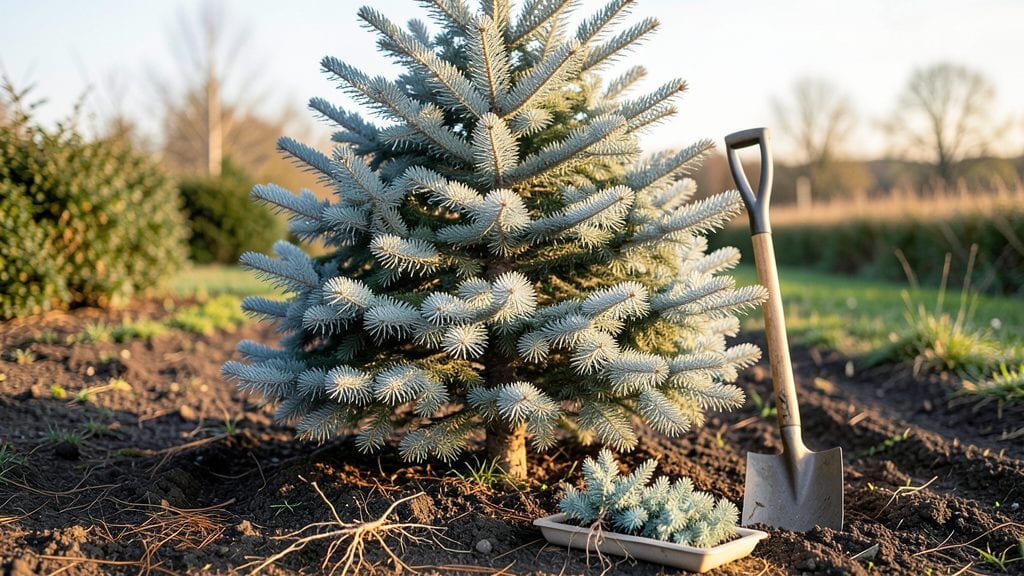
Planting blue spruce trees transforms your yard from ordinary to stunningly lush year-round. 🌿 I’ve planted these striking evergreens in everything from open fields to tight city lots, and the right approach makes all the difference—especially when you want that thick, wind-resistant privacy screen.
The key? Starting with healthy saplings, prepping the soil just right, and giving them the space to grow into their majestic shapes.
You’ll need a few simple supplies: a shovel, mulch, and a sapling with vibrant green needles and no brown patches. Space trees 6 to 10 feet apart for full coverage, and pick a spot with 6+ hours of sunlight—though they’ll tolerate partial shade.
The soil should drain well; if it’s heavy clay, mix in compost or sand to keep roots happy. Wind exposure? No problem—blue spruces handle it better than most evergreens.
Once planted, water deeply the first week to settle the soil, then taper off as roots establish. Within a year, you’ll see those signature blue-green needles filling out, and by year three, your privacy screen will be nearly impenetrable.
The best part? These trees need almost no pruning—they grow into their natural, elegant pyramid shape all on their own.
Fair warning: Blue spruces hate soggy feet, so avoid low spots where water pools. And if you’re planting in a windy area, stake young trees the first winter to prevent lean. With the right care, though, these trees will outlast you—and become the envy of every neighbor on the block.
📚 In This Guide
- What you need
- Instructions
- Tips and common mistakes
- Wrapping up and next steps
What you need
- ● Blue spruce saplings: 3–5 trees (depending on desired height and spacing; 5–10 ft tall for mature screens).
- ● Shovel or spade: Heavy-duty, 18–24" wide for digging holes.
- ● Garden gloves: Durable, waterproof (e.g., nitrile-coated).
- ● Mulch: 3–4 inches of pine bark, wood chips, or shredded leaves (avoid dyed mulch).
- ● Watering can or hose: Adjustable nozzle for gentle watering.
- ○ Soil amendment (optional but helpful): Compost: 1–2 gallons per hole to improve drainage.
- ● Slow-release fertilizer: 10–10–10 NPK ratio (sprinkle lightly around roots).
- ● Tree stakes & ties: For young saplings in windy areas (5–6 ft stakes).
- ● Soil pH test kit: Ensure acidic soil (pH 5.0–6.5)—blue spruces thrive here!
- ● Weed barrier fabric: 3–4 ft wide rolls to suppress weeds under mulch.
- ● Pruning shears: Bypass-style for shaping (post-planting).
- ● Drip irrigation kit: For low-maintenance watering in large screens.
Step-by-Step instructions for planting blue spruce trees
Here's how to plant your evergreen privacy screen with confidence—no green thumb required.
🪴 Step 1: Choose the Perfect Planting Spot
Blue spruce thrives in full sun to partial shade, so pick a location with at least 6 hours of direct sunlight daily. Avoid low spots where water pools after rain—spruce roots rot easily when soggy. I always check the area after a heavy rain to confirm good drainage before planting.
For a privacy screen, space your 4 trees 6-8 feet apart in a straight line. This creates a natural barrier while allowing airflow to prevent disease. Mark the spots with small stakes or spray paint so you don’t lose your layout.
💧 Step 2: Dig Holes and Prepare the Soil
Dig holes twice as wide and just as deep as the root ball of your spruce saplings. Loosen the soil at the bottom with a shovel to encourage root spread. If your soil is heavy clay, mix in 2-3 inches of compost into the hole to improve drainage.
Gently remove each sapling from its container and tease the roots apart if they’re circling. This prevents root-bound stress later. Place the tree in the hole so the top of the root ball sits 1-2 inches above ground level—spruce hate wet roots.
🌱 Step 3: Plant and Backfill Carefully
Fill the hole with native soil, tamping it down lightly in 3-inch layers to eliminate air pockets. Avoid compacting too hard—you want roots to settle naturally. Water deeply after backfilling to help soil settle around the roots.
Form a 2-inch-high berm of soil around the outer edge of the hole to create a watering basin. This keeps irrigation focused where it matters most. Mulch with 2-3 inches of wood chips, keeping it 6 inches away from the trunk to prevent rot.
☀️ Step 4: Water and Protect Newly Planted Trees
Water each tree immediately after planting with 1-2 gallons of water, then repeat every 2-3 days for the first month. Spruce roots need consistent moisture but hate soggy conditions—always check soil moisture before watering.
Stake only if your area gets strong winds. Use 2 stakes per tree, tying the trunk loosely with soft fabric to avoid girdling. Remove stakes after 1 year to let the tree develop natural strength.
✂️ Step 5: Maintain for Long-Term Growth
Prune only to remove dead or broken branches in early spring. Avoid heavy pruning—spruce grow best when left alone. Fertilize lightly in early spring with a balanced evergreen fertilizer if your soil is poor.
Monitor for pests like spider mites or bagworms, which love stressed spruce. A strong, healthy tree rarely needs treatment, but I spray with neem oil at the first sign of trouble. With proper care, your privacy screen will stay lush for decades.
Tips & tricks for planting blue spruce trees
Here's what I've learned after planting my own privacy screen—these tricks will help your blue spruce thrive from day one.
Sunlight Secret: That 6 hours of daily sunlight is non-negotiable for blue spruce health. I test locations by observing how sunlight moves across your yard throughout the day. Morning sun is ideal, but afternoon sun works too—just avoid spots where trees cast shade for most of the day. If you're unsure, use a sun calculator app to track sunlight patterns in your specific yard layout.
Root Health Tip: When you're teasing those circling roots in Step 2, go gently—think of it like untangling headphones, not pulling apart yarn. Spruce roots are delicate, and aggressive handling can cause stress that shows up later as stunted growth. I always work with damp roots to make them more pliable and less prone to damage.
Watering Wisdom: The 1-2 gallons of water you give immediately after planting isn't just about hydration—it's about settling the soil around those roots. I like to water slowly over 10-15 minutes to let the moisture penetrate deeply rather than running off. After the initial watering, I check soil moisture by sticking my finger 2 inches down—if it's dry, it's time to water again.
Mulch Matters: That 2-3 inches of wood chips isn't just decoration—it's insulation. I always use untreated wood chips because treated wood can leach chemicals into the soil. Keep it 6 inches away from the trunk to prevent moisture buildup that can cause rot. Over time, the mulch breaks down and adds organic matter to your soil, giving your spruce a slow-release nutrient boost.
Pro Tips for Planting Blue Spruce
- Here's what I've learned after planting my own privacy screen—these tricks will help your blue spruce thrive from day one.
- Sunlight Secret: That 6 hours of daily sunlight is non-negotiable for blue spruce health.
- Root Health Tip: When you're teasing those circling roots in Step 2, go gently—think of it like untangling headphones, not pulling apart yarn.
Frequently asked questions
Got questions about planting your Picea pungens 'Glauca'? You’re not alone! Here are answers to the most common queries to help you grow a stunning blue spruce privacy screen with confidence.
When is the best time to plant blue spruce trees?
The ideal window is early spring or fall—when temperatures are mild (50–70°F) and soil isn’t frozen or waterlogged. Spring lets roots establish before summer heat, while fall avoids winter stress. Avoid planting in extreme heat or cold!
How far apart should I space blue spruce trees for a privacy screen?
For a dense, mature screen, plant saplings 6–10 feet apart (closer for faster coverage). Mature trees (20+ years) need 12–15 feet of space. Check your local climate—cooler zones may require tighter spacing for quicker growth.
How much water do blue spruce trees need after planting?
Water deeply 2–3 times per week for the first month, then taper to once weekly (more in drought). Mulch 3 inches around the base to retain moisture. Overwatering can suffocate roots—ensure soil drains well!
What pests or diseases should I watch for with blue spruce?
Common issues include spider mites (dry conditions), bagworms (chewing leaves), and root rot (overwatered soil). Inspect needles yearly and treat early with horticultural oil or fungicide. Healthy trees resist pests better!
Can I plant blue spruce in containers instead of the ground?
Yes! Use a large container (15+ gallons) with drainage holes and well-draining soil. Choose dwarf varieties like ‘Montgomery’ for smaller spaces. Repot every 2–3 years and overwinter indoors if temps drop below 10°F.
Wrapping up and next steps
Planting a Blue Spruce is a rewarding project that adds beauty, privacy, and value to your landscape—and you’ve got this! 🌲 From choosing the perfect spot to nurturing your tree for years to come, these five steps make the process simple and stress-free.
Now that you’re armed with the right tools and knowledge, take the next step—mark your calendar, gather your supplies, and dig in! Whether you’re a seasoned gardener or a first-timer, your future privacy screen (and future you) will thank you.
Pro tip: 💡 Snap a photo of your planted Blue Spruce as a reminder of your hard work—and a future "before and after" moment to celebrate!