Shrubs
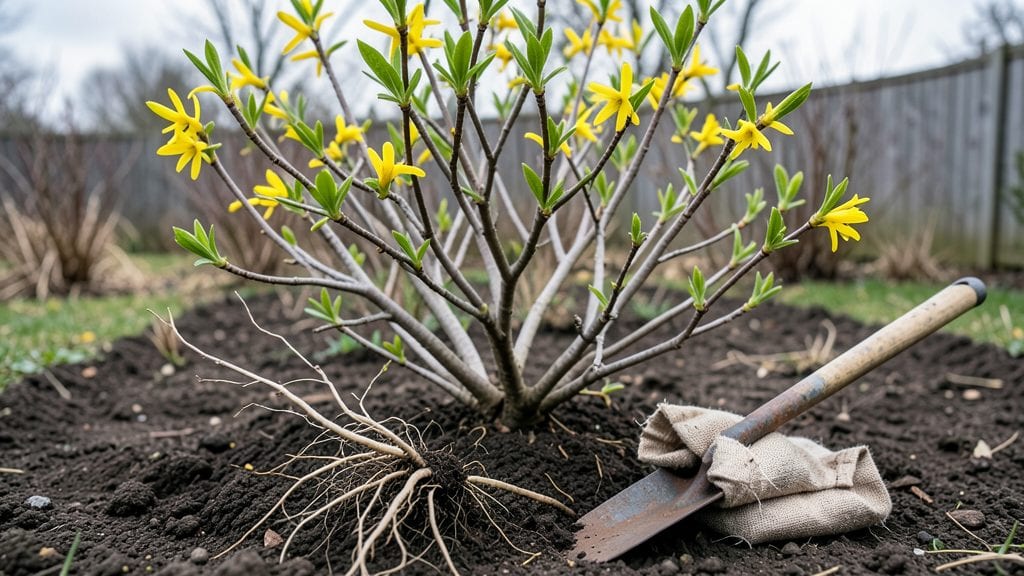
Planting forsythia bushes in early spring or fall gives you a head start on those bright yellow blooms that turn every yard into a springtime highlight. 🌸 I’ve planted mine in both full sun and partial shade, and the key to their success isn’t just the timing—it’s how you prep the soil and where you place them.
Forsythias thrive when they get at least 4-6 hours of sunlight, but they’re forgiving enough to handle a little shade if your yard’s light is spotty.
The secret to happy forsythias starts with the soil—well-draining, slightly acidic, and rich in organic matter. Amend heavy clay with compost or sand, and avoid soggy spots where roots can rot.
Once you’ve picked a sunny spot with good drainage, dig a hole twice as wide as the root ball but no deeper. This gives roots room to spread without sinking too low, which can lead to poor growth or even death.
After planting, water deeply to settle the soil and remove any air pockets around the roots. Mulch with 2-3 inches of shredded bark or leaves to keep moisture in and weeds out, but keep it a few inches away from the trunk.
In their first year, forsythias need regular watering—about 1 inch per week—until they establish strong roots. The payoff? By next spring, you’ll have a bush bursting with cheerful blooms that brighten up even the dullest winter days.
Here’s the thing—forsythias are tough once they’re settled, but they hate being moved after planting. Choose your spot carefully, and you’ll enjoy decades of easy-care color with minimal fuss.
Whether you’re lining a driveway or adding a pop of color near your patio, these bushes deliver big results with almost no effort.
📚 In This Guide
- What you need
- Instructions
- Tips and common mistakes
- Wrapping up and next steps
What you need
- ● Forsythia bushes: 1–3 plants (depending on desired coverage; spacing 6–10 feet apart for mature size). Choose dormant (bare-root) or potted varieties.
- ● Shovel or trowel: A garden shovel for digging holes (12–18 inches wide/deep) or a hand trowel for smaller plants.
- ○ Compost or well-aged manure: 2–3 gallons per plant to enrich soil (optional but recommended for poor soil).
- ● Mulch: 2–3 inches of organic mulch (pine straw, shredded bark, or wood chips) to retain moisture and suppress weeds.
- ● Garden hose or watering can: For thorough watering after planting.
- ● Gloves and knee pads: Protect your hands and joints during digging!
- ● Soil test kit: Check pH (forsythia thrives in slightly acidic to neutral soil, pH 6.0–7.0).
- ● Slow-release fertilizer: 10–10–10 or similar for a nutrient boost at planting.
- ● Stakes and twine: If planting in windy areas, support young stems temporarily.
- ● Pruning shears: Trim any damaged branches before planting.
- ● Planting grid or measuring tape: Ensure proper spacing for mature growth.
Step-by-step instructions for planting forsythia bushes
Here’s the straightforward method I’ve used to establish healthy, vibrant forsythia bushes that burst into color each spring.
🪴 Step 1: Choose and Prepare the Planting Site
Forsythia thrives in full sun to partial shade, so pick a spot with at least 6 hours of sunlight daily—though they tolerate light shade, especially in hotter climates. The soil should drain well, as soggy roots lead to rot. If your soil is heavy clay, mix in 2-3 inches of compost from your list to improve drainage and fertility.
Dig a hole twice as wide as the forsythia’s root ball but only as deep as the container’s root base. Loosen the sides of the hole with a shovel to encourage root spread. I always tap the hole gently to settle the soil—this prevents air pockets that could suffocate new roots.
🌱 Step 2: Remove the Forsythia from Its Container
Gently squeeze the sides of the container to loosen the root ball, then tip it upside down to release the plant. If roots are circling tightly (a common issue with container-grown forsythia), use your fingers to tease them outward. This prevents girdling, which strangles the plant as it matures.
Check the root system for any mushy or dark spots—these indicate rot. Trim away damaged roots with clean pruners, then give the root ball a quick soak in lukewarm water for 10-15 minutes to revive it before planting. This step is especially important if the plant arrived dry or wilted.
💧 Step 3: Plant the Forsythia at the Correct Depth
Place the forsythia in the hole so the top of the root ball sits level with the surrounding soil—never bury the stem or crown, as this causes rot. Fill the hole with native soil, pressing lightly to eliminate air gaps. Water deeply to settle the soil around the roots, then add a 1-inch layer of mulch (like shredded bark) over the root zone to retain moisture and regulate temperature.
Keep the mulch 2-3 inches away from the stem to prevent moisture buildup that invites disease. I like to create a slight mound of soil around the base to encourage water to pool there during irrigation. This ensures roots get hydrated without wasting water.
☀️ Step 4: Water and Protect Newly Planted Forsythia
Water the forsythia deeply every 2-3 days for the first 2 weeks, ensuring the soil stays evenly moist but not soggy. After that, water once a week unless rainfall provides 1 inch of moisture. Forsythia is drought-tolerant once established, but young plants need consistent care to root deeply.
For the first growing season, protect the bush from strong winds and direct afternoon sun, which can stress new foliage. A temporary shade cloth or nearby trees can help. You’ll know it’s thriving when new growth appears within 4-6 weeks—look for bright green leaves and a slight upward push from the soil.
✂️ Step 5: Prune and Maintain for Long-Term Health
Prune forsythia right after flowering (late spring) to shape the bush and encourage dense blooms next year. Cut back one-third of the oldest stems to the ground to rejuvenate the plant. Avoid pruning in fall or winter, as this removes next year’s flower buds.
Forsythia is low-maintenance, but I fertilize lightly in early spring with a balanced 10-10-10 fertilizer to support new growth. Over-fertilizing leads to lush foliage but fewer flowers, so a light application is all that’s needed. Watch for pests like aphids—if you see sticky residue on leaves, spray with neem oil for a natural solution.
Tips & tricks for planting forsythia bushes
These simple yet game-changing tips will help you avoid common pitfalls and give your forsythia the best start for vibrant spring blooms.
Site Selection Secret: If you're torn between sun and shade, remember that forsythia tolerates partial shade better than most sun-loving shrubs. In hot climates, afternoon shade prevents leaf scorch while still allowing those 6 hours of sunlight for optimal flowering. I've planted mine under mature trees that provide dappled shade—watch for the bright green leaves as your cue that the light balance is perfect.
Root Revival Technique: That 10-15 minute soak in lukewarm water is your secret weapon for wilted plants. I've revived many forsythia plants that arrived dry by giving them this quick hydration boost. For extra insurance, add one tablespoon of hydrogen peroxide (3%) to the water to prevent rot and encourage root growth. This step is especially critical if your plant arrived with circling roots from its container.
Mulching Mastery: The 1-inch layer of mulch isn't just decoration—it's your moisture regulator. I like to use shredded hardwood bark because it breaks down slowly while keeping roots cool. The key is maintaining that 2-3 inch gap from the stem; this prevents moisture buildup that can cause crown rot. Pro tip: Refresh the mulch annually to maintain its insulating properties.
Watering Wisdom: Those first 2 weeks are critical for root establishment. I've found that watering deeply every 2-3 days creates stronger root systems than daily light watering. To test moisture, stick your finger 2 inches into the soil**—if it's dry, it's time to water. After the initial period, let the soil dry slightly between waterings to prevent waterlogged roots.
Pro Tips for Planting Forsythia Bushes
- These simple yet game-changing tips will help you avoid common pitfalls and give your forsythia the best start for vibrant spring blooms.
- Site Selection Secret: If you're torn between sun and shade, remember that forsythia tolerates partial shade better than most sun-loving shrubs.
- Root Revival Technique: That 10-15 minute soak in lukewarm water is your secret weapon for wilted plants.
Frequently asked questions
Got questions about planting forsythia bushes?
You’re not alone! Here are answers to the most common queries to help you grow these cheerful shrubs with confidence.
When is the best time to plant forsythia bushes?
Plant forsythia in early spring or fall—when soil temperatures are mild (50–70°F). Avoid extreme heat or freezing conditions, which can stress young roots. Spring planting lets them establish before summer, while fall gives them time to root before winter dormancy. Pro tip: If planting in late fall, add a 2–3 inch layer of mulch to protect roots from cold snaps!
How long does it take for forsythia to bloom after planting?
Forsythia typically blooms within 2–3 years of planting, but established bushes may flower sooner if planted in spring. Patience is key—focus on proper care (watering, sunlight, and soil prep) to encourage healthy growth. Bonus: Once mature, they’ll reward you with vibrant yellow blooms for weeks each spring!
Can forsythia grow in partial shade? What if my yard doesn’t get full sun?
Yes! Forsythia thrives in full sun to partial shade (4–6 hours of sunlight daily). In shadier spots, blooms may be slightly less abundant, but the bush will still grow. Choose a location with at least morning sun for best results. Alternative tip: If your yard is very shaded, consider dwarf varieties like ‘Little Gold’ for smaller spaces.
Are forsythia bushes prone to pests or diseases? How do I prevent issues?
Forsythia is generally low-maintenance, but watch for aphids, scale, or powdery mildew in humid climates. To prevent problems:
- Space plants for good airflow (avoid overcrowding).
- Water at the base (not leaves) to reduce mildew.
- Prune in late winter to remove dead wood and improve circulation.
Can I plant forsythia near my foundation or sidewalk?
Yes, but keep it 3–5 feet away from structures to avoid root competition and potential moisture damage. Forsythia has aggressive roots, so avoid planting near driveways or underground utilities. For small spaces, opt for dwarf varieties or container planting. Design tip: Use them as a privacy screen or border—they’ll add color without overwhelming your landscape!
Wrapping up and next steps
Planting forsythia bushes is a rewarding way to bring vibrant color and cheerful energy to your garden—especially when those bright yellow blooms signal the start of spring! 🌸 With the right location, soil prep, and care, these hardy shrubs thrive with minimal fuss.
Now that you’re equipped with all the tips and tricks, it’s time to roll up your sleeves and transform your outdoor space.
Ready to take the next step? Pick a sunny spot, grab your forsythia plants, and get planting—your future spring blooms will thank you! 🌿 For extra inspiration, check out design ideas or pruning guides to keep your forsythia looking its best year after year.