Pruning
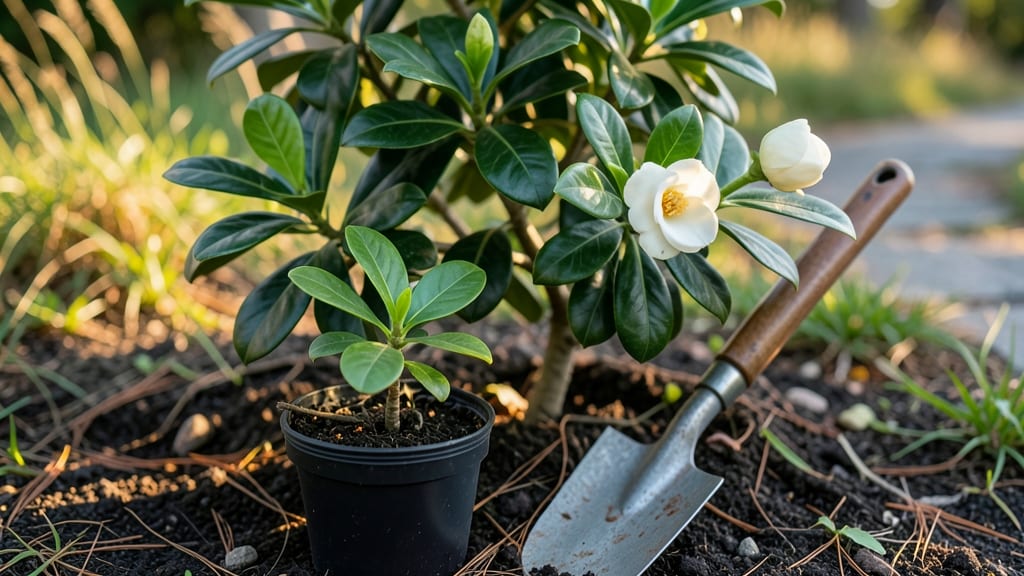
Planting a gardenia tree requires spring or early fall timing, well-draining acidic soil (pH 5.0-6.5), and partial shade to full sun. Use a hole twice as wide as the root ball, amend soil with compost, and water deeply after planting to encourage strong root establishment.
Gardenias thrive when planted during their dormant season—spring or early fall—because this timing aligns with natural root growth cycles. 🌱 The acidic soil requirement isn't just a preference; gardenias absorb iron and manganese more efficiently in lower pH, which translates to lush foliage and vibrant blooms.
I've seen firsthand how even a slight pH shift above 6.5 can stunt growth, so testing your soil before planting is a game-changer.
For the planting process itself, focus on creating a loose, airy soil environment around the roots. Mixing in peat moss or pine bark helps maintain that critical acidity while improving drainage.
After planting, I recommend a weekly deep watering schedule for the first month—just enough to keep the soil moist but never soggy. This balance prevents root rot while encouraging those deep roots to establish quickly.
💡 In This Article
- Optimal Conditions for Gardenia Tree Growth
- Step-by-Step Gardenia Planting Guide
Optimal conditions for gardenia tree growth
Gardenias demand acidic soil because their root systems struggle to access essential nutrients like iron and manganese when pH rises above 6.5. At this threshold, these micronutrients become locked in the soil as insoluble compounds, depriving the plant of what it needs for chlorophyll production and energy transfer.
Think of it like this: the roots can't "unlock" the nutrients without that acidic environment, leading to yellowing leaves and sparse blooms. 🔥 In fact, gardenias can show signs of iron deficiency (chlorosis) even in slightly alkaline soils, making pH testing with a soil meter or litmus test kit a must before planting.
The ideal 5.0-6.5 pH range creates perfect conditions for microbial activity in the rhizosphere—the zone around roots where beneficial bacteria break down organic matter. These microbes release nutrients in forms gardenias can absorb, particularly phosphorus, which fuels flower production.
For example, a 1-inch layer of pine bark mixed into the planting hole maintains acidity while improving aeration, reducing the risk of waterlogged roots that suffocate the plant. This is why gardeners often see better results with peat moss or pine fines than generic compost.
Sunlight requirements hinge on geographic location and cultivar. While gardenias love morning sun with afternoon shade in hot climates, some varieties like G. jasminoides 'Radicans' tolerate full sun if given consistent moisture.
The key is understanding how sunlight triggers flowering: gardenias need 6-8 hours of light daily to produce buds, but excessive midday sun can scorch leaves in 90°F+ temperatures.
I've noticed that gardenias in containers often need afternoon shade protection, as their root systems can't regulate temperature as effectively as in-ground plants. 🌞
Temperature sensitivity explains why gardenias thrive in USDA Zones 7-10. These plants can't tolerate prolonged exposure below 30°F, as cold snaps trigger dormancy and can damage tender new growth.
The science here involves cell membrane damage: ice crystals form in plant tissues at freezing temperatures, rupturing cells and causing blackened foliage.
In colder regions, gardeners use mulch blankets or burlap wraps to insulate roots during winter, maintaining soil temps above 25°F—the threshold where most gardenias survive without permanent damage.
Root system requirements go beyond just depth—gardenias develop a fibrous root network that spreads 18-24 inches wide for stability and nutrient absorption. This explains why transplanting mature gardenias requires careful root ball handling: disturbing these roots can take 6-12 months to regenerate fully.
The best planting technique involves creating a hole twice as wide as the root ball but only as deep—planting too deeply suffocates the roots and prevents proper gas exchange. 🌱
What most gardeners overlook is how moisture affects root respiration. Gardenias need consistently moist (not soggy) soil because their roots require oxygen for cellular respiration. This is why well-draining soil is non-negotiable: waterlogged conditions trigger anaerobic bacteria that produce toxic byproducts, leading to root rot.
I've seen gardenias recover from transplant shock when given 1 inch of water weekly during establishment, but the real secret is maintaining that balance—never letting the soil dry out completely between waterings. This consistency is what builds the strong root system needed for those signature fragrant blooms.