
Pruning
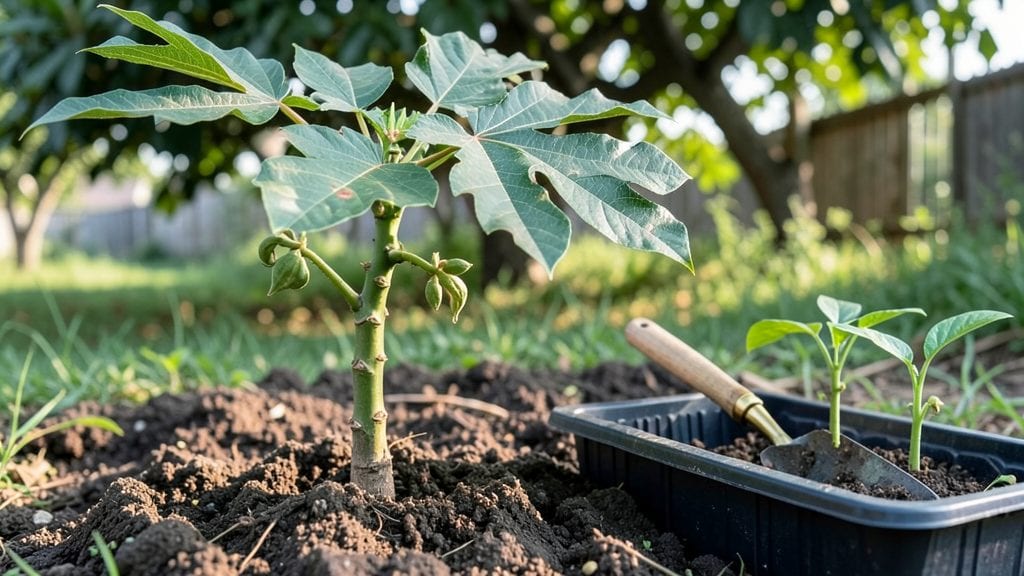
Planting a jackfruit tree in your yard turns exotic fruit dreams into reality—if you nail the basics. 🌿 I’ve grown mine from seed to harvest, and the key isn’t just digging a hole; it’s about soil warmth, frost-free zones, and patience with slow early growth.
Most people rush the prep work, then wonder why their tree struggles.
The right spot makes all the difference: full sun, well-draining soil, and protection from winter chills. You’ll need a 5-gallon container for young trees or a 12-inch-deep hole for bare-root plants, plus a mulch ring to lock in moisture.
Jackfruit trees thrive where temperatures stay above 40°F—so if you’re in Zone 10 or warmer, you’re golden.
Within 2-3 years, you’ll see that first flower cluster, followed by fruit in 4-6 years—if you’ve avoided common pitfalls like overwatering or planting too deep. The payoff? A tree that grows 30-50 feet tall with fruit weighing up to 80 pounds, all from a single seedling.
Works best in coastal or subtropical climates, but container growing extends options. Here’s how to set yours up for success without the guesswork.
📚 In This Guide
- What you need
- Instructions
- Tips and common mistakes
- Wrapping up and next steps
What you need
- ● Jackfruit seeds: 2–5 fresh, viable seeds (harvested from ripe fruit or purchased from a nursery). Pro tip: Soak seeds in warm water for 24 hours to speed up germination! 💡
- ○ High-quality potting mix: 1–2 bags (5–10 gallons) of well-draining, organic mix (e.g., coconut coir + perlite + compost in a 50/30/20 ratio). Optional: Add a handful of worm castings for extra nutrients.
- ● Growing containers: Seedling stage: 1–2 small pots (4–6 inches deep) with drainage holes.
- ● Transplanting: 1 larger pot (12–18 inches deep) or direct-planting space (if in a tropical climate).
- ● Drainage trays: 1–2 shallow trays to catch excess water.
- ● Mulch: 1–2 bags of organic mulch (e.g., wood chips or straw) for moisture retention.
- ● Pruning shears: 1 pair (sterilized with rubbing alcohol).
- ● Trowel or small shovel: 1 for transplanting seedlings.
- ○ Spray bottle: 1 for misting seeds (optional but helpful for humidity).
- ○ pH testing kit: 1 (optional but recommended to check soil pH—jackfruit thrives in 6.0–7.5).
- ● Garden gloves: 1 pair (to protect your hands from sap and soil).
- ● Climate: Jackfruit trees love warmth! Ensure you’re in USDA Zones 10–11 (or grow in containers and bring indoors in cooler months).
- ● Sunlight: A spot with 6+ hours of direct sunlight daily (south-facing windows or outdoor tropical areas).
- ● Water source: Access to filtered or rainwater (avoid chlorinated tap water for seedlings).
- ● Patience: Germination can take 2–4 weeks, and fruit production may take 3–5 years! 🍈🌱
Step-by-step instructions for planting a jackfruit tree
Here’s how I’ve successfully established jackfruit trees—tropical giants that thrive with the right start.
🌱 Step 1: Select and Prepare the Planting Site
The jackfruit tree demands warmth and space—full sun is non-negotiable. Choose a location with at least 8 hours of direct sunlight daily and shelter from strong winds. The tree’s massive root system needs plenty of room, so plant at least 30 feet from structures, sidewalks, or other trees. If growing in containers, ensure the pot is at least 24 inches in diameter and has drainage holes.
Jackfruit trees prefer well-draining, slightly acidic soil (pH 5.5-7.0). If your soil is heavy clay, amend it with 1-2 inches of organic compost mixed into the top 12 inches of soil. Avoid planting in low-lying areas where water pools—root rot is a silent killer for these tropical giants. I always dig a hole twice as wide as the root ball but only as deep as the container it came in.
🪴 Step 2: Plant the Sapling Correctly
Remove the sapling from its container and gently loosen the roots if they’re circling. Place it in the hole so the top of the root ball sits level with the surrounding soil—burying too deep suffocates the trunk, while planting too high leaves roots exposed. Backfill the hole with native soil, tamping lightly to eliminate air pockets but avoiding compaction.
Water deeply right after planting to settle the soil around the roots. You’ll know it’s done when water drains freely from the bottom of the hole. Mulch the base with 2-3 inches of wood chips, keeping it 6 inches away from the trunk to prevent rot. This mulch layer retains moisture and regulates soil temperature—critical for young jackfruit trees in hot climates.
☀️ Step 3: Establish Care Routines for Long-Term Growth
Jackfruit trees are thirsty but hate soggy roots—water deeply once a week during the first year, ensuring the top 12 inches of soil stay moist (not waterlogged). After establishment, they tolerate drought but produce better fruit with consistent moisture. I check soil moisture by sticking my finger 3 inches deep; if it’s dry, it’s time to water.
Fertilize lightly with a balanced, slow-release fertilizer (10-10-10) every 3 months during the growing season. Avoid heavy nitrogen—it promotes leafy growth at the expense of fruit. Prune only to remove dead or crossing branches; jackfruit trees are naturally robust and don’t need frequent trimming. Watch for yellowing leaves, which signal overwatering or nutrient deficiency—adjust care immediately.
Tips & tricks for perfect jackfruit tree planting
These simple yet critical tricks will help you avoid common pitfalls and give your tropical giant the best possible start.
Sunlight Strategy: The 8 hours of direct sunlight mentioned in Step 1 is non-negotiable, but here's what nobody tells you—morning sun is more valuable than afternoon. Position your tree to catch those warm morning rays first, which helps prevent heat stress during peak afternoon temperatures. If you're in a region with intense midday sun, consider providing afternoon shade with a light fabric cover until the tree establishes strong root systems.
Root Ball Inspection: Before planting, give that root ball a thorough examination. Gently separate the roots if they're circling tightly—they should spread out like fingers when loosened. I've seen many gardeners skip this step and end up with stunted growth because the roots couldn't expand properly. For container-grown saplings, soak the root ball in water for 10-15 minutes before planting to ensure it's thoroughly hydrated.
Soil Test Wisdom: While the instructions mention slightly acidic soil (pH 5.5-7.0), here's what I learned the hard way: test your soil first! Many tropical regions have naturally alkaline soils that can stress jackfruit trees. If your pH is above 7.0, amend with elemental sulfur or peat moss before planting. I've seen trees struggle in soils testing at 7.5 when they should have been thriving in the same conditions with proper amendments.
Mulching Mastery: That 2-3 inch layer of wood chips isn't just decoration—it's your tree's insulation system. Apply mulch in a donut shape, keeping it 6 inches away from the trunk as instructed, but extend it out to the full drip line of the tree's canopy. This creates a moisture-retaining zone that matches the tree's future size. Refresh the mulch annually, as it breaks down quickly in tropical climates and loses its effectiveness.
Pro Tips for Planting Jackfruit Tree
- These simple yet critical tricks will help you avoid common pitfalls and give your tropical giant the best possible start.
- Sunlight Strategy: The 8 hours of direct sunlight mentioned in Step 1 is non-negotiable, but here's what nobody tells you—morning sun is more valuable than afternoon.
- Root Ball Inspection: Before planting, give that root ball a thorough examination.
Frequently asked questions
Got questions about growing your own jackfruit tree? You’re not alone! Here are some of the most common queries—plus straightforward answers to help you succeed.
How long does it take for a jackfruit tree to bear fruit?
A young jackfruit tree typically takes 3 to 5 years to produce its first fruit, depending on climate, care, and variety. Patience is key—these trees reward long-term commitment with massive, sweet rewards!
Can I grow a jackfruit tree from seed, or should I buy a sapling?
You can grow from seed, but it’s slower (5+ years to fruit) and may not match the parent tree’s quality. For faster results, opt for a 1- to 2-year-old sapling from a nursery. Pro tip: If using seed, soak it overnight to speed up germination!
What’s the best climate for planting a jackfruit tree?
Jackfruit thrives in tropical or subtropical zones (USDA 10-11), with warm temperatures (70–90°F) and no frost. If you live in cooler areas, grow it in containers and move it indoors during winter.
Why isn’t my jackfruit tree flowering or fruiting?
Common culprits include:
- Young age (under 3 years old)
- Poor pollination (hand-pollinate with a brush if bees are scarce)
- Nutrient deficiencies (test soil for nitrogen, potassium, and zinc)
- Stress (drought, extreme heat, or root damage)
Can I grow jackfruit in a container, or does it need a yard?
Yes! Jackfruit adapts well to large containers (15+ gallons) if you live in cooler climates. Use well-draining soil, fertilize regularly, and ensure the pot gets full sun (6+ hours/day). Just be ready to repot every 2–3 years as it grows.
Wrapping up and next steps
Planting a jackfruit tree is a rewarding journey that brings tropical beauty and delicious fruit to your backyard! 🌱 With the right location, soil, and care, you’ll soon enjoy its lush canopy and sweet harvests.
Whether you’re a beginner or seasoned gardener, these steps make success simple—so roll up your sleeves and get growing!
Ready to take the next step? Start by sourcing a healthy sapling (or seeds) and mark your calendar for planting season. Before you know it, you’ll be savoring homegrown jackfruit straight from your own tree! 🍈