Pruning
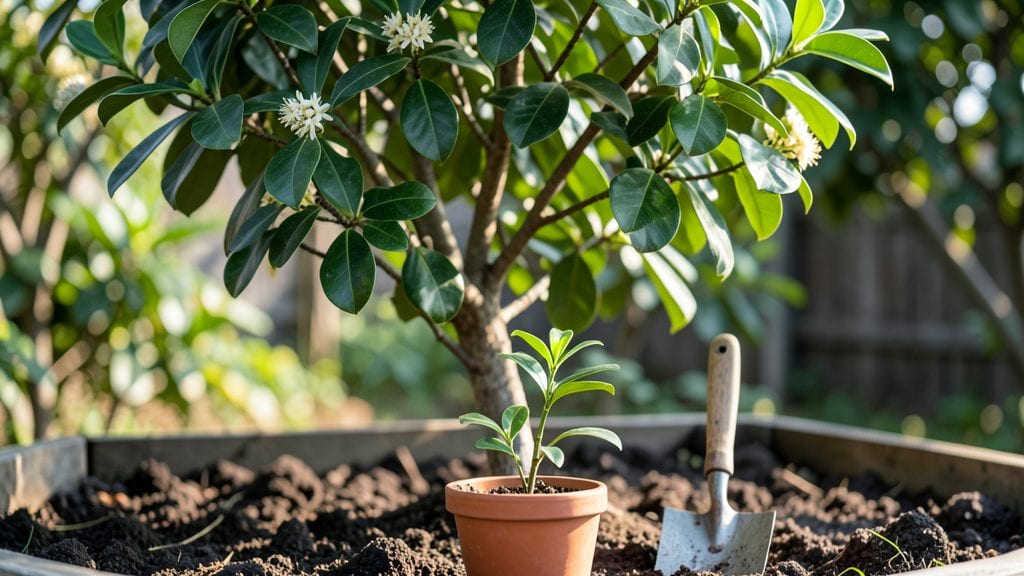
Planting a lychee tree means bringing tropical sweetness to your landscape—if you live in the right zone. 🌿 I planted mine in south Florida last spring, and after two years, we finally got our first harvest.
The key isn’t just digging a hole; it’s matching your climate, soil, and timing to what this finicky fruit actually needs.
You’ll need a spot that mimics the lychee’s native tropical home: full sun, well-draining soil, and protection from wind. Most nurseries sell young trees in 3- or 5-gallon pots, so you can start small.
The planting window is short—late spring or early summer—because lychees hate cold snaps. I learned that the hard way when my first attempt froze in a late-March dip.
Once planted, keep the soil moist but never soggy for the first 6-8 weeks. After that, they’re surprisingly drought-tolerant, but the first few years are critical for root establishment.
With patience, you’ll see glossy new leaves by summer, and if you’re in the right zone, your first fruit in 3-5 years. The smell of ripe lychees in the air? Worth every wait.
For cooler climates, container growing is your best bet—just move it indoors before frost. And if you’re in a marginal zone, choose cold-hardy varieties like ‘Mauritius’ or ‘Kwai Mi.’ The payoff? Fresh fruit that tastes nothing like the canned version. Let’s get those roots in the ground right.
📚 In This Guide
- What you need
- Instructions
- Tips and common mistakes
- Wrapping up and next steps
What you need
- ● Lychee sapling or seeds: 1 healthy, disease-free sapling (age 1-2 years) or 3-5 seeds (germination rate is low, so more seeds = better odds!).
- ● Well-draining soil: 5-10 lbs of a mix of sandy loam (70% topsoil, 20% sand, 10% compost). pH 5.5-6.5 (test kit recommended).
- ● Pot or planting site: For containers: 1 large pot (15+ gallons) with drainage holes.
- ● For ground planting: A hole twice as wide and slightly deeper than the root ball.
- ● Organic fertilizer: 1 lb of balanced 6-6-6 or citrus-specific fertilizer (high in nitrogen for young trees).
- ● Mulch: 2-3 inches of wood chips or pine straw (keeps roots cool and moist).
- ● Pruning tools: 1 pair of sterilized bypass pruners (for clean cuts).
- ● 1 sharp pruning saw (if dealing with thicker branches).
- ● Watering can or hose: With a gentle spray nozzle (lychee trees hate soggy roots!).
- ○ Soil pH test kit: Ensures your soil is lychee-friendly (optional but highly recommended).
- ● Root stimulator: 1 bottle (e.g., Mycorrhizal fungi) to boost root growth.
- ● Shade cloth: 30-50% coverage (protects young trees from harsh sun).
- ● Drip irrigation system: For consistent moisture (great for hot climates).
- ● Grafting tools: If you’re ambitious and want to graft a better variety onto your sapling.
- ● Tree support stake: 1-2 stakes (if planting in windy areas).
Instructions for planting a lychee tree in your climate
Lychees thrive in warm zones—here’s how to plant them for long-term success.
🌱 Step 1: Choose the Right Time and Location
Plant your lychee tree in early spring, when soil temperatures rise above 60°F—this gives roots time to establish before summer heat. Avoid fall planting; lychees hate cold snaps and won’t survive winter dormancy in cooler climates. Pick a spot with full sun exposure (at least 6-8 hours daily) and shelter from strong winds, which can damage delicate branches.
Test your soil’s drainage first—lychees rot in soggy ground. Dig a hole twice as wide as the root ball but no deeper. If your soil drains poorly, mix in 2 inches of coarse sand or gravel at the bottom of the hole. The tree’s roots need oxygen, not waterlogged pockets.
☀️ Step 2: Plant and Mulch for Moisture Retention
Place the tree in the hole so the root flare (where roots meet the trunk) sits 1-2 inches above soil level. This prevents water from pooling around the base. Backfill with native soil, pressing lightly to remove air pockets. Water deeply to settle the soil—you’ll see the ground sink slightly as it absorbs moisture.
Spread 3 inches of organic mulch (like wood chips or pine straw) around the base, keeping it 6 inches away from the trunk. Mulch locks in moisture and regulates soil temperature, which is critical in hot climates. Replenish mulch annually to maintain coverage. Avoid synthetic mulches—they can suffocate roots over time.
⏰ Step 3: Establish Care Routines for First Two Years
Water deeply 2-3 times per week during the first year, letting the soil dry 2-3 inches deep between waterings. Overwatering causes root rot, and lychees are sensitive to soggy conditions. After two years, reduce watering to once a week unless temperatures exceed 90°F, then increase to twice weekly. You’ll know it’s time to water when the topsoil feels dry to the touch.
Fertilize lightly in spring with a balanced citrus fertilizer (10-10-10 ratio) to encourage fruiting. Apply half the recommended dose the first year—the tree’s roots are still delicate. Prune only to remove dead branches or shape the canopy in late winter. Lychees fruit on new growth, so heavy pruning reduces yield. Watch for scale insects or thrips—treat early with horticultural oil to prevent infestations.
Tips & tricks for perfect lychee tree planting
Avoid these common mistakes—and give your lychee tree the best start possible.
The Heat Factor: Those 60°F soil temperatures in Step 1 are non-negotiable. Use a soil thermometer to check before planting—cold soil stresses young roots and slows establishment. I've seen trees planted too early in cooler climates struggle for years. If your spring is late, consider a temporary cold frame to warm the soil faster.
Root Flare Matters: Positioning that 1-2 inch root flare above soil level in Step 2 is more important than you might think. I've buried root flares before (don't make my mistake!) and noticed slower growth and increased disease risk. The flare needs to breathe—it's where critical root growth happens. Use a level to check placement before backfilling.
Mulch Depth Wisdom: The 3 inches of organic mulch in Step 2 should feel like a cozy blanket, not a suffocating layer. Too much mulch can smother the roots, while too little won't regulate temperature properly. I like to think of it as "just enough to cover the soil but not touch the trunk"—that 6-inch clearance is crucial for airflow.
Watering Secret: When checking soil moisture between waterings in Step 3, dig down 2-3 inches—that's where the roots are actively growing. Surface moisture can be misleading. I've learned to water until moisture reaches 3-4 inches deep—this encourages deeper root development that makes your tree more drought-resistant over time.
Pro Tips for Planting Lychee Tree
- Avoid these common mistakes—and give your lychee tree the best start possible.
- The Heat Factor: Those 60°F soil temperatures in Step 1 are non-negotiable.
- Root Flare Matters: Positioning that 1-2 inch root flare above soil level in Step 2 is more important than you might think.
Frequently asked questions
Got questions about growing your own lychee tree? You’re not alone—this exotic fruit demands care, but the rewards are sweet! Below, we tackle the most common concerns to help you plant with confidence.
How long does it take for a lychee tree to bear fruit after planting?
A lychee tree typically takes 3–5 years to bear fruit from seed, but grafted trees (the best choice for faster results) can produce fruit in just 1–3 years. Patience is key—focus on nurturing strong roots and branches first!
What’s the best time of year to plant a lychee tree?
Plant in late winter or early spring (just before new growth begins) for optimal root establishment. Avoid extreme heat or frost—lychees thrive in warm climates (USDA Zones 10–12). If you’re in a cooler zone, grow in containers and overwinter indoors.
Can I grow a lychee tree from a grocery store fruit?
Yes, but expect unpredictable results. Seeds from store-bought lychees may not produce true-to-type fruit (or any fruit at all). For reliable harvests, buy a grafted sapling from a nursery specializing in tropical fruits.
What pests or diseases should I watch for when planting?
Lychee trees are vulnerable to scale insects, lychee borers, and fungal diseases like anthracnose. Prevent issues by:
- Inspecting new plants for pests before bringing them home.
- Pruning for airflow to reduce humidity-related fungi.
- Using neem oil or insecticidal soap as a natural defense.
Do lychee trees need full sun, or can they tolerate partial shade?
Lychees love full sun (6+ hours daily), but young trees can handle morning sun + afternoon shade in hot climates. Too much shade delays fruiting. If growing in a container, place it in the sunniest spot possible!
Wrapping up and next steps
Planting a lychee tree is a rewarding journey that blends patience with tropical beauty—whether you're dreaming of homegrown fruit or simply embracing the lush aesthetics. 🌱 By following the right seasonal steps, selecting the ideal location, and nurturing your tree with care, you’re well on your way to success.
Now that you’ve got the know-how, roll up your sleeves and pick a sunny spot to start your lychee adventure today! Ready to watch it grow? Your future harvest awaits!