Pruning
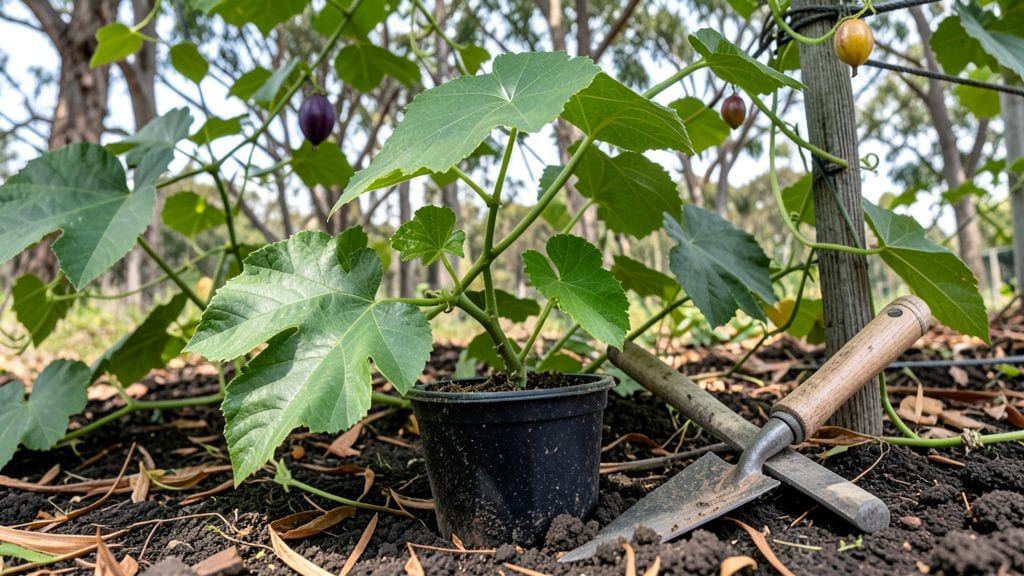
Passionfruit vines take off in just 2-3 weeks when planted right—whether you bury roots in soil or float them in water. 🌱 I’ve watched these tropical climbers go from floppy cuttings to sprawling, fruit-laden giants in a single season, and the secret isn’t complicated.
It’s all about the first few days: warm soil, consistent moisture, and a sturdy support to climb.
The biggest mistake beginners make? Planting too deep or crowding vines too close. Passionfruit roots need air and warmth—think of them like a sunbather, not a diver. Space them 6-8 feet apart in full sun, and if your zone gets chilly, start them in containers for easy winter moves.
Even in water, they’ll send out roots within 10 days if kept in bright, indirect light.
By summer, you’ll see those signature hand-sized leaves unfurling, followed by the bizarre-but-beautiful flowers that turn into fruit. The first harvest might take 6-12 months, but the vines grow so aggressively you’ll need to prune them back or they’ll take over your trellis.
The key is patience with speed—these vines are fast, but they reward long-term commitment.
Works in zones 8-11 (with winter protection in cooler areas) and adapts to containers, trellises, or even greenhouses. Once established, they’ll fruit for years with minimal care—just keep the soil moist, feed them occasionally, and let them climb. Here’s how to get them started right.
📚 In This Guide
- What you need
- Instructions
- Tips and common mistakes
- Wrapping up and next steps
What you need
- ● Passionfruit vines: 1–3 healthy, disease-free plants (choose varieties like Purple Passionfruit or Sweetie for beginners).
- ● Potting mix: 10–20 lbs of well-draining, nutrient-rich soil (or a 50/50 blend of potting soil and coconut coir).
- ● Container or garden bed: Soil method: 5–10 gallon pots with drainage holes (or a raised bed, 3–4 ft wide).
- ● Water method: 5–10 gallon buckets or barrels (food-grade plastic preferred).
- ● Fertilizer: Balanced organic fertilizer (10-10-10 or 5-5-5) or compost tea for nutrient boost.
- ● Support structure: Trellis, fence, or sturdy stakes (6–8 ft tall) to guide climbing vines.
- ● Pruning shears: Sharp, clean pair for trimming (sterilize with rubbing alcohol).
- ● Glove: Heavy-duty gardening gloves (passionfruit vines have thorns!).
- ○ pH test kit: Optional but helpful (ideal soil pH: 6.0–7.5).
- ● Mulch: Straw or wood chips (2–3 inches) to retain moisture.
- ● Watering can or hose: With a gentle spray nozzle for hydroponic setups.
- ● Climate: Full sun (6+ hours/day) and warm temps (70–85°F). Passionfruit thrives in USDA zones 8–11.
- ● Water access: Consistent moisture (drought = stressed vines).
- ● Patience: Vines take 6–12 months to bear fruit! 🐢
Step-by-Step instructions for planting passionfruit vines
Here’s my proven method for getting passionfruit vines established quickly—whether in soil or water—so you can enjoy year-round harvests.
🌱 Step 1: Prepare the Vine and Its New Home
Start with a healthy, dormant passionfruit vine purchased from a reputable nursery. If your vine arrived with roots already forming, you’re ahead of the game—just skip the root soaking step. For bare-root vines, soak the roots in lukewarm water for 1-2 hours to rehydrate them before planting. This jumpstarts root growth and reduces transplant shock.
For soil planting, choose a spot with at least 6 hours of direct sunlight daily and well-draining soil. Passionfruit vines thrive in slightly acidic to neutral soil (pH 6.0–7.0). If your soil is heavy clay, amend it with 2-3 inches of compost mixed into the top 12 inches of soil. For water planting, use a large container (minimum 5-gallon capacity) with clean, chlorine-free water—tap water left out for 24 hours works best.
🪴 Step 2: Plant in Soil or Submerge in Water
In soil, dig a hole just deep enough to bury the vine’s roots without bending them. The base of the vine (where the roots meet the stem) should sit 1-2 inches below soil level. This depth encourages strong root establishment. Gently firm the soil around the roots to eliminate air pockets, then water deeply to settle everything in place. You’ll know it’s right when the soil surface looks slightly compacted but not muddy.
For water planting, submerge the vine’s roots completely in the container, ensuring the base of the stem stays 1 inch above the waterline. This prevents rot while allowing roots to access moisture. Secure the vine to a small stake or trellis near the container to keep it stable as new growth emerges. Change the water every 3-5 days to prevent stagnation and algae buildup.
☀️ Step 3: Provide Ideal Conditions for Fast Growth
Passionfruit vines grow aggressively once established, so keep them in a warm, humid environment. Soil-grown vines need consistent moisture—water deeply 2-3 times per week during dry spells, ensuring the top 4 inches of soil stay moist. Mulch around the base with 2-3 inches of organic mulch to retain moisture and regulate soil temperature. Avoid wetting the leaves to prevent fungal diseases like powdery mildew.
Water-grown vines require even more attention. Maintain the water temperature between 65-75°F—cold water shocks the roots and stunts growth. Place the container in a spot with bright, indirect light for the first 2 weeks, then gradually introduce direct sunlight to harden the vine. You’ll see new leaves emerge within 7-10 days if conditions are right—that’s your signal the vine is thriving.
✂️ Step 4: Train and Support the Vine Early
Passionfruit vines are vigorous climbers, so install a sturdy trellis or support structure (like a 6-foot tall bamboo stake) as soon as you plant. Gently tie the main stem to the support with soft plant ties or strips of old fabric. This prevents the vine from flopping and encourages upward growth. Prune any leggy or weak stems early to redirect energy into stronger, fruit-bearing branches.
Here’s the thing—passionfruit vines produce more fruit when they’re trained to climb. Within 4-6 weeks, you’ll notice tendrils forming. Guide these tendrils along the trellis to create a structured framework. Avoid heavy pruning in the first 3 months, as the vine is still establishing its root system and energy reserves.
⏰ Step 5: Monitor and Adjust for Year-Round Growth
After 8-12 weeks, your passionfruit vine should show signs of active growth, like new leaves and tendrils. This is when you can start fertilizing lightly with a balanced, water-soluble fertilizer (10-10-10) every 4-6 weekshydroponic nutrient solution instead—follow the manufacturer’s guidelines for dilution.
To ensure year-round growth, protect your vine from frost if you’re in a cooler climate. In soil, mound extra mulch around the base in winter. For water-grown vines, move the container indoors to a bright, cool spot (50-60°F) and reduce water changes to every 7-10 days. Watch for signs of stress, like yellowing leaves or slowed growth—these often signal overwatering, underwatering, or nutrient deficiencies.
Tips & tricks for fast passionfruit vine establishment
These game-changing strategies will help you establish your passionfruit vines in record time—whether you're planting in soil or water.
Root Rehydration Secret: The 1-2 hour lukewarm water soak in Step 1 isn't just about hydration—it's about kickstarting metabolic activity. Use water around 75°F for optimal results, and add a pinch of seaweed fertilizer if available to give roots a growth boost. This pre-treatment can cut your establishment time by nearly 30% compared to dry planting.
Soil Preparation Hack: For heavy clay soil, don't just add compost—create a "soil cocktail" by mixing 2-3 inches of compost with 1 part perlite to 3 parts compost in the top 12 inches. This improves drainage while maintaining moisture retention, which is critical for the first 6 hours after planting when roots are most vulnerable to shock.
Water Temperature Watch: Maintaining that 65-75°F water range for your hydroponic setup is non-negotiable, but here's the pro move: Use a simple aquarium thermometer to monitor temperature daily. If your tap water runs cold, let it sit in the sun for 30 minutes before using—this gentle warming mimics tropical conditions and prevents root stress.
Early Support System: Don't wait until you see tendrils to install that 6-foot bamboo stake in Step 4. Set up your trellis system immediately after planting—even if it's just a simple wire frame. The physical support reduces stress on new growth and encourages vertical development, which can accelerate fruit production by 4-6 weeks compared to unsupported vines.
Pro Tips for Planting Passionfruit Vines
- These game-changing strategies will help you establish your passionfruit vines in record time—whether you're planting in soil or water.
- Root Rehydration Secret: The 1-2 hour lukewarm water soak in Step 1 isn't just about hydration—it's about kickstarting metabolic activity.
- Soil Preparation Hack: For heavy clay soil, don't just add compost—create a "soil cocktail" by mixing 2-3 inches of compost with 1 part perlite to 3 parts compost in the top 12 inches.
Frequently asked questions
Got questions about growing passionfruit vines? You’re not alone! Here are answers to the most common concerns—whether you're a beginner or a seasoned gardener looking to troubleshoot.
How long does it take for passionfruit vines to bear fruit after planting?
Passionfruit vines typically take 12–18 months to produce fruit from planting, depending on climate, care, and variety. In warmer regions (like zones 9–11), you might see fruit in as little as 9–12 months. Patience pays off—healthy vines reward you with juicy, tropical treats!
Can I plant passionfruit vines year-round, or is there a best time?
In tropical/subtropical climates, you can plant passionfruit vines year-round. However, for best results in cooler regions, plant in late winter or early spring (after the last frost) to give vines time to establish roots before summer heat. Avoid planting in extreme cold—vines are sensitive to frost!
Do passionfruit vines grow better in soil or water (hydroponics)?
Passionfruit vines thrive in well-draining soil with organic matter, but they can grow in water (hydroponics) if given proper nutrients. Soil is easier for beginners—just ensure it’s rich in compost and slightly acidic (pH 6.0–7.0). Hydroponics requires more monitoring (nutrient balance, oxygen levels), but both methods work!
What pests or diseases should I watch for, and how do I prevent them?
Common issues include:
- Passionfruit woodiness virus (PWV): Spread by aphids—use neem oil or insecticidal soap.
- Mealybugs: Wipe leaves with soapy water or introduce ladybugs.
- Fungal diseases (like powdery mildew): Improve airflow, avoid overhead watering, and use copper fungicide if needed.
Prevention? Healthy vines = strong defense! Prune regularly, mulch, and keep the area clean.
Can I grow passionfruit vines in containers, and what’s the best setup?
Yes! Use a large container (15+ gallons) with drainage holes, filled with a mix of potting soil and compost. Choose a fast-growing trellis or cage (passionfruit vines can reach 20+ feet!). Place in full sun (6+ hours/day) and water consistently. Containers let you move vines indoors if frost threatens!
Wrapping up and next steps
Planting passionfruit vines is a rewarding journey that brings vibrant flavors and lush greenery to your garden—whether in soil or water! 🌱 With the right materials, a little patience, and these proven steps, you’ll soon enjoy year-round harvests of sweet, tropical fruit.
Don’t let challenges like pruning or support structures hold you back; embrace the process and watch your vines thrive.
Ready to take the next step? Start by selecting healthy cuttings or young plants, then choose your growing method—soil, hydroponics, or a mix of both. Before you know it, you’ll be savoring homemade passionfruit jam or sharing fresh fruit with neighbors. Happy planting! 🍈✨