Succulent
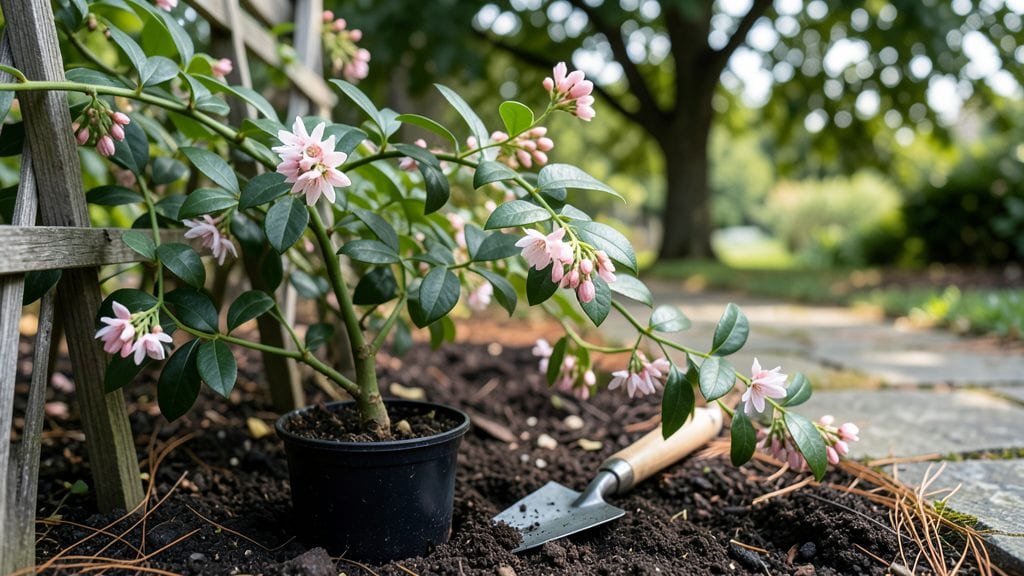
Planting pink jasmine vines brings that intoxicating fragrance to your garden, and I’ve learned the foolproof way to make them thrive. These delicate climbers—like Jasminum polyanthum—need just the right spot to shower your patio or trellis in sweet-scented blooms from spring through fall.
The key? Mimicking their natural woodland habitat with moist, well-draining soil and dappled shade. I’ll show you how to get it right the first time, so you skip the common mistakes that leave vines struggling or stunted.
Start with healthy bare-root cuttings or potted plants, and you’ll need a few simple supplies: a sunny-but-shaded location, a trellis or fence for support, and a mix of compost-rich soil to keep roots happy.
Pink jasmine hates soggy roots, so raised beds or containers with drainage holes work best in wet climates. Plant in early spring or fall, when temperatures are mild—these vines are frost-sensitive, so avoid planting in late summer or winter.
A 12-inch deep hole and spacing them 3–4 feet apart gives them room to climb and spread without crowding.
Once planted, keep the soil consistently moist but never waterlogged—think of it like a sponge, not a swamp. A light mulch layer helps retain moisture and keeps roots cool. Within weeks, you’ll see new growth, and by next spring, those fragrant pink blooms will transform your space.
The secret to year-round blooms? Prune lightly after flowering to encourage bushier growth, and watch as your vine becomes a fragrant, low-maintenance star. Here’s how to set it up for success.
If you live in colder zones (below USDA Zone 7), treat pink jasmine as an annual or overwinter potted plants indoors. In warmer climates, they’ll climb aggressively—so provide sturdy support early.
The payoff? A vine that blooms heavier and longer than store-bought varieties, with that signature jasmine perfume that lingers in the evening air. Let’s get those roots in the ground.
📚 In This Guide
- What you need
- Instructions
- Tips and common mistakes
- Wrapping up and next steps
What you need
- ● Pink jasmine plants: Start with 1–3 healthy Jasminum polyanthum cuttings or nursery-grown plants (choose disease-free, well-rooted specimens).
- ● Well-draining potting mix: 3–5 gallons (for containers) or garden soil amended with compost (1 part compost to 3 parts soil) for in-ground planting.
- ● Support structure: For containers: A trellis, bamboo stake, or obelisk (3–6 ft tall, depending on desired height).
- ● For gardens: A pergola, fence, or arbor (ensure it’s sturdy—jasmine can reach 15–20 ft!).
- ● Slow-release fertilizer: 5–10-5 or 10-10-10 blend (1 tbsp per plant at planting time).
- ● Mulch: Organic mulch (e.g., shredded bark or straw) to retain moisture and suppress weeds.
- ● Gloves (gardening or nitrile, to protect your hands).
- ● Trowel or shovel (for digging holes or transplanting).
- ● Pruning shears (sterilized, for trimming dead or overgrown vines).
- ● Watering can or hose with a gentle spray nozzle.
- ○ pH test kit (optional)—aim for 6.0–7.0 soil pH for optimal growth.
- ○ Spray bottle (optional)—for misting leaves in dry climates.
- ● Sunlight: Partial shade to full sun (6+ hours of indirect light daily; avoid harsh afternoon sun in hot climates).
- ● Climate: Thrives in USDA Zones 7–10 (can be grown in cooler zones with winter protection).
- ● Watering schedule: Keep soil consistently moist but not soggy (jasmine hates "wet feet").
- ● Pruning knowledge: Learn to trim in early spring to encourage bushier growth and more blooms!
Step-by-Step instructions for planting pink jasmine vines
Here's how I plant pink jasmine for lush, fragrant vines that reward you with blooms all year.
Choose the Perfect Planting Location
Pink jasmine thrives in partial shade to full sun, with at least 4-6 hours of sunlight daily. I always pick a spot near a trellis, fence, or arbor where the vine can climb and spread. Avoid areas with harsh afternoon sun—it can scorch the delicate leaves and flowers.
The soil should drain well but retain moisture—jasmine hates soggy roots. If your garden soil is heavy clay, mix in 2-3 inches of compost to improve drainage. Test the spot by digging a small hole: if water pools after 30 minutes, amend the soil further with sand or perlite.
Prepare the Planting Site
Dig a hole twice as wide as the root ball but only as deep as the container it came in. This prevents burying the stem too deeply, which can cause rot. Gently loosen the roots if they’re tightly bound—this encourages them to spread into the surrounding soil.
Place the plant in the hole and backfill with the native soil, pressing lightly to remove air pockets. Water deeply to settle the soil around the roots. I always add a 1-inch layer of mulch (like shredded bark) over the soil surface to conserve moisture and regulate temperature. Keep the mulch 2-3 inches away from the stem to prevent rot.
Provide Support for Climbing Growth
Pink jasmine needs a sturdy trellis, fence, or arbor to climb. Install support before planting so you can train the vine immediately. I use a 5-foot-tall wooden trellis for small gardens or attach a metal lattice to a fence for larger areas.
Once planted, gently weave the main stem around the support structure. As new growth appears, tie the vines loosely with soft plant ties or twine to guide them upward. Avoid tying too tightly—jasmine grows quickly, and constricting the stems can damage them.
Water and Fertilize for Healthy Growth
Water the newly planted jasmine deeply once a week for the first month, ensuring the soil stays evenly moist but not waterlogged. After establishment, reduce watering to every 10-14 days, depending on rainfall. You’ll know it’s time to water when the top 2 inches of soil feel dry to the touch.
Feed the plant with a balanced, slow-release fertilizer (like 10-10-10) in early spring and again in mid-summer. Avoid high-nitrogen fertilizers—they promote leafy growth at the expense of flowers. I also sprinkle a handful of bone meal around the base in spring to encourage blooming.
Prune and Maintain for Year-Round Blooms
Prune jasmine in late winter or early spring before new growth begins. Remove any dead, damaged, or crossing branches to improve airflow and shape the plant. Cut back overgrown vines by one-third to encourage bushier growth and more flowers.
Throughout the year, pinch back new growth to encourage branching and prevent leggy vines. Deadhead spent blooms regularly to promote continuous flowering. I also check for pests like aphids or spider mites—spray with neem oil if you spot any, as jasmine is generally pest-resistant but not immune.
Tips & tricks for planting pink jasmine vines
Planting pink jasmine is easier than you might think, but these simple tricks will help you avoid common pitfalls and ensure your vines thrive for years to come.
Location is Everything: In Step 1, when choosing your planting spot, pay special attention to the morning sun versus afternoon sun. Pink jasmine handles morning sunlight beautifully but can get scorched by intense afternoon rays. If you're unsure about your garden's sun exposure, observe the area for a week before planting—note when shadows move across the space. This will help you determine if the spot gets the ideal 4-6 hours of sunlight without harsh afternoon heat.
Root Care Makes All the Difference: When preparing the planting site in Step 2, don't skip loosening the roots if they're tightly bound. I've seen many gardeners overlook this step, which can lead to poor root establishment. Use your fingers to gently separate any circling roots—this encourages them to spread outward into the surrounding soil. Also, be extra careful with the depth: planting too deep can cause the stem to rot, while planting too shallow leaves the roots exposed. Aim for the same depth as the container it came in.
Support System Strategy: For Step 3, if you're working with limited space, consider using a trellis that can be mounted vertically against a wall. This saves ground space while still providing the climbing support jasmine needs. I've found that attaching a lightweight metal lattice to an existing fence works beautifully for larger gardens. Remember to install your support structure before planting—this allows you to train the vine immediately after planting, which encourages stronger growth patterns.
Watering Wisdom: The watering schedule in Step 4 might seem straightforward, but there's a trick to getting it just right. When checking soil moisture, use your finger to test the top 2 inches—this is where the roots will be looking for water initially. In particularly hot climates, you might need to water every 5-7 days instead of the suggested 10-14 days. Also, water deeply each time rather than giving frequent shallow waterings. This encourages roots to grow deeper, making your jasmine more drought-resistant over time.
Pro Tips for Planting Pink Jasmine
- Planting pink jasmine is easier than you might think, but these simple tricks will help you avoid common pitfalls and ensure your vines thrive for years to come.
- Location is Everything: In Step 1, when choosing your planting spot, pay special attention to the morning sun versus afternoon sun.
- Root Care Makes All the Difference: When preparing the planting site in Step 2, don't skip loosening the roots if they're tightly bound.
Frequently asked questions
Got questions about growing your own fragrant pink jasmine? Here are some of the most common ones—plus expert answers to help you succeed!
When is the best time to plant pink jasmine?
The ideal time to plant pink jasmine is in early spring (after the last frost) or late fall (before the first frost). This gives the roots time to establish before extreme temperatures. If you’re in a mild climate, you can plant year-round—but avoid harsh summer heat or winter freezes.
How much sunlight does pink jasmine need?
Pink jasmine thrives in partial shade to full sun (4–6 hours of sunlight daily). Too much direct sun can scorch the leaves, while too little shade may reduce flowering. If your vine gets intense afternoon sun, provide afternoon shade for the first few weeks to help it acclimate.
Can pink jasmine grow in containers?
Yes! Pink jasmine adapts well to containers, making it perfect for patios or balconies. Use a well-draining pot (at least 12 inches deep) with a mix of potting soil and perlite. Choose a container with drainage holes and prune regularly to control its vigorous growth.
Why isn’t my pink jasmine flowering?
Pink jasmine may skip blooms due to over-fertilizing, poor sunlight, or lack of pruning. Ensure it gets balanced fertilizer (low in nitrogen) in spring, prune leggy growth, and provide consistent moisture. If it’s still struggling, check for pests like spider mites, which can stress the plant.
How do I prune pink jasmine for more blooms?
Prune in late winter or early spring to shape the vine and encourage flowering. Cut back overly long stems by 1/3 and remove dead or weak growth. For container plants, trim regularly to prevent overcrowding. Pro tip: Deadhead spent blooms to redirect energy into new flowers!
Wrapping up and next steps
Planting pink jasmine is a rewarding experience that brings year-round fragrance and beauty to your garden. With the right soil, sunlight, and care, these fragrant climbers will thrive and fill your space with sweet blooms.
Whether you're a seasoned gardener or just starting, the key is patience and consistency—your efforts will soon be rewarded with a stunning, aromatic display.
Ready to transform your outdoor (or indoor!) space? Start by gathering your supplies and choose a sunny spot for your pink jasmine. Then, dig in and enjoy the journey—your fragrant haven is just a few steps away! 🌸✨