Transplanting
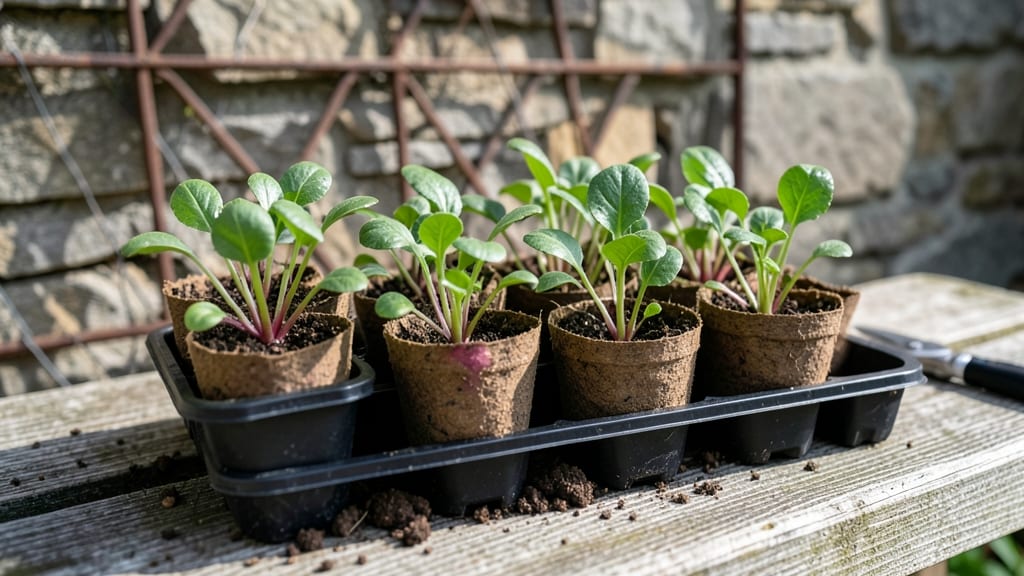
Planting radish seedlings the right way means fast roots that outpace the competition—no more leggy, struggling plants that bolt before they even get established.
I learned the hard way that radishes hate being transplanted, but with the right soil prep and gentle handling, you can get them growing like they’re already in their forever home.
The secret isn’t just sticking them in the ground; it’s about mimicking their natural conditions so they take off in 7-10 days instead of weeks.
Start with loose, well-draining soil—radishes despise soggy roots, and compacted dirt will slow them down. Mix in a handful of compost for nutrients, and if your soil is heavy clay, add some sand or coconut coir to improve drainage.
Space seedlings 1-2 inches apart in rows 12-18 inches apart, and plant them just deep enough so the soil covers the roots but leaves the top leaves exposed. Water gently but thoroughly right after planting to settle the soil around their delicate roots.
Once they’re in the ground, keep the soil consistently moist but never soggy—radishes need steady water to grow crisp, sweet roots. They thrive in full sun (6+ hours daily), so choose a spot where they won’t get shaded out by taller plants.
In just 3-4 weeks, you’ll see those first bright pink or red radishes popping up, and if you time it right, you can have multiple harvests before the heat sets in.
Here’s where most people mess up: overcrowding or letting the soil dry out. Radishes grow fast, but they won’t wait around for you—they’ll bolt or split if conditions aren’t perfect.
Stick to the spacing, water regularly, and harvest before they get too big, or you’ll end up with tough, woody roots. With this method, you’ll go from seedlings to table in less than a month, and that’s a harvest worth repeating.
📚 In This Guide
- What you need
- Instructions
- Tips and common mistakes
- Wrapping up and next steps
What you need
- ● Radish seedlings (6–8 weeks old) – Choose fast-maturing varieties (e.g., 'Cherry Belle' or 'French Breakfast') for quick harvests.
- ● Well-draining soil – Loamy or sandy soil (pH 6.0–7.0) enriched with compost (mix 2–3 inches into the top 6 inches of soil).
- ● Fertilizer – Balanced organic fertilizer (5-5-5 or 10-10-10) or compost tea (1 tbsp per gallon of water).
- ● Watering can or hose with a gentle spray nozzle – Avoid disturbing seedlings.
- ● Garden trowel or transplanting spade – For digging small, precise holes (2–3 inches deep).
- ○ Gloves (optional but recommended) – Protects hands from soil and sharp seedling roots.
- ● Mulch (straw or shredded leaves) – 1–2 inches to retain moisture and suppress weeds.
- ● Row marker or sticks – To space seedlings 1–2 inches apart (or 3–4 inches for larger varieties).
- ● Sunlight – Full sun (6+ hours/day) or partial shade (4–6 hours for cooler climates).
- ● Temperature – Ideal planting range: 45–80°F (7–27°C). Avoid planting when soil temps exceed 80°F.
- ● Water source nearby – Keep soil consistently moist (not soggy) for 1–2 weeks post-transplant.
- ○ Pest control (optional) – Row covers or neem oil spray to deter flea beetles or cabbage worms.
Step-by-Step instructions for planting radish seedlings
Here's how to get your seedlings into the ground quickly and keep them thriving.
Prepare the Planting Site
Radishes love loose, well-draining soil with plenty of organic matter. Work the top 6 inches of soil with a garden fork or tiller to break up any compacted areas. If your soil feels heavy or clay-like, mix in 1-2 inches of compost or aged manure to improve drainage and fertility. Radishes are fast growers, so they don't need rich soil, but they do need soil that lets their roots spread easily.
Choose a spot that gets full sun—at least 6 hours of direct sunlight daily. Radishes bolt (go to seed) quickly in hot weather, so if you're planting in late spring or summer, pick a location that gets morning sun and afternoon shade, especially in warmer climates. Clear the area of weeds or debris to give your seedlings room to grow without competition.
Harden Off Seedlings Before Planting
If your seedlings have been growing indoors or in a protected environment, they need time to adjust to outdoor conditions. Start hardening them off 5-7 days before planting by placing them outside in a sheltered spot for 1-2 hours the first day. Gradually increase their time outside over the week, ending with a full day in the sun and wind. This helps prevent transplant shock and ensures they adjust smoothly to their new home.
Watch for signs of stress like wilting or yellowing leaves. If you notice these, move the seedlings back to a shadier spot for a day or two before trying again. Hardened-off seedlings will have sturdy stems and bright green leaves, ready to handle the garden's conditions.
Plant Seedlings at the Right Depth and Spacing
Dig small holes ½ inch deeper than the seedlings' root balls to encourage root growth downward. Space seedlings 1-2 inches apart in rows that are 12-18 inches apart. Radishes grow quickly, so don't overcrowd them—this prevents disease and ensures each plant gets enough nutrients. Gently remove the seedlings from their containers, loosen the roots if they're tangled, and place them in the holes.
Cover the roots with soil and press lightly around the base to secure the seedlings. Water gently but thoroughly right after planting to help settle the soil and eliminate air pockets around the roots. Avoid wetting the leaves to prevent fungal diseases. You'll see the soil around the base settle slightly as you water, which is a good sign the roots are making contact with the moist earth.
Water and Mulch for Fast Growth
Keep the soil consistently moist but not soggy for the first 2 weeks after planting. Radishes grow best when the soil stays evenly damp, especially during their early stages. Water deeply once or twice a week, depending on rainfall, until the top inch of soil feels dry. Use a watering can with a gentle spray or a soaker hose to avoid disturbing the soil around the seedlings.
Apply a 1-inch layer of mulch around the base of the plants, keeping it 2 inches away from the stems to prevent rot. Mulch helps retain moisture, suppresses weeds, and keeps the soil temperature stable. Straw or shredded leaves work well for radishes. After mulching, give the plants a light watering to settle everything in place.
Monitor and Maintain for a Bountiful Harvest
Check your radishes regularly for signs of pests like flea beetles or aphids. If you spot any, remove them by hand or treat with an organic insecticide like neem oil. Radishes grow quickly, so you'll see visible roots pushing through the soil in as little as 3 weeks. Harvest when the roots reach the size you prefer—most varieties are ready in 4-6 weeks. Pull them gently but firmly from the soil to avoid damaging nearby plants.
To encourage continuous growth, succession plant radishes every 2 weeks throughout the growing season. This ensures you have a steady supply without overcrowding. Keep an eye on the weather—radishes bolt in heat, so if temperatures rise above 75°F, opt for faster-maturing varieties or provide afternoon shade. With these steps, you'll have a thriving radish patch in no time.
Tips & tricks for planting radish seedlings without transplant shock
These simple yet powerful tips will help your radish seedlings establish quickly and grow into robust plants with minimal stress.
Soil Prep Secret: In Step 1, don't just break up the top 6 inches of soil—focus on creating a loose, crumbly texture that mimics the seed-starting mix your seedlings grew in. If your soil is particularly dense, work in an extra half-inch of compost beyond the recommended 1-2 inches. This extra effort prevents root constriction as your radishes grow their fast roots. Trust me on this: the first 2 weeks after planting are when roots establish their foundation, and loose soil makes all the difference.
Harden Off Like a Pro: During the 5-7 day hardening process in Step 2, I've found that gradually increasing sunlight exposure is more important than simply extending time outside. Start with morning sun only, then gradually move to afternoon sun over the week. This mimics natural light patterns and prevents the shock that comes from sudden full-sun exposure. Watch for those sturdy stems and bright green leaves—they're your sign that the seedlings are ready for planting.
Planting Depth Matters: When you're planting those seedlings at the recommended ½ inch deeper than their root balls in Step 3, make sure the top of the root ball sits just below soil level. This encourages roots to grow downward rather than circling at the surface, which can lead to stunted growth. A good trick is to press your finger into the soil around the base—it should feel firm but not compacted, creating a stable environment for those fast-growing roots.
Watering Wisdom: The first 2 weeks after planting are critical for moisture control in Step 4. I've learned the hard way that radishes hate soggy soil—it causes rot and slows growth. Instead of watering on a strict schedule, check the top inch of soil daily. If it feels dry to the touch, that's your cue to water deeply with your gentle spray or soaker hose. This method keeps the soil consistently moist without waterlogging, which is exactly what those fast-growing radishes need to thrive.
Pro Tips for Planting Radish Seedlings
- These simple yet powerful tips will help your radish seedlings establish quickly and grow into robust plants with minimal stress.
- Soil Prep Secret: In Step 1, don't just break up the top 6 inches of soil—focus on creating a loose, crumbly texture that mimics the seed-starting mix your seedlings grew in.
- Harden Off Like a Pro: During the 5-7 day hardening process in Step 2, I've found that gradually increasing sunlight exposure is more important than simply extending time outside.
Frequently asked questions
Got questions about planting radish seedlings? You’re not alone—this fast-growing crop has a few quirks! Here are answers to the most common concerns to help you grow thriving radishes without stress.
When is the best time to plant radish seedlings?
Radishes thrive in cool weather, so aim for early spring (as soon as soil reaches 40°F (4°C)) or late summer/fall (6–8 weeks before your first frost). Avoid hot summers—they bolt quickly! For a continuous harvest, stagger plantings every 2 weeks.
Can I plant radish seedlings directly into the garden, or should I start indoors?
Radishes hate transplant shock, so skip starting indoors. Plant seeds ½ inch deep directly in the garden for the best results. If you’re repurposing seedlings (e.g., from a failed batch), harden them for 3–5 days and plant shallowly to minimize stress.
Why are my radish seedlings turning yellow or wilting after planting?
Yellowing or wilting often signals overcrowding or drought stress. Thin seedlings to 1–2 inches apart (final spacing: 2–3 inches) and keep soil consistently moist (not soggy). If leaves curl, check for flea beetles—cover seedlings with row fabric until established.
What can I plant with radishes to improve growth?
Radishes are great companions! Pair them with:
- Carrots (they deter pests)
- Lettuce (shares space well)
- Spinach (similar cool-season needs)
How long until radishes are ready to harvest after planting seedlings?
Most radish varieties mature in 25–30 days from seed, but seedlings may take 3–5 extra days to establish. Check soil for ½–1 inch roots (depending on variety) or follow package guidelines. Harvest before they get woody—overgrown radishes taste bitter!
Wrapping up and next steps
Planting radish seedlings the right way ensures a fast, healthy harvest—no transplant shock required! 🌱 With the right soil prep, spacing, and care, you’ll enjoy crisp, flavorful radishes in weeks. Remember, consistency is key: keep the soil moist, protect from pests, and watch your garden thrive.
Ready to grow your confidence (and your radishes)? Start by marking your next planting date—whether it’s a bold spring batch or a late-summer surprise. Happy gardening!