Trees
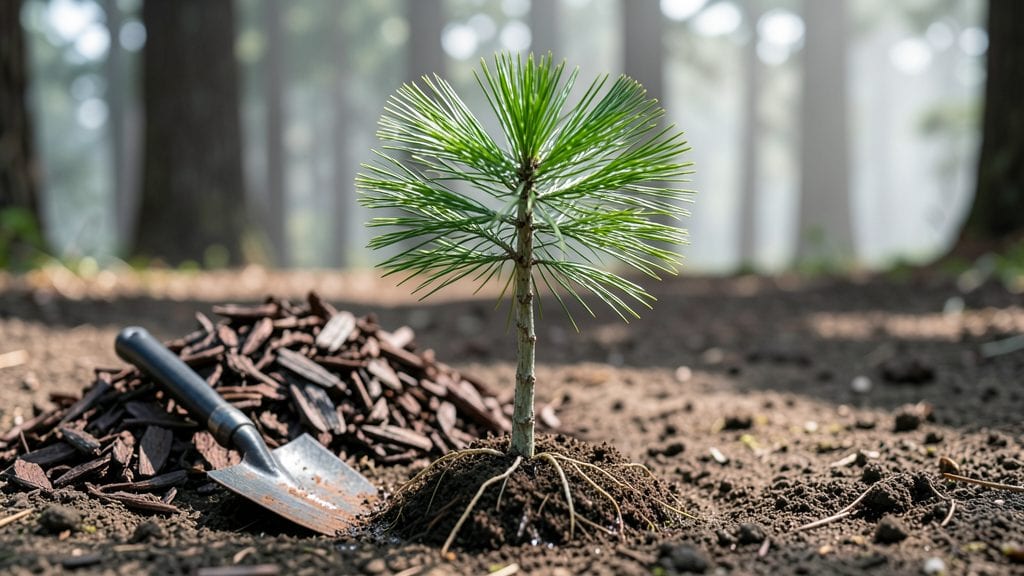
Planting redwood trees in your backyard turns your property into a living monument. 🌿 These coastal giants thrive beyond their native foggy shores when given the right conditions—and I’ve learned the exact steps that make the difference between a struggling sapling and a thriving 60-foot wonder.
The key starts with soil that drains like a sandy beach, not a waterlogged swamp, and a spot where they’ll stretch their roots without fighting for space.
You’ll need a sunny location with at least 8 hours of light, a hole twice as wide as the root ball, and a shovel that can handle the job. Redwoods hate transplant shock, so we’re talking bare-root planting in winter when the tree is dormant.
My first attempt failed because I planted too deep—now I measure twice, dig once, and keep the graft union above soil level. The payoff? A tree that grows 3-4 feet per year once established.
After planting, water deeply to settle the soil, then mulch heavily to mimic their foggy forest home. The first year is critical—redwoods need consistent moisture but will rot if soggy.
By summer, you’ll see new growth that smells like pine and promises decades of shade. Just don’t expect instant giants; patience here means watching your backyard transform over time.
Works best in zones 7-10, but with extra care, they’ll adapt to cooler climates too. The real secret? Treating them like the living sculptures they are—with space, sunlight, and respect for their coastal roots. Let’s get those trees in the ground right.
📚 In This Guide
- What you need
- Instructions
- Tips and common mistakes
- Wrapping up and next steps
What you need
- ● Redwood seedlings or saplings: 1–3 seedlings (size depends on space: 1–3 ft tall for young trees, 6+ ft for mature transplants).
- ● Pro tip: Choose coastal redwoods (Sequoia sempervirens) or giant redwoods (Sequoiadendron giganteum) based on your climate.
- ● Planting site: Well-draining, slightly acidic soil (pH 5.5–7.0).
- ● Full sun to partial shade (6+ hours of sunlight daily).
- ● Space: At least 20–30 ft apart (redwoods grow tall and wide!).
- ● Tools: Shovel or trowel (for digging holes).
- ● Garden fork (to loosen soil).
- ● Wheelbarrow (for mixing soil amendments).
- ● Pruners (for trimming dead branches).
- ● Measuring tape (to ensure proper spacing).
- ● Required: Compost or well-rotted manure (1–2 gallons per hole).
- ● Peat moss or pine bark fines (to improve drainage and acidity).
- ○ Optional (for faster growth): Slow-release fertilizer (balanced 10-10-10 or organic options like fish emulsion).
- ● Mulch (3–4 inches of wood chips or straw to retain moisture).
- ● Hose with a gentle spray nozzle (or a watering can for seedlings).
- ○ Drip irrigation system (optional but helpful) for consistent moisture.
- ● Pro tip: Redwoods love moisture—aim for 1–2 inches of water per week, especially in the first year!
- ● Tree guards or wire mesh (to protect young saplings from deer or rodents).
- ● Garden gloves (for handling soil and sharp tools).
- ● Sunscreen and hat (if planting in hot, sunny conditions!).
Step-by-Step instructions for planting redwood trees
Here's how to give these towering beauties the perfect start in your yard.
🪴 Step 1: Choose the Right Location and Prepare the Site
Redwoods need space—at least 30 feet between trees—and thrive in moist, well-draining soil with partial shade to full sun. I dig a hole twice as wide as the root ball but only as deep as the container's bottom. This prevents burying the trunk too deeply, which can rot it over time.
Test your soil's moisture-holding ability by digging a small pit nearby. If water drains away within an hour, your soil is too sandy. Amend it with 2-3 inches of compost mixed into the bottom of the hole to improve water retention. Redwoods hate soggy roots, but they also need consistent moisture, so aim for soil that drains like a well-wrung sponge.
🌱 Step 2: Remove the Tree from Its Container and Inspect Roots
Gently squeeze the sides of the container to loosen the root ball before tipping it out. If roots are circling tightly, I use my fingers to tease them outward—this prevents future girdling. For bare-root seedlings, soak the roots in cool water for 1-2 hours before planting to revive them.
Check for any damaged or mushy roots and trim those with clean pruners. Healthy roots should be firm and white or light tan. If the root ball feels dry, give it a quick soak in water while you finish preparing the hole. Never force a dry root ball into wet soil—it shocks the tree and slows establishment.
☀️ Step 3: Plant at the Correct Depth and Backfill
Place the tree in the hole so the top of the root ball sits 1-2 inches above ground level. Redwoods settle over time, so this slight elevation prevents the trunk from burying and rotting. Fill the hole halfway with native soil, then water deeply to remove air pockets.
As you backfill, gently firm the soil around the roots with your hands—don’t compact it, just settle it. For container-grown trees, mix 1 part compost into the backfill soil to ease the transition. Leave a 3-inch deep watering basin around the base to hold irrigation. Mulch heavily with 3-4 inches of wood chips, keeping it 6 inches away from the trunk to prevent rot.
💧 Step 4: Water Deeply and Establish a Care Routine
Give the newly planted tree a thorough soaking—10-15 gallons for a 6-foot tree—to encourage roots to spread into the surrounding soil. Water slowly to avoid runoff, and let the soil absorb the moisture completely. After watering, the top inch should feel damp but not soggy.
For the first 2-3 months, water weekly unless rainfall provides 1 inch of moisture. Redwoods need consistent moisture but hate standing water. Check soil moisture by sticking your finger 2 inches down—if it feels dry, water again. Once established, they tolerate brief dry spells, but young trees need regular care to thrive.
⏰ Step 5: Protect and Monitor Through the First Year
Stake the tree only if necessary—young redwoods have strong root systems and usually don’t need support. If you do stake, use 2 flexible stakes tied loosely with soft fabric strips to avoid girdling the trunk. Remove stakes after 6-12 months to encourage natural strength.
Watch for signs of stress like yellowing needles or wilting. If you see these, adjust watering or check for pests like aphids. Redwoods are generally pest-resistant, but young trees can attract spider mites in dry conditions. Spray with water or use neem oil if needed. With proper care, your coastal giant will grow 2-3 feet per year and provide shade for generations.
Tips & tricks for planting redwood trees
These simple yet crucial tips will help your redwoods thrive from day one—don't skip these!
The Root Ball Rescue: If you notice roots circling tightly in Step 2, don't just cut them—tease them outward with your fingers. This prevents girdling, a common issue that can strangle your tree's growth. For bare-root seedlings, that 1-2 hour soak in cool water is non-negotiable—it revives dormant roots and gives them a fighting chance right from planting.
Soil Science Secret: When testing your soil's moisture in Step 1, think "well-wrung sponge"—that's the ideal texture. If your soil drains too fast, those 2-3 inches of compost in the bottom of the hole become your moisture anchor. Pro tip: Mix in some peat moss if you're in a particularly sandy area—it holds water like a sponge without suffocating roots.
Watering Wisdom: That 10-15 gallon soaking in Step 4 isn't just about quantity—it's about slow delivery. Use a hose with a gentle flow or a watering can to avoid runoff. The goal is to saturate the soil 2 inches down, not create a puddle. And remember: the 2-inch soil check in Step 4 is your moisture gauge—if it's dry at that depth, water again.
Mulch Magic: The 3-4 inches of wood chips in Step 3 aren't just for looks—they regulate soil temperature and retain moisture. But here's the trick: keep that mulch 6 inches away from the trunk. Too close and you'll create a rot trap. Think of it like a donut around your tree's base, not a blanket.
Pro Tips for Planting Redwood Trees
- These simple yet crucial tips will help your redwoods thrive from day one—don't skip these!
- The Root Ball Rescue: If you notice roots circling tightly in Step 2, don't just cut them—tease them outward with your fingers.
- Soil Science Secret: When testing your soil's moisture in Step 1, think "well-wrung sponge"—that's the ideal texture.
Frequently asked questions
Got questions about planting redwood trees?
Here are answers to the most common ones—so you can grow these majestic giants with confidence!
What’s the best time of year to plant redwood trees?
Plant redwoods in early spring or fall when temperatures are mild (50–70°F). Avoid extreme heat or frost, as young roots are sensitive. Coastal redwoods thrive in moist conditions, so spring planting aligns with natural rainfall in many regions. Pro tip: If planting in summer, water deeply every 2–3 days to prevent stress!
How far apart should I space redwood trees?
Space redwoods 30–50 feet apart for mature growth, as they can reach 300+ feet tall! If planting as a hedge or windbreak, reduce spacing to 15–20 feet. Remember: Redwoods have expansive root systems—crowding leads to competition for water and nutrients. Troubleshoot: Thin seedlings if overcrowding occurs.
Do redwood trees need full sun or shade?
Redwoods prefer partial shade to full sun, especially in hot climates. Coastal redwoods (Sequoia sempervirens) tolerate shade better than giant redwoods (Sequoiadendron giganteum). Young trees benefit from morning sun and afternoon shade to retain moisture. Watch out: Avoid planting in deep shade—growth slows dramatically.
Can I grow redwood trees in containers or small yards?
Redwoods are not ideal for containers—they need deep, well-draining soil and room for roots (minimum 5-gallon pots for young seedlings, but even then, they’ll outgrow them quickly). For small yards, consider dwarf varieties like ‘Pendulum’ or ‘Golden Dawn’ (max height: 20–30 feet). Alternative: Plant in raised beds if space is limited!
What pests or diseases should I watch for?
Redwoods are disease-resistant but may face aphids, spider mites, or bark beetles. Yellowing needles often signal root rot (from overwatering) or fungal issues. Prevent pests: Prune regularly to improve airflow, and avoid wounding bark. Fix it: Use neem oil for insects or adjust watering if leaves look soggy.
How long does it take for redwood trees to mature?
Redwoods grow slowly but steadily—expect 1–2 feet per year in ideal conditions. Full maturity (300+ feet) takes 500–1,000+ years! However, you’ll see noticeable height gains in 10–20 years. Fun fact: Some redwoods in California are over 2,000 years old!
Wrapping up and next steps
Planting redwood trees isn’t just about adding beauty to your landscape—it’s a chance to nurture living legacies that will thrive for generations. 🌲 From choosing the right soil to providing consistent care, every step brings you closer to growing these coastal giants in your own backyard.
Whether you’re a seasoned gardener or a curious beginner, the rewards—shade, wildlife support, and timeless elegance—are well worth the effort.
Ready to take the next step? Start small—research local nurseries, sketch a planting plan, or even volunteer with a redwood restoration project to deepen your connection to these majestic trees. Your future redwood awaits! 🌱